Why water is moving from footnote to headline in data centres
Hyperscale campuses, ageing chillers, and the myth of liquid cooling without water.

As Singapore woos high-value semiconductor firms and keeps building data centres, water is no longer a footnote in the conversation.
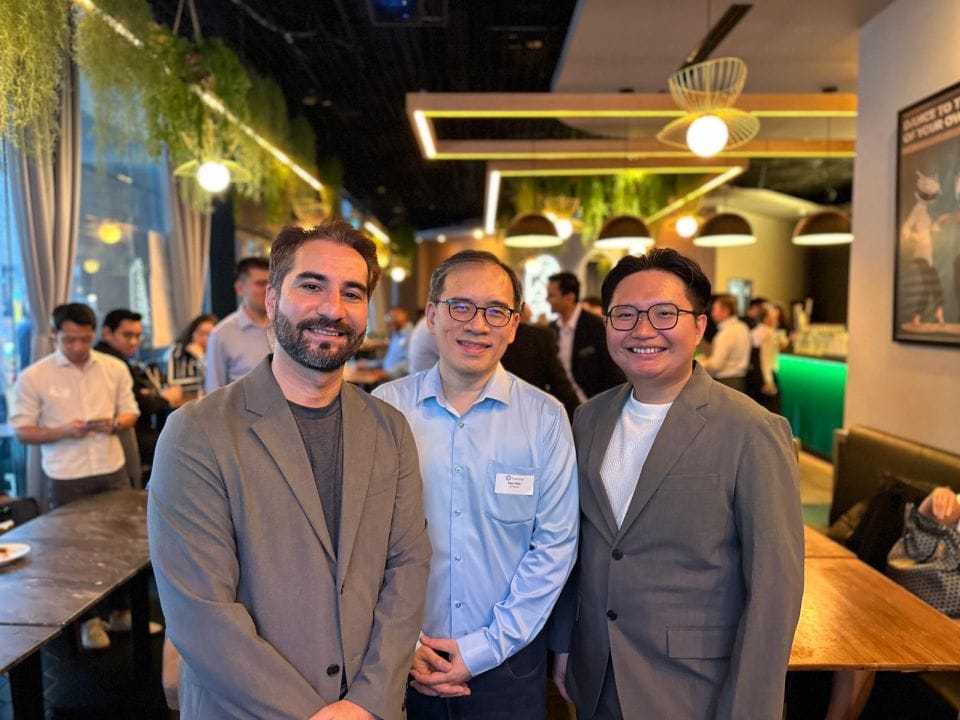
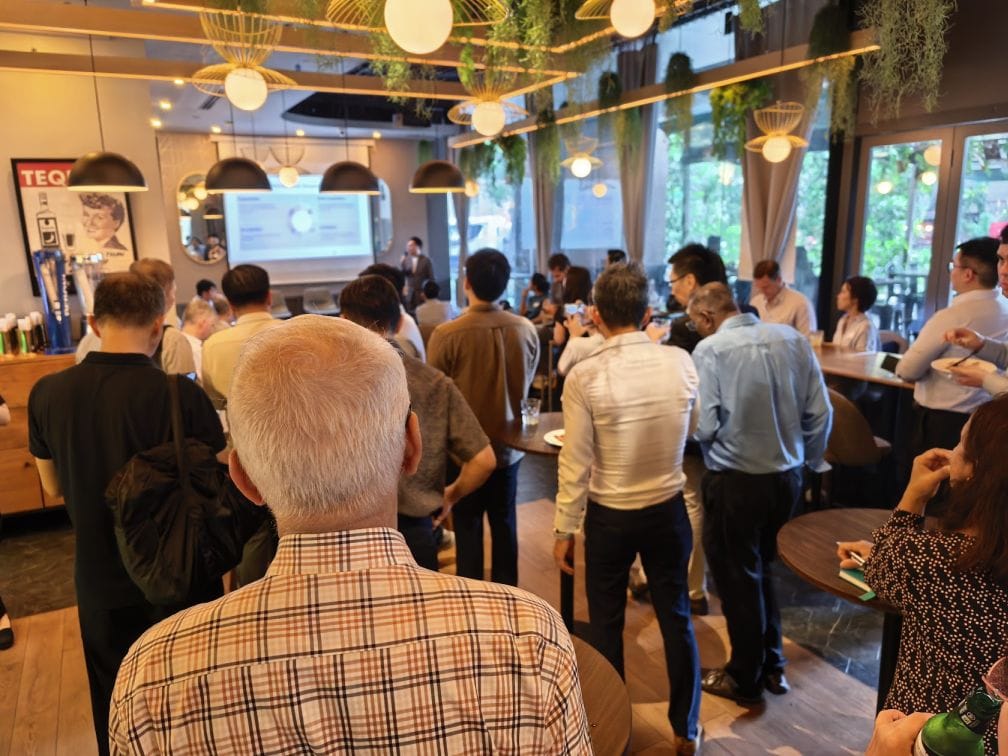
I was at the Hydroleap Networking Event this afternoon, where I met up with various industry insiders in sustainability, water, and data centres. Always a treat catching up with familiar faces and meeting new ones in the room. Here's what I learned about data centres and water today.
Water by the numbers
According to PUB's Ken Chan, non-domestic water demand in Singapore is expected to double by 2065. It will make up two-thirds of total demand.
To stretch every drop, PUB has enhanced its Water Efficiency Fund (WEF) framework, raising the funding cap for selected recycling projects from S$1 million to S$5 million.
The approach: regulate to manage demand and recycling, build capabilities, help customers use water more efficiently, and recognise top performers.
Mohammad Sherafatmand of Hydroleap also shared his insights in the fireside chat that followed.
Shift away from potable water
There was a time when 20-30MW data centres were considered very large, and city utilities had a comfortable surplus to supply them, said Moh.
But as new hyperscale campuses tip the scale at 300MW and beyond, water demand has been "put in front of" utilities at a scale beyond what they can supply from the same potable source.
Singapore moved to alternate water sources early. Other markets are now rushing to adopt similar policies.
WUE moves alongside PUE
PUE has held the spotlight for the longest time. WUE has now moved from second fiddle to part of the same conversation.
Moh shared a new insight from a recent internal study, never before disclosed: chiller efficiency degrades over time as scaling and fouling build up, and that degradation gets steeper as systems scale.
Scale matters. A 10% inefficiency was tolerable at small scale. At hyperscale, the same 10% on a 65MW site could mean a gap in the region of 5-6MW. That's a recoverable load operators can no longer afford to leave on the table.
Liquid cooling still needs water
Finally, liquid cooling doesn't mean zero water. It merely shifts the primary heat transfer from air to liquid, observed Moh.
Water is far more efficient, but the heat still has to go somewhere. That's typically into chiller plants and secondary systems that still require water.
Power has long made the headlines. But ask any operator planning their next data centre today, and it is clear that water is no longer a quiet variable in the data centre equation.