What Vera Rubin means for data centre design
Three ways Nvidia's next platform rewrites how AI facilities are designed.

The most impressive thing about Vera Rubin isn't the GPU. It's how Nvidia has redesigned the data centre. Here are three things data centre professionals should know.
For some time now, I've observed how data centres designed primarily for AI workloads are diverging from traditional facilities. The upcoming Vera Rubin will complete the transition.
Building AI factories
Vera Rubin will take AI data centres up to 600kW per rack over the next two years. To put that in perspective, 8kW racks were the average just two years ago.
Full Rubin Ultra support calls for high inlet temperatures of 45°C, full direct-to-chip liquid cooling, and hall or facility-level DC power. Meeting these will demand a complete change in how data centres are designed today.
Redesigning the rack
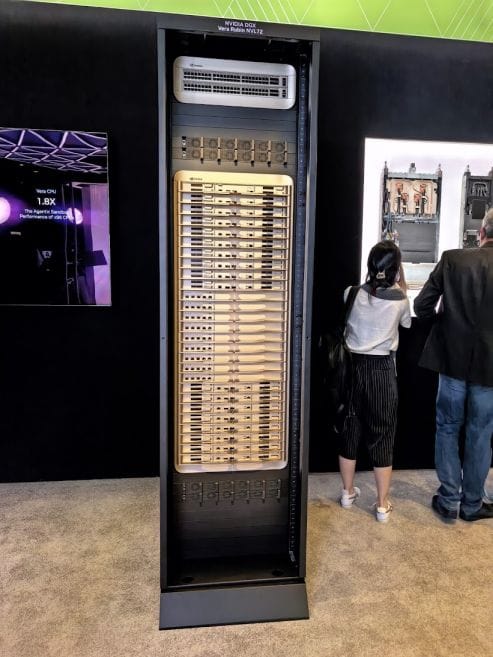
Supporting racks that draw up to an astounding 600kW demands not just an overhaul but a radical redesign of the server rack.
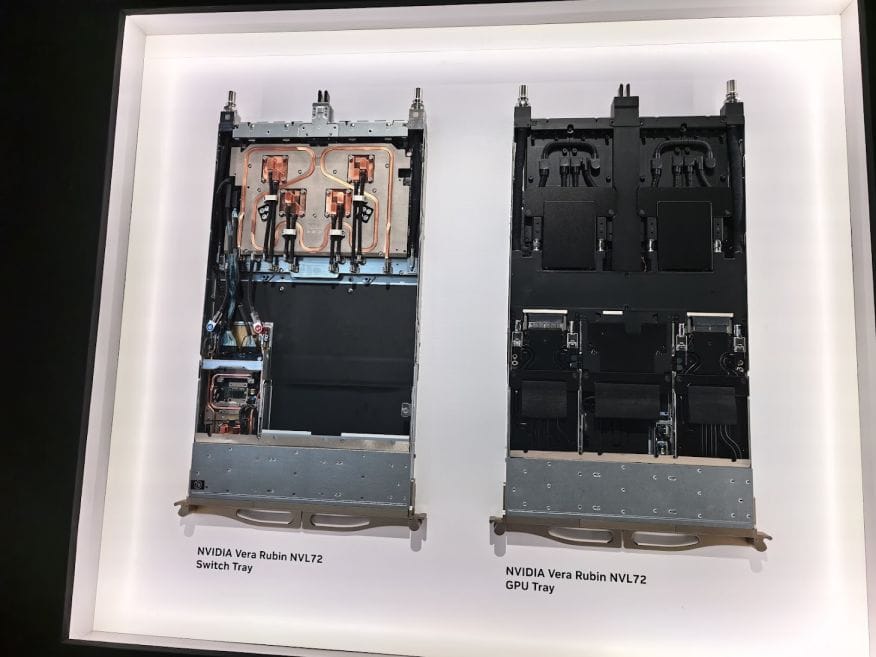
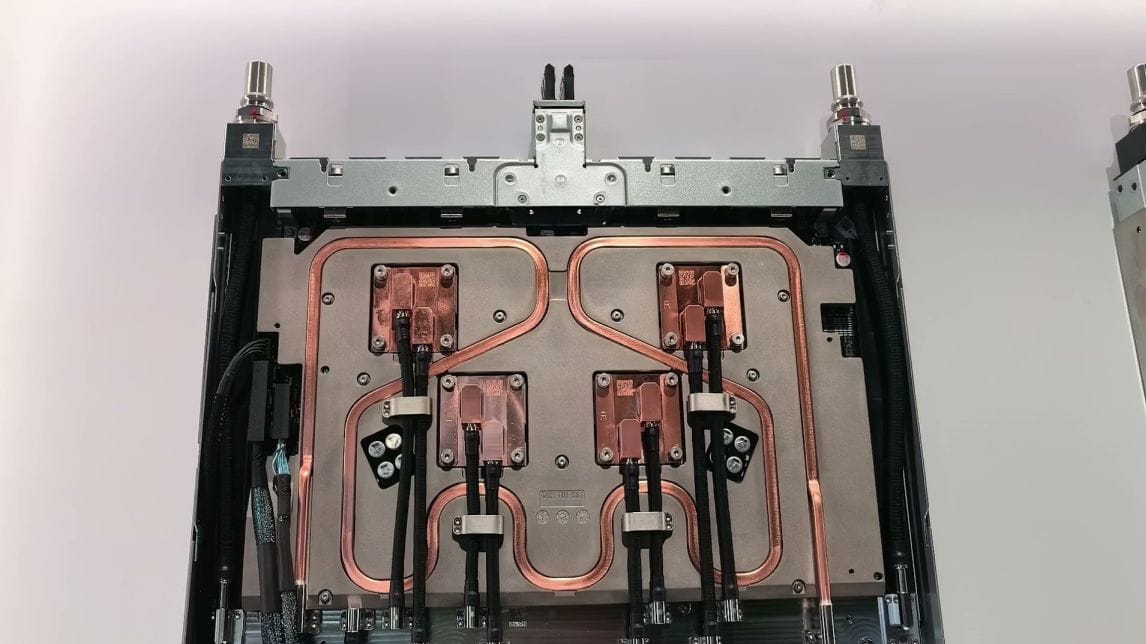
This actually started with Blackwell, which introduced a passive backplane connection, a power bus bar, and blind-mate quick disconnects for the liquid-cooling links. Rubin takes another step forward, removing all internal cables, hoses, and fans from the compute tray and switching to board-to-board connectors.
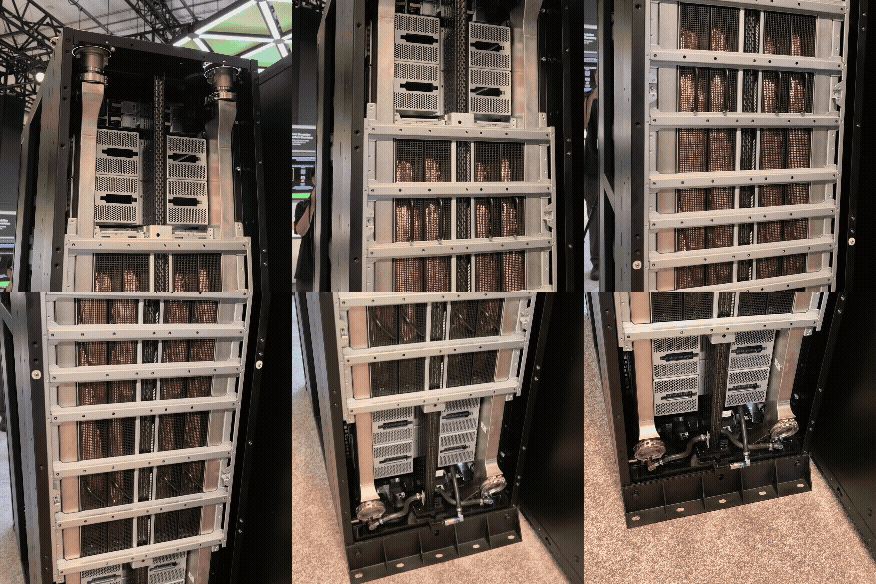
To go all-in on liquid cooling, expect new data hall designs to start sporting pipes with high flow rates, and to swap out aisle-level cooling for in-row CDUs.
All-to-all fabric
The technical sophistication of the Vera Rubin platform is staggering, blending ruthless optimisations with innovations geared towards high-performance computing.
For instance, Vera Rubin supports all-to-all GPU-to-GPU communication across the rack. Within one NVL72 rack, each GPU can communicate directly with any other GPU. A bit of trivia: the GPU-level bandwidth of the latest NVLink 6 is 3.6 TB/s per GPU, which exceeds the H100's HBM bandwidth from a mere two generations earlier.
The platform has breadth, too. It scales out between racks via InfiniBand, scales across multiple data centres via Spectrum-XGS Ethernet, and uses co-packaged optics with silicon photonics for its switches.
Given the technical lead and token efficiency the Vera Rubin platform promises, something tells me we'll be seeing a lot of these deployments in the future.