New York just did what Singapore did in 2019
New York's one-year halt targets facilities of 50MW or more.

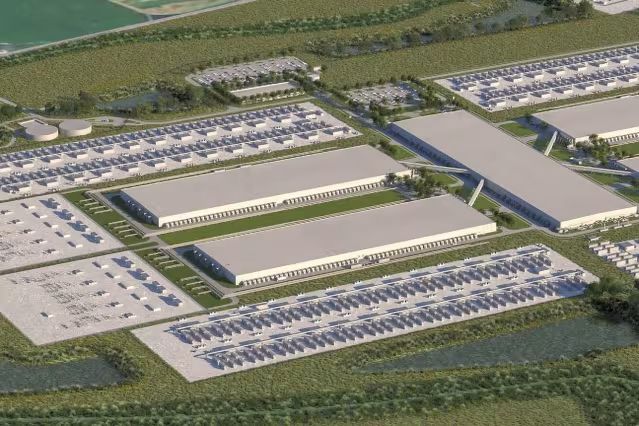
When Singapore imposed a moratorium on data centres in 2019, it was the first to do so. This week, New York followed. So what happened?
As reported by Reuters, New York on 14 July became the first US state to halt construction of large new data centres, imposing a one-year moratorium because of concerns over power and water use. There are lessons worth drawing here.
The Singapore moratorium
In 2019, Singapore paused approvals for new data centres and halted the release of state land for data centre development. This stretched on for around three years.
There was no official announcement in the first year, though the hushed whispers and bewilderment came quickly, eventually followed by a dawning realisation. I believe it was only in 2020 that an agency representative referred to an "implicit moratorium", cited in a local broadsheet report. By then, of course, everyone in the industry already knew.
New York, New York
In New York, state officials were directed to develop an environmental impact statement to ensure that new data centres are held to "consistent standards". They were also directed to examine the potential environmental impacts of constructing and operating these facilities.
"Large" data centres here refer to those that use 50MW or more of power. This means traditional colocation facilities, and even small AI data centres of more modest footprint, are still allowable.
For comparison, the largest operational data centres in Singapore currently range from 40MW to 60MW. New data centre campuses built in Johor range from 280MW to 600MW, and more.
The shape of things to come
So what does the New York moratorium mean for the rest of us? There are two distinct issues to highlight.
The first is sustainable growth. According to CBRE, total power capacity across eight primary US data centre markets reached 9.4GW in 2025, a staggering 36% year-on-year increase in supply. Vacancy rates fell to a historical low of 1.4%, which means the new capacity is being snapped up. But such rapid growth is clearly unsustainable, particularly when you consider that the US already hosts the most data centre capacity globally.
The second is sustainability itself. We do need to be circumspect here. Digital infrastructure has become an inalienable part of modern life, and there really is no going back to the days before smartphones, cloud services, and the internet.
Even so, data centre operators cannot ignore concerns around sustainability. In New York, it is good to see more attention being paid to data centre standards and their environmental impact. Thankfully, this is an area that Southeast Asian nations such as Singapore and Malaysia have already focused on.