What Singapore's DC-CFA2 will set in motion
The deadline closes today. The implications go well beyond 200MW of new data centre capacity.

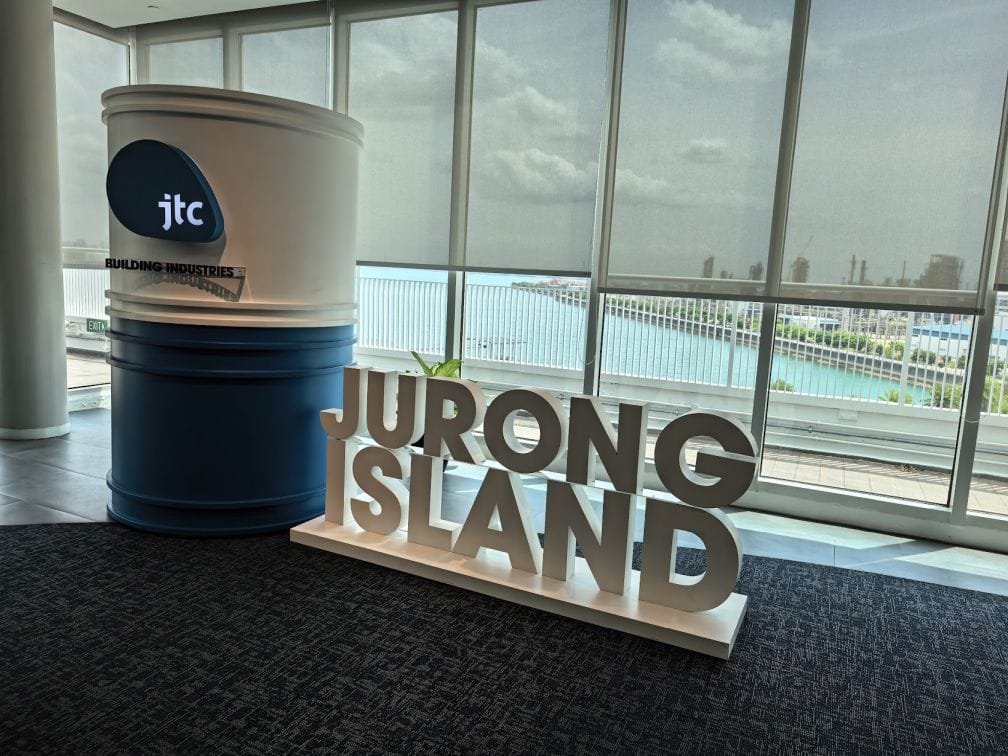
As the deadline closes today on Singapore's DC-CFA2 submission for new data centres, here's what I think happens next.
What is the DC-CFA?
Originally created as a way to manage data centre growth, the DC-CFA has emerged as the Singapore government's primary mechanism to allocate new data centre capacity.
The second Data Centre-Call for Application (DC-CFA2) was announced on 1 December 2025. It offers "at least" 200MW of data centre capacity, up from 80MW in the pilot DC-CFA. Originally slated to close at the end of February, the deadline has been extended twice: first to 31 March, then finally to 13 April. Which is today.
Where will these data centres be built? On Jurong Island, under the auspices of JTC. The site is already ringed with hoardings reading "Sustainable Data Centre Park." What will the DC-CFA2 lead to? Two things.
Kickstarting renewables in Singapore
The DC-CFA2 sets an extremely high bar with multiple requirements around strengthening Singapore as a data centre hub, economic contributions, and sustainability.
What is truly extraordinary though is its requirement for at least 50% renewables. The rationale, which I've verified through conversations with JTC, is to serve as a catalyst to jumpstart the renewables sector. Data centres, with their around-the-clock energy consumption, represent exactly the kind of large-scale, predictable demand that renewable energy producers and importers need to justify their investments.
I've written about my visit to Jurong Island recently, where I saw first-hand how the island's transformation from petrochemical hub to green energy hub is taking shape.
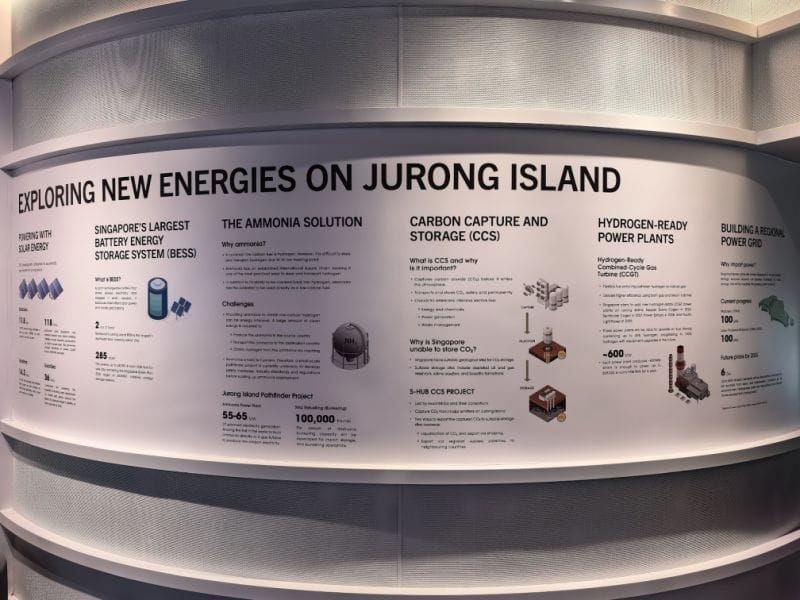
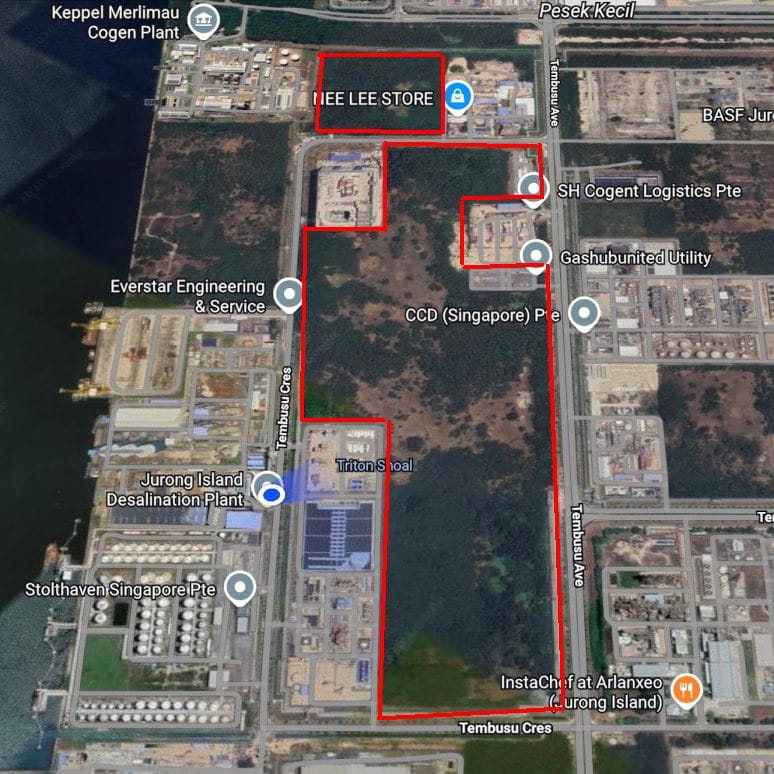
Photo Caption: (Right) The area allocated for the Sustainable Data Centre Park in Jurong Island.
A new generation of data centres
Beyond renewables, the DC-CFA2 also serves to spur innovation within the data centre itself. For the longest time, cost considerations dictated whether resource-efficient systems were used. And the rush to build lucrative, massive new facilities doesn't always translate into the most efficient approaches.
With the DC-CFA2, operators are challenged to design modern data centres that push the envelope not just on efficiency, but in areas such as district-level systems, shared utilities, next-generation resource management, and upgradability for future workloads. And this is just the start.
Why it matters now
Why spend so much effort building sustainable data centres? As I wrote in my commentary on Sunday, the latest developments in AI and emerging use cases are set to keep strengthening demand for compute.
This means many more data centres will be needed, and every market will eventually run into resource constraints. More efficient resource use won't just be a nice-to-have. It will determine how many more data centres Singapore can support.
With the bar set this high, what will it actually take to win a DC-CFA2 allocation?