From frontline agents to service architects
How Zendesk is rebuilding customer support around AI, and what it means for humans.

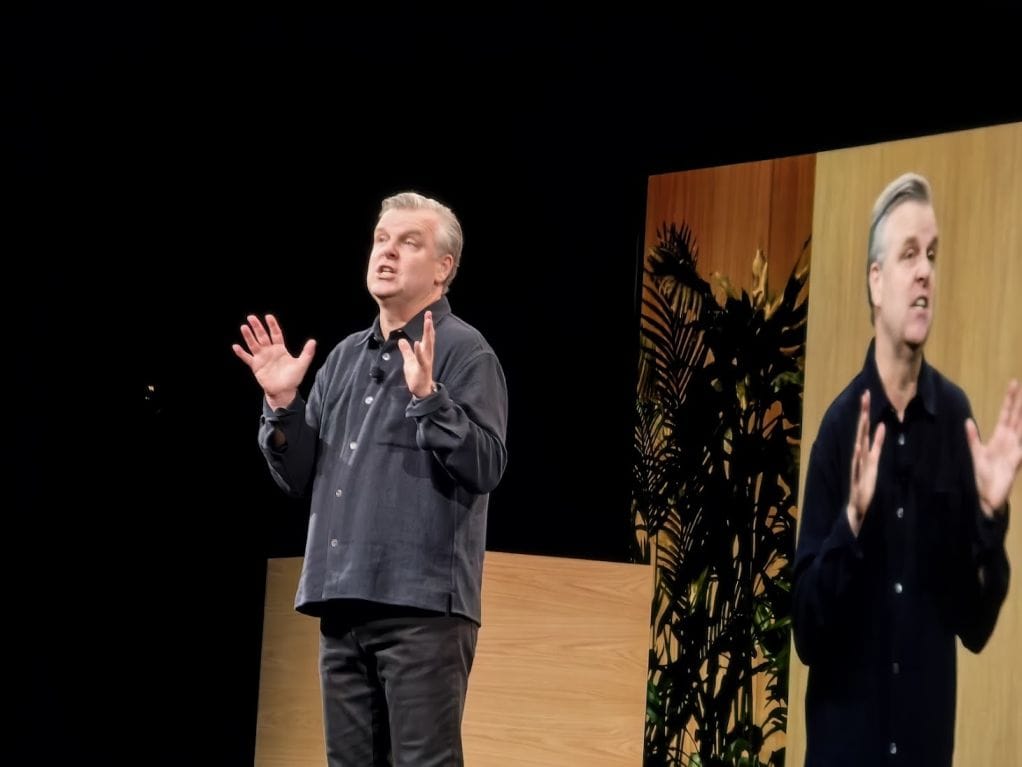
Think of the last time you tried to get help, and the chatbot sent you in circles. That era is over, says Tom Eggemeier, CEO of cloud-based customer support platform Zendesk.
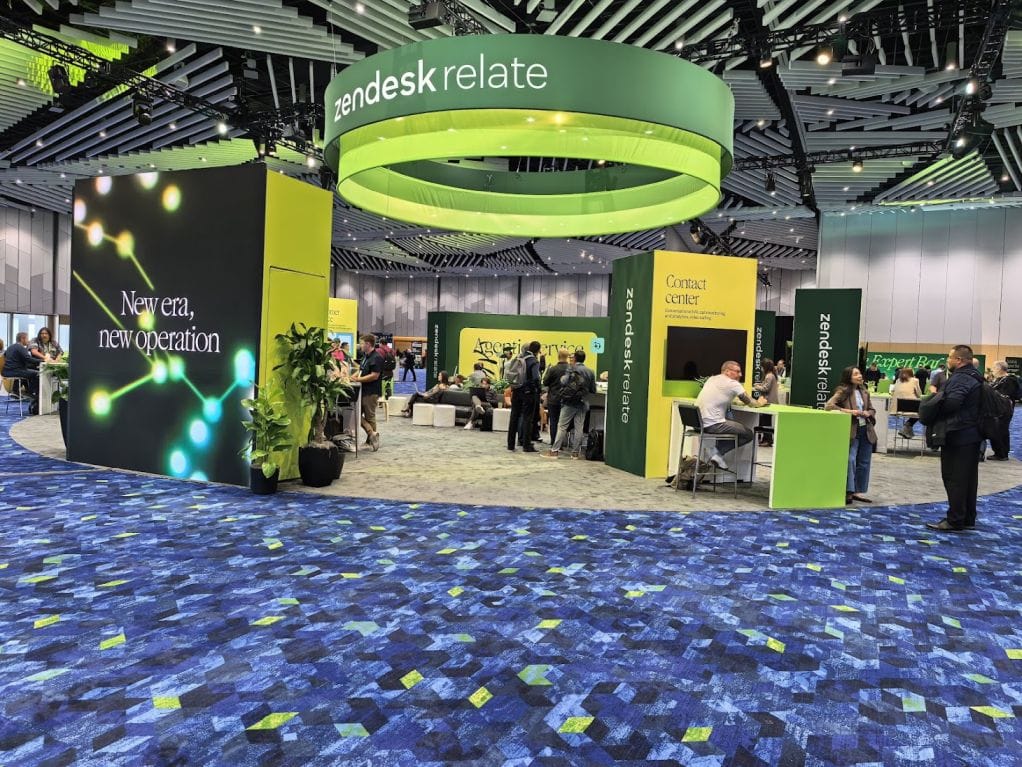
He made the case at Zendesk Relate, as his firm rolled out a wave of AI updates to its customer help desk platform, anchored on what it calls an "Autonomous Service Workforce."
Sent in circles
Ever been frustrated getting support from a brand? Rob Giulio, the Chief Customer Officer at Canva, shared his experience on day two of the conference.
He had an issue he could not resolve himself. So Rob did what any of us would have done. He went to the online support page and clicked on "Support," only to get an AI chat agent that went nowhere. Next, he hunted down a phone number to call, which takes determination these days, navigated endless IVR menus, and got a voice-based AI agent. Then, the scream. That last part would be me, not him.
To Rob's point, systems today are designed to "close" the support interaction as quickly as possible. The result is responses that often direct back to the help centre. But with AI, the right data, and better design, Rob says that gap can finally close.
Closing the gap
So how does Zendesk plan to do it?
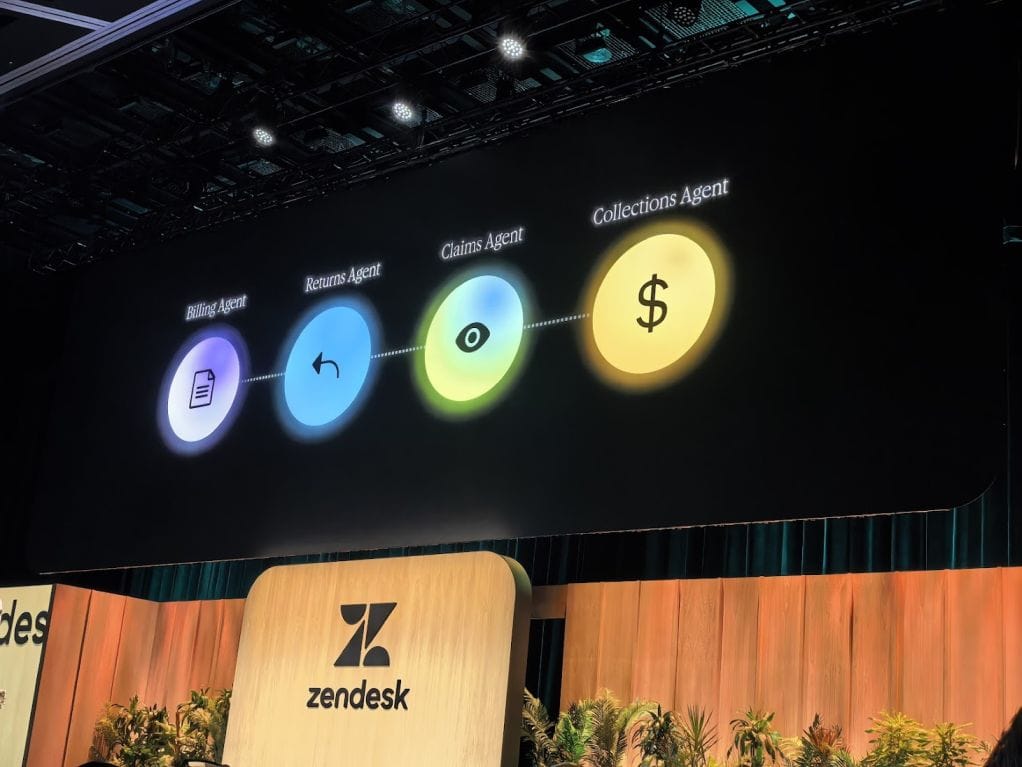
At the centre sits the Resolution Platform, which Zendesk launched at last year's Relate. Every interaction then feeds a Resolution Learning Loop, which closes knowledge gaps and sharpens the next answer.
The pricing is built around the same idea. Zendesk introduced outcome-based pricing back in 2024, and this year is adding a second check. It charges only for resolutions it verifies twice: once by the agent resolving the issue, and again by a separate AI evaluation model. It is a bold attempt to align incentives.
The architects
But what does it mean for humans?
Tom acknowledged he doesn't have the answer when it comes to the broader societal impact of AI. In his telling, AI serves as the foundation, but human experts are the architects.
Indeed, he says Zendesk is hiring hundreds of "service architects" and moving former frontline agents into workflow design. The work shifts up the stack, to judgement, creativity, and orchestration, he says.
What else shipped
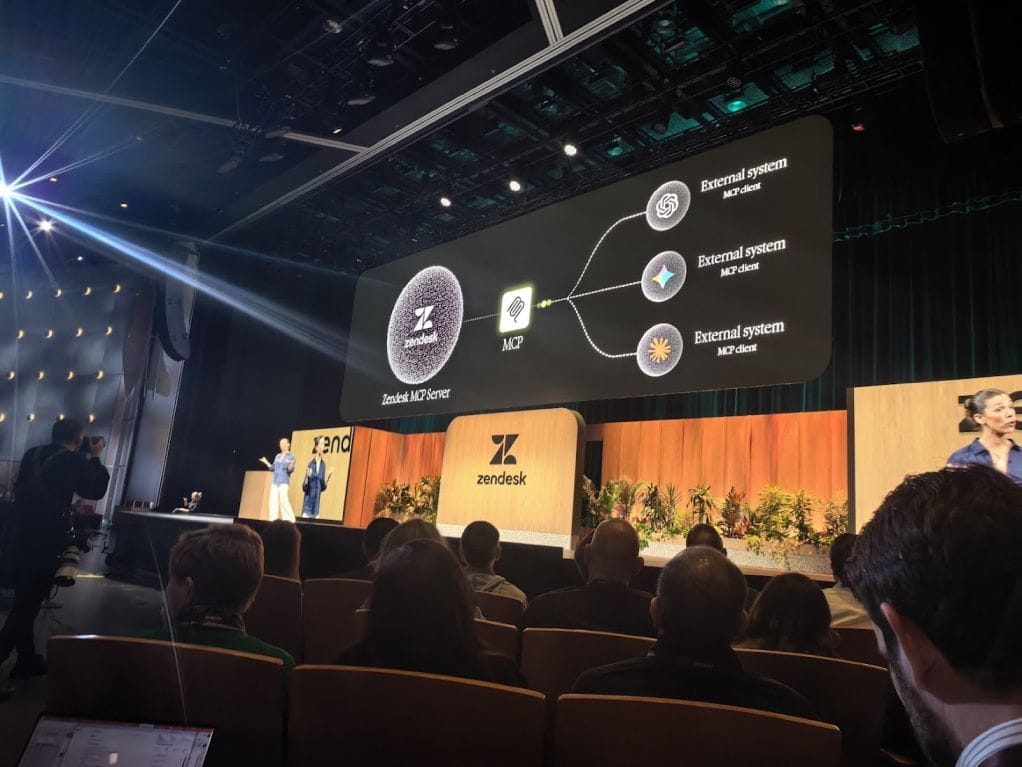
Among others, Zendesk also launched two notable additions. The first is Agent Builder, a no-code interface to build, test, and deploy custom AI agents tailored to a company's policies, workflows, and data. The second is an early access MCP client that lets Zendesk's agents reach outside systems, with an MCP server planned later this year.
It's my first time at Relate, and what struck me was the depth. This is not AI bolted on for show. It is carefully considered and applied. I'll share more in a separate post.