AI is coming to your desk
What Computex revealed about the next wave of AI-powered hardware.

If one thing struck me at Computex this year, it's this: AI is coming to your desk sooner than you think. Here's what I saw.
Nvidia's PC play
I wrote a little about this yesterday, highlighting how Nvidia is seeking to reinvent the PC with its RTX Spark, fusing a custom 20-core Grace CPU with a Blackwell GPU. Here are two reasons it might just work.
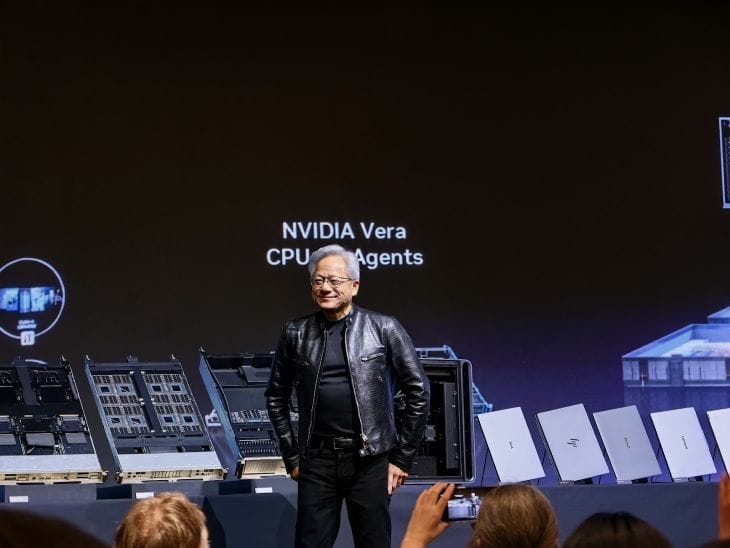
The first is the industry buy-in. Sitting in on Jensen Huang's briefing this morning, I was struck by how the largest PC makers in the world have signed up to produce RTX Spark devices. Every one of them. The second is the engineering. RTX Spark devices are not simply ARM CPUs with built-in Nvidia GPUs. A massive effort has gone into ensuring compatibility with existing software, and into delivering performance benefits that non-Spark devices cannot match. I'll write more about this in another post.

Memory matters
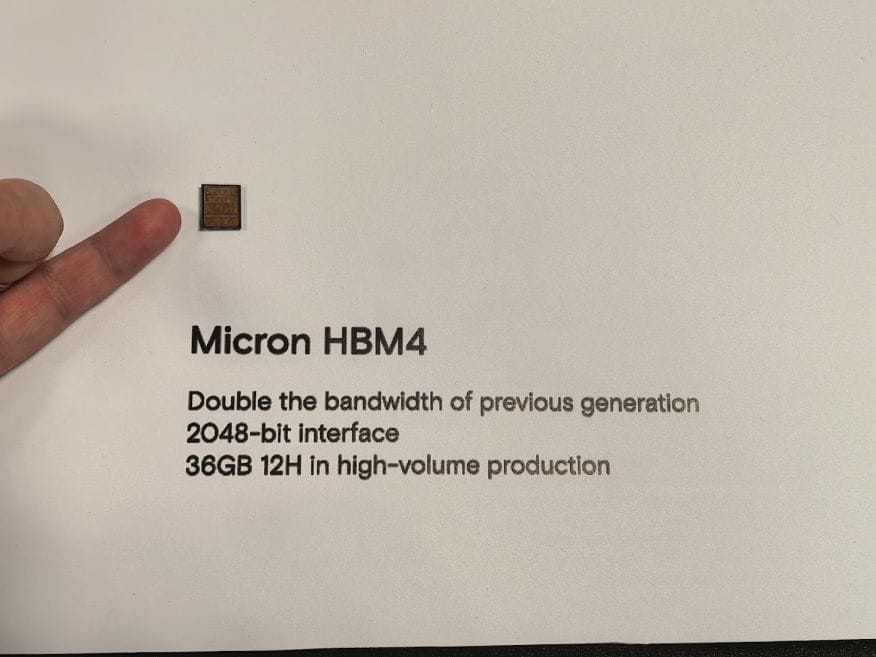
I also learned a few things about memory from a Micron press event. According to Jeremy Werner, HBM4 doubles the bandwidth of HBM3E, and crucially, that doubling delivers more than 2x inference performance.
Jeremy also noted that Micron's 192GB SOCAMM2 modules are currently in production, while 256GB modules are being sampled.
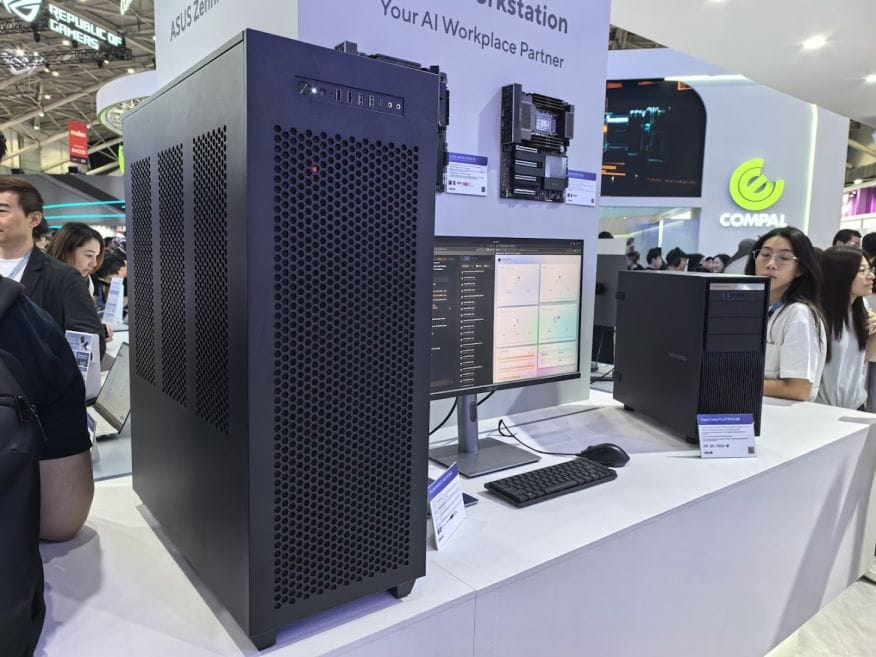
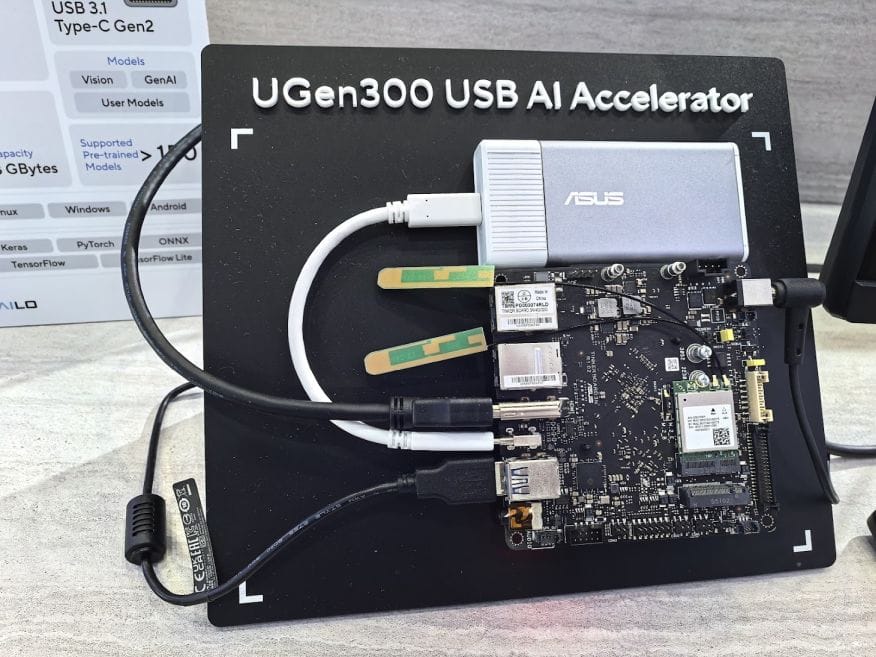
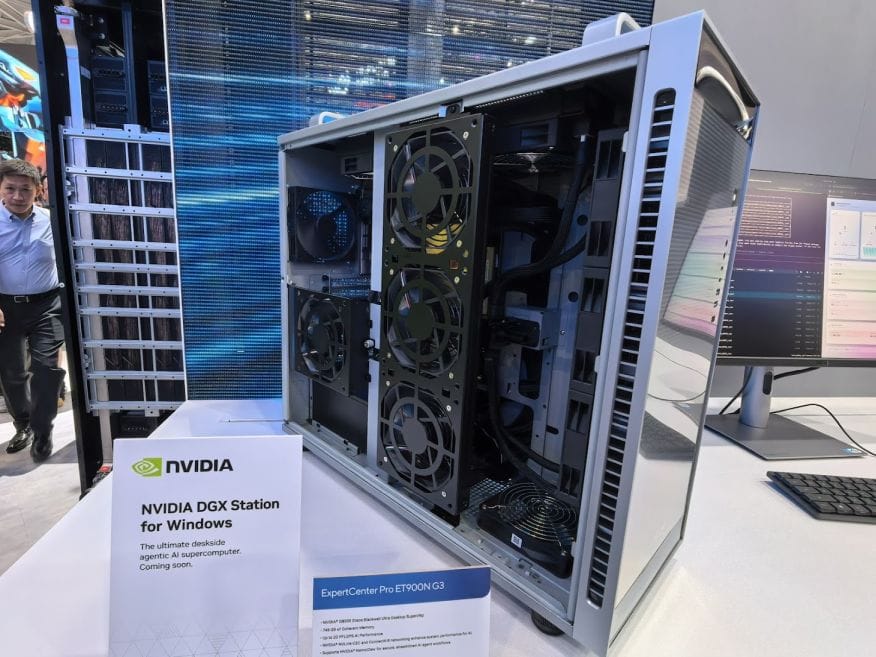
The desk invasion
What struck me next was the sheer number of upcoming AI-powered systems, spanning laptops, workstations, and even USB-powered AI accelerators. Here are a few I saw from Asus.
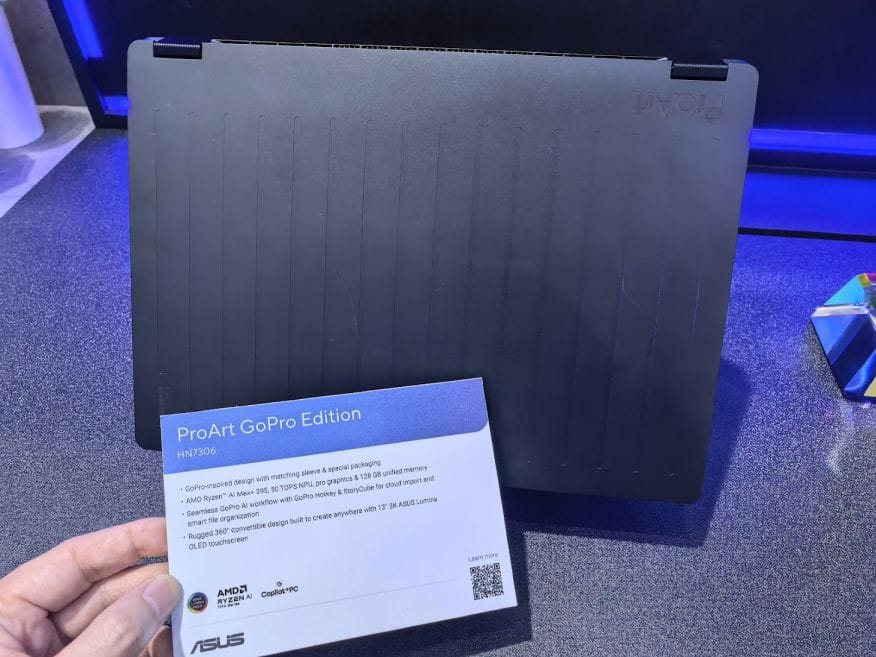
The Asus ProArt laptop packs an AMD Ryzen AI Max+ 395 chip with an NPU capable of 50 TOPS, alongside 128GB of unified RAM. The Asus ExpertCenter Pro ET900N G3, its DGX Station, carries 748GB of RAM and the GB300 desktop chip for 20 PFLOPS of AI performance, complete with the plumbing for liquid cooling. And at the other end of the scale, the Asus UGen300 USB AI Accelerator runs up to 40 TOPS on 2.5 watts. With 8GB of RAM, it supports more than 150 pre-trained AI models.
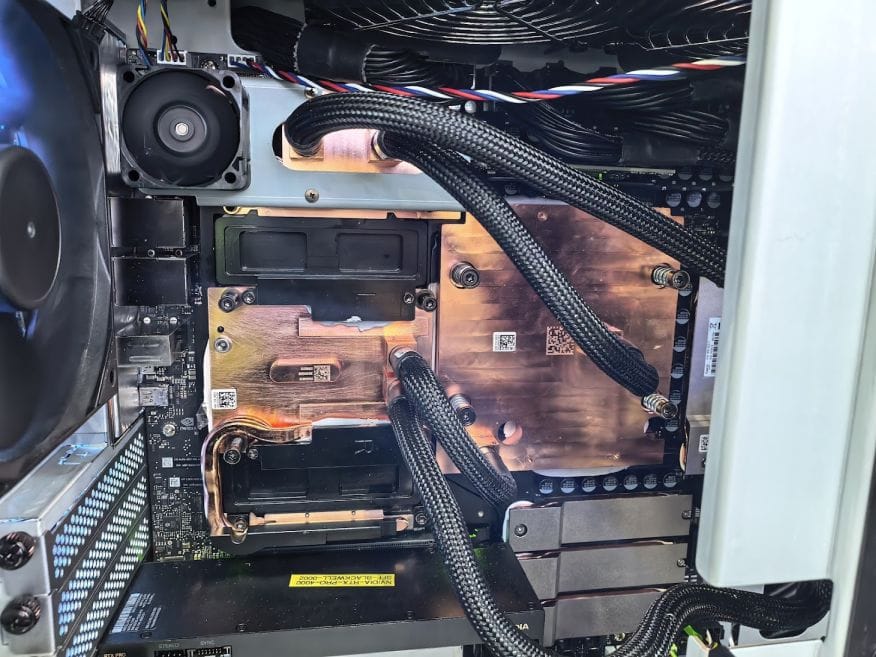
What caught my eye
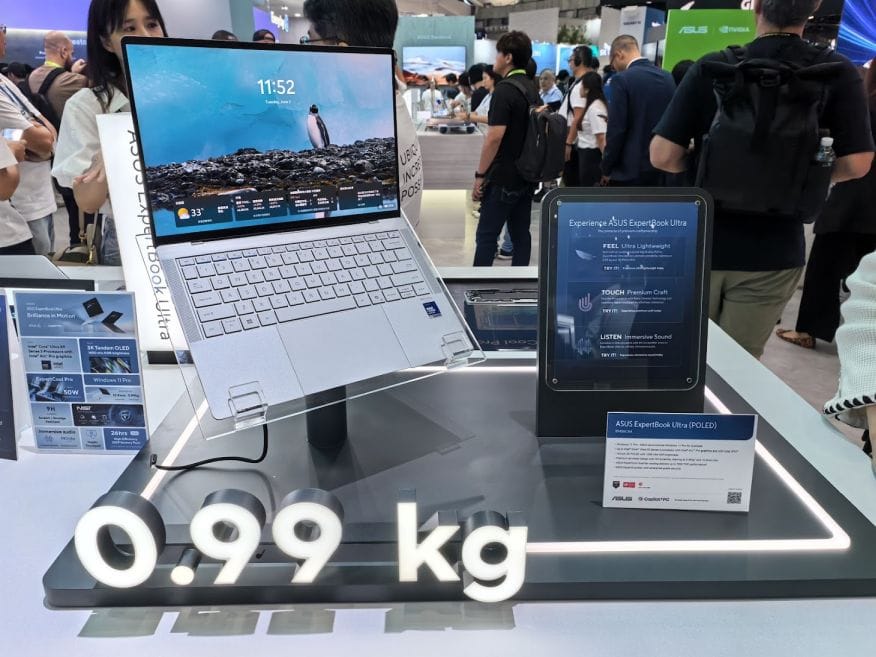
A couple of other things caught my eye. Asus shared more about its ExpertBook Ultra laptop, with its 0.99kg weight, OLED screen, and 9H magnesium alloy case. I can't say much more yet, but having used one over the past two weeks, I can tell you this: it's really good.
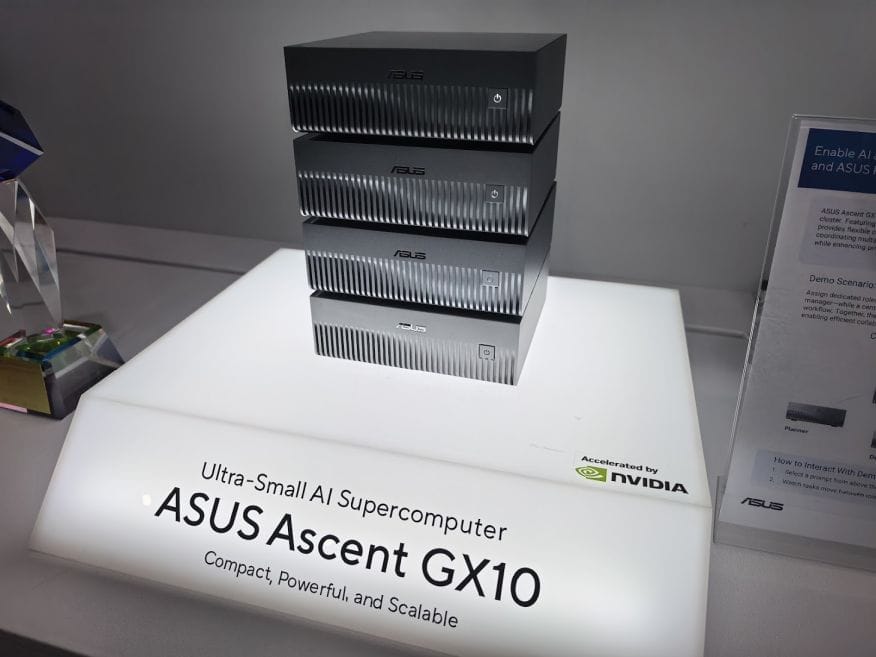
The other was scaling. Up to three Asus GX10 (DGX Spark) units can now be wired up to run 400B AI models, up from two at launch. You simply connect their 200GbE ConnectX-7 ports in a ring topology (A-B, B-C, C-A).
AI isn't waiting in the data centre anymore. It's heading for your desk.