Why Singapore is building data centres on a petrochemical island
Jurong Island's pivot from fossil fuels to renewables could reshape the country's data centre future.

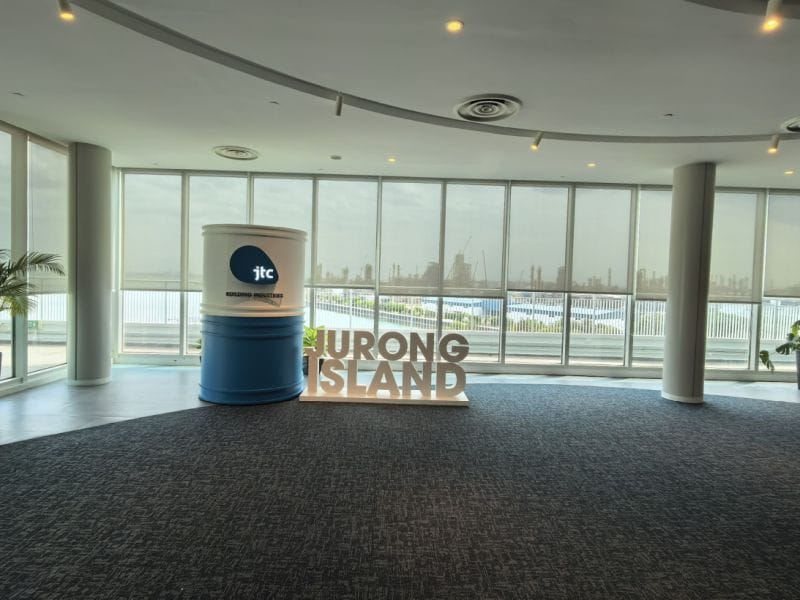
An island built for oil is now Singapore's best bet to maintain its data centre dominance.
You can't just walk onto Jurong Island. It's a Protected Place. But behind the checkpoints, something unexpected has gone up: hoardings for a sustainable data centre park. Why build data centres there? And why is it a crucial cog for Singapore's grand vision to transform Jurong Island into a green energy hub?
Here's why that's not as paradoxical as it sounds.
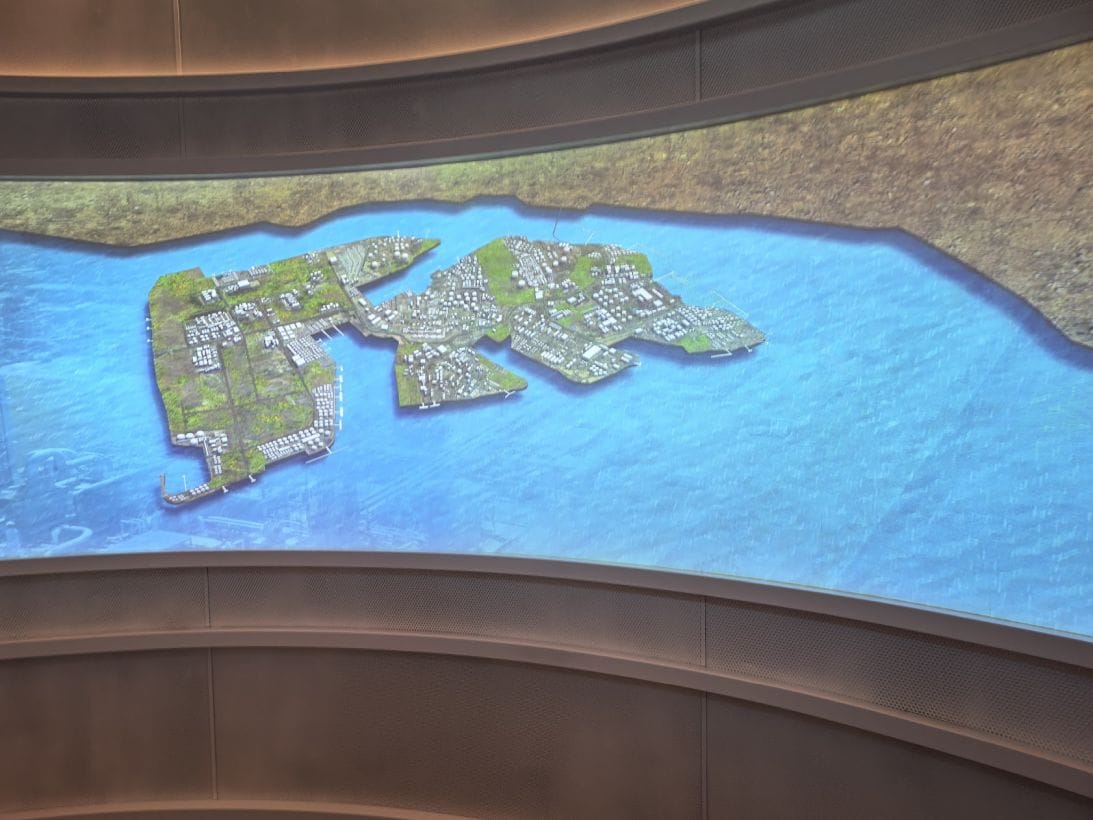
A visit to Jurong Island
Earlier this year, I had the opportunity to tour Jurong Island. While I was not allowed to take photos, I had the infinitely patient Adriel Tan to answer my questions. Here's what I learned.
Jurong Island is one of the world's largest energy and chemicals hubs, housing more than 100 companies with investments of more than S$50 billion. It was the result of a massive land reclamation project, completed in 2009, that merged seven smaller southern islands into what it is today. As reported last year, the plan is to pivot the traditionally fossil fuel-reliant island towards sustainability with new energies and low-carbon technologies.
The transformation is ambitious, but Singapore has a track record of reinventing its infrastructure when the strategic calculus demands it.
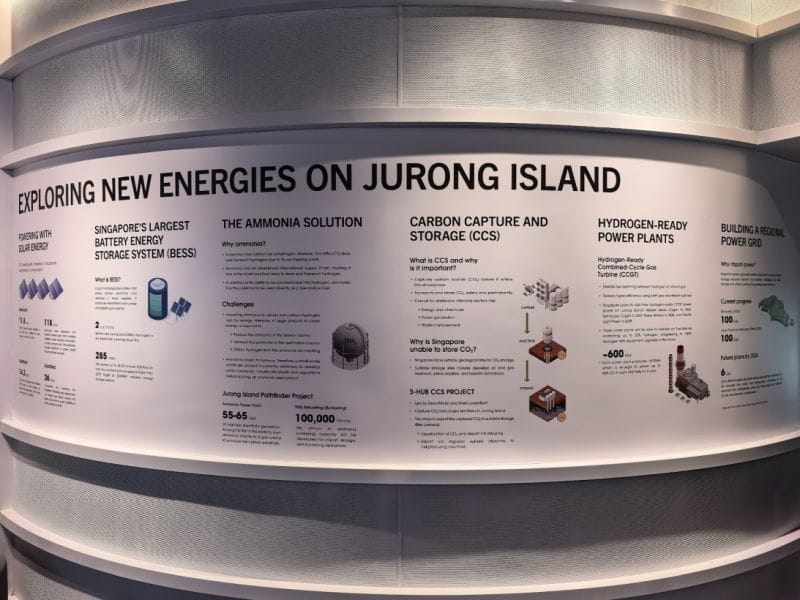
A renewables hub in the making
Like everything else in Singapore, energy is imported. There are various ways to do this for renewables, including biomethane, low-carbon ammonia, low-carbon hydrogen, fuel cells with carbon capture, and bringing in renewable energy via undersea cables or through Peninsular Malaysia as part of a regional power grid.
But renewables such as hydrogen face a supply and demand conundrum. Producers won't build the needed plants if there's no demand. Consumers can't move ahead if there's no supply. Even worse, shippers can't get the financing they need to build a new generation of specialised vessels to transport low-carbon fuel without proven demand.
It's a classic chicken-and-egg problem. Which is why Singapore is building new hydrogen-ready power plants. There will be at least nine by 2030, and they are all located on Jurong Island.
The data centre connection
But that's just a start. Data centres, with their around-the-clock energy consumption, could potentially give the renewables sector the jumpstart it needs. They represent exactly the kind of large-scale, predictable, baseload demand that hydrogen producers and renewable energy importers require to justify their investments.
Which is why the ongoing DC-CFA2 was crafted the way it was: at least 50% use of renewables. But is the data centre sector paying an unfair price given the higher cost of renewables?
Perhaps. But the payoff isn't just greener data centres. Cracking the puzzle of importing renewable energy at scale and at competitive prices will open the floodgates to renewables across the broader economy.
If Singapore succeeds, it won't just redefine sustainable data centres. It will have paved the way for many more of them.