Why Samsung's Galaxy Z TriFold only folds inward
The one thing Samsung's TriFold didn't copy from Huawei.

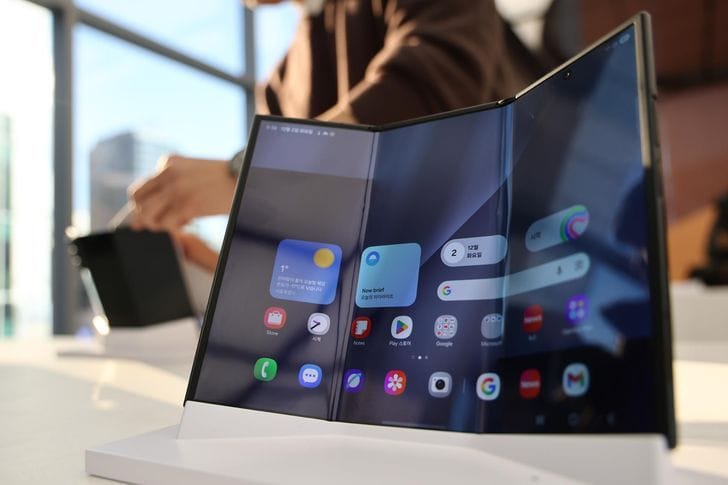
Samsung last week unveiled its highly anticipated Galaxy Z TriFold smartphone in Singapore. I couldn't attend the launch but kept a close eye on the new foldable.
For today's UnfilteredFriday, let's talk narrative and how some brands do it really well.
A new tri-fold phone
Samsung finally debuted its tri-fold smartphone, unveiling a device that unfolds twice to reveal an expansive 10-inch screen.
Its specifications look impressive: a 200MP camera, strong titanium hinge, much faster 45W charging, and the largest foldable battery ever. All this packed into a 12.9mm (folded) form factor weighing just 309 grams.
The 'inward-only' choice
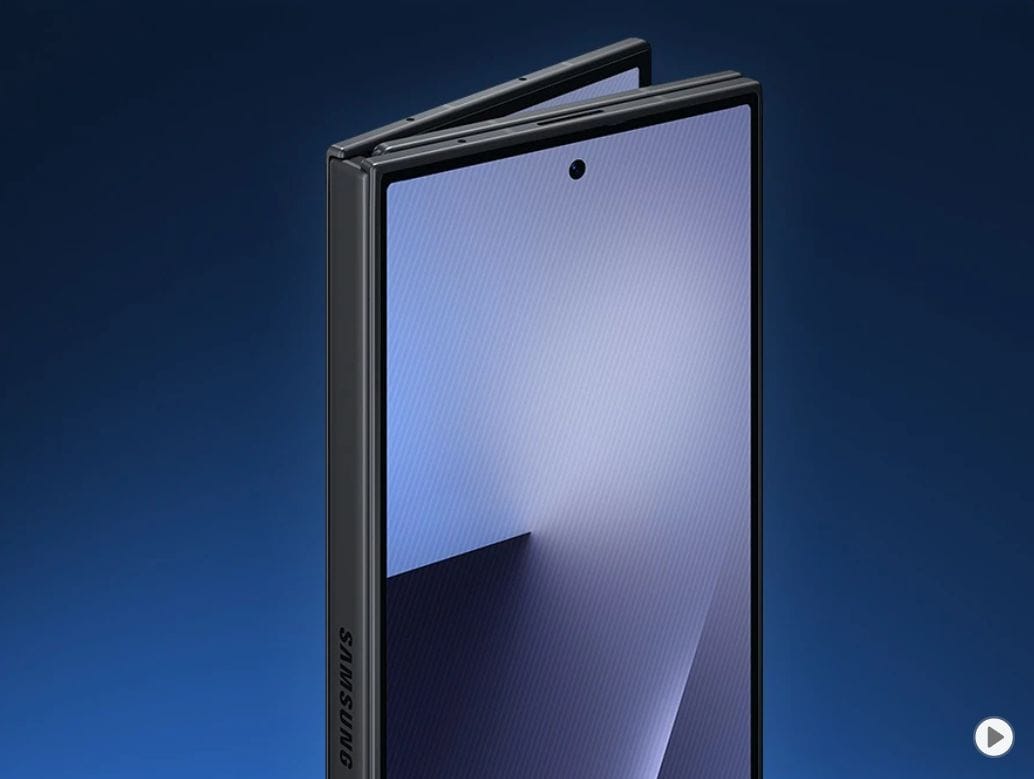
As I read up on it, it dawned on me that Samsung's TriFold only uses inward-folding hinges. This is different from Huawei's tri-folding phone, which folds into a Z-shape using both inward- and outward-folding hinges.
Based on various interviews and its own literature, Samsung says it specifically engineered the TriFold with dual internal hinges, so the foldable screen is tucked in and safe when folded shut.
- I'll note that Huawei's solution does give its trifold smartphone three distinct screen sizes: 6.4-inch (folded), 7.9-inch (one panel open), and 10.2-inch (fully open).
- Samsung's only offers two: 6.5-inch (folded) and 10.0-inch (open).
Is this a case of Samsung prioritising longevity over cool factor? Or just playing it safe given its lack of experience making outward-folding hinges?
We'll never know. But Samsung certainly communicated its story clearly: Protection first.
What do you think? Would you trade versatility for durability?