Why data centres are so easy to misunderstand
Big money, competing agendas, and rapid change make the sector harder to read than most realise.

This week, an APAC reporter messaged me that my explanations helped her understand data centres and publish two reports. That meant something to me.
I was quoted in one of her reports. Data centres are easy to misunderstand, though. There are three reasons why.
- Massive interests at stake
AI made data centres a high-stakes, big-money game. Once serious money flows in, so do vested interests and selective framing to drive certain narratives.
For instance, liquid cooling is sometimes presented as the inevitable future for every facility. The real picture is more nuanced, however, and really depends on factors such as workloads and rack density.
- Everyone has a different agenda
Not everyone is looking at the same issues. Vendors will often emphasise the problem they are best placed to solve and not necessarily the whole picture.
The same goes for data centre operators, whose go-to-market strategy, customer mix, differentiators, and available pipeline can vary widely.
- It is complex and evolving quickly
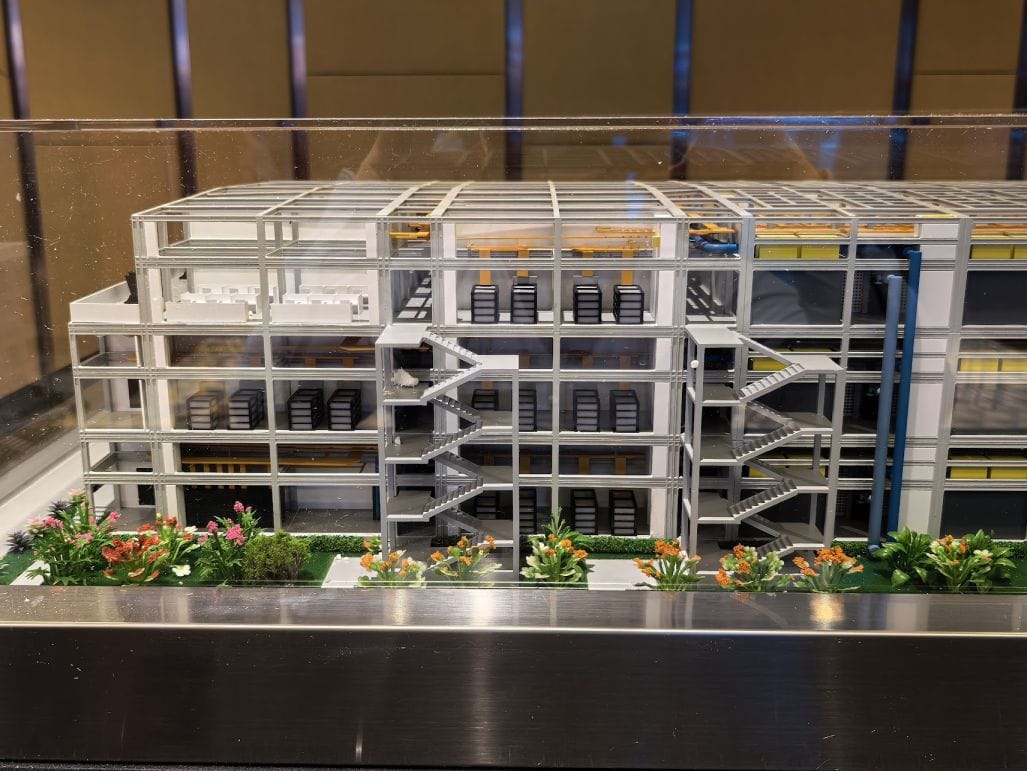
Data centres are relatively straightforward in that they are simply structures designed to house servers centrally and provide essential infrastructure such as electricity, networking, backup power, and cooling systems.
There are many ways to deliver this, however, and every site operates within its own technical, commercial, and regulatory constraints. That means no two data centres are alike, and the systems inside them can often be very different.
The market is also evolving quickly. Singapore will mandate PUE standards for existing data centres with the upcoming Digital Infrastructure Act. Malaysia has restricted approvals for new data centres that are not AI-related, as stated this week by Malaysian Prime Minister Anwar Ibrahim.
Keeping up with these shifts can offer a real advantage in making sense of the sector. That is where I am more than happy to help.