What Malaysia's energy regulator wants from data centre developers
Renewables, upfront fees, and a hard look at economic benefit.

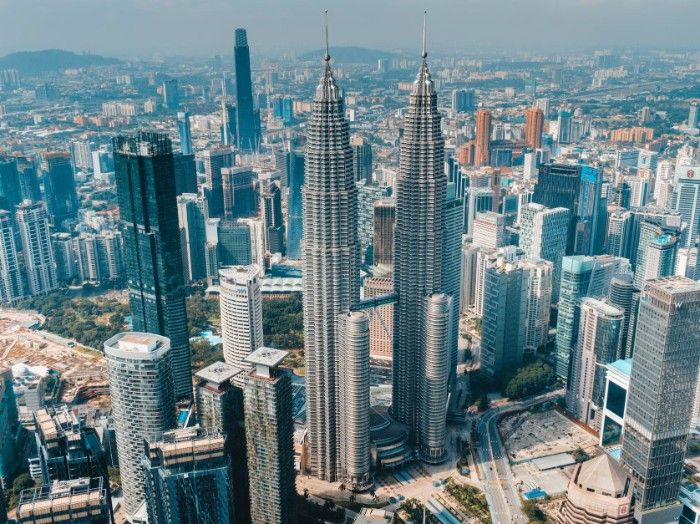
Malaysia is now a top data centre market. It is also throttling new data centres. The CEO of its Energy Commission has just shed some light on why.
On Monday, The Energy published an interview with Siti Safinah Salleh, CEO of Malaysia's energy regulator Suruhanjaya Tenaga (ST), conducted while she was in Australia for an industry conference.
Here's what I understand, after trimming away some of the not-quite-accurate framing in the article.
The rise of Johor
Did you know that according to a JLL report released last August, Malaysia will have more data centre capacity by 2029 than anyone else in APAC other than China?
Malaysia's data centre surge over the last three years has no equivalent, and a lot of that capacity growth sits in Johor. From just one 10MW data centre in 2021, the state is set to house 60% of Malaysia's total data centres by 2030. That is a remarkable shift in a very short window, and it explains why the regulator is now paying such close attention.
Tighter approvals
The rapid rise of data centres has led to a much tighter approval process. In my view, this is necessary, given that some developers are simply rushing into the white-hot market to flip projects for a quick profit.
As noted by The Energy, the Malaysian government has approved 20 data centres since a strict new regime took effect last October. Under that regime, developers must source renewable energy, pay higher electricity tariffs, and shoulder network connection fees for electricity upfront.
Malaysia's stance
I enjoyed the candour of the responses. Here are the talking points that caught my attention.
Siti noted that some developers are uncomfortable with the new requirements. Yet it makes sense for Malaysia to ask for long-term commitments, because supporting these new data centres requires long-term commitments from the nation as well, such as upgrading transformers and substations.
She also stressed that the Malaysian government does not want to subsidise data centre developments or negotiate special deals. In principle, investors should bear the cost of their projects rather than pass it on to other electricity users. Given the commercial nature of these deals, that position makes sense to me.
It's also worth remembering that the assessment of data centre projects isn't just about electricity. It takes in water, connectivity, and compliance with land development codes.
Finally, Siti questioned the economic benefits of some data centres, particularly when the customers are offshore. This is precisely why Singapore is adamant about not building AI data centres for training.
So what are data centre developers in Malaysia to do? That is the question the new regime leaves hanging, and I'll share more in my newsletter commentary over the weekend.