Thailand is the next Southeast Asian market to tighten data centre rules
Thailand's new rules arrive barely a year after Malaysia's.

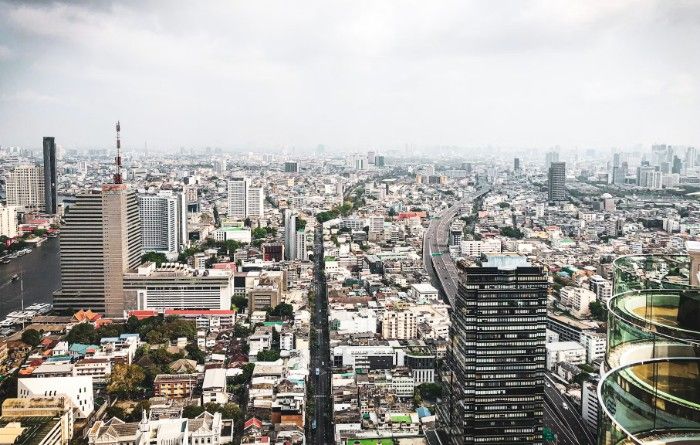
Yet another country is tightening restrictions. Thailand is reportedly moving to impose new guidelines on new data centres built in the country.
Earlier this week, I shared my thoughts on Malaysia's stance on new data centres, and one point stood out: operators cannot expect governments to subsidise their electricity. Thailand now appears to be arriving at much the same conclusion.
Tighter approvals
Thailand's Energy Regulatory Commission is reportedly finalising a new framework that will tighten how new data centres are approved and connected to the grid. The new rules are expected to take effect around the start of Q4 this year.
The framework will apparently cover electricity consumption, grid stability, water management, and the economic contribution of new projects. It will be paired with measures to give industries greater access to renewables, so the tightening comes with a route forward rather than a flat door slam.
Separately, the National Energy Policy Council approved a package of electricity measures in July that included creating a separate electricity tariff class for data centres. That was intended explicitly to reflect the actual cost of supplying them.
Who pays for the grid
Electricity subsidies are generally targeted and time limited. The amount of power consumed by the massive data centres built today, however, can require expensive network and equipment upgrades.
Localised upgrades are feasible, but they are often closely tied to overall grid capacity. Because of the interdependence across a national grid, each one requires system studies to avoid unintended overloads elsewhere.
I personally think the issue is more the sheer increase in electricity consumption, which forces more substantial and major upgrades that have to be paid upfront. And those costs could end up socialised to all consumers.
Pipeline versus reality
Multiple major players have announced their entry into Thailand over the last 12 months, with many well-established names building hyperscale facilities at unprecedented scale.
Developments by Google, DayOne, and Bridge Data Centres are located in Chonburi, southwest of Bangkok. Bangkok alone has 2,587MW of IT capacity in the pipeline, outpacing regional heavyweights and trailing only Malaysia in Southeast Asia.
Yet Thailand's base is modest next to that ambitious pipeline. According to DC Byte, live capacity as of August last year stood at around 120MW. The gap between what is announced and what is actually running is where the pressure on the grid, and on the regulator, builds.
Singapore imposed its moratorium years ago. Malaysia tightened its stance in October last year. Thailand has followed within a year of that. If you ask me, the window between markets opening up and clamping down is clearly shrinking.