STT GDC launches testbed for DC power in data centres
Why DC power could be the answer for AI data centres

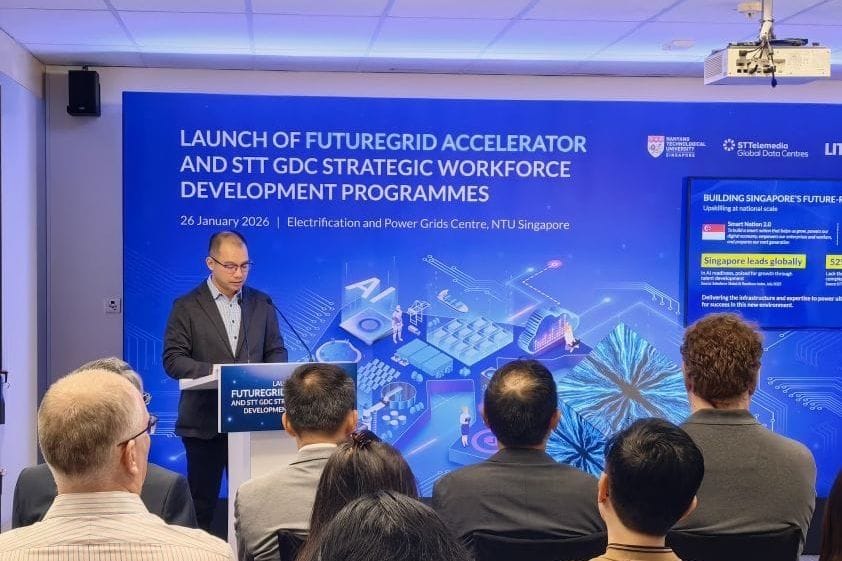
In anticipation of the growing role of DC power in AI workloads and data centres of the future, STT GDC today launched a testbed to support its adoption.
FutureGrid Accelerator testbed
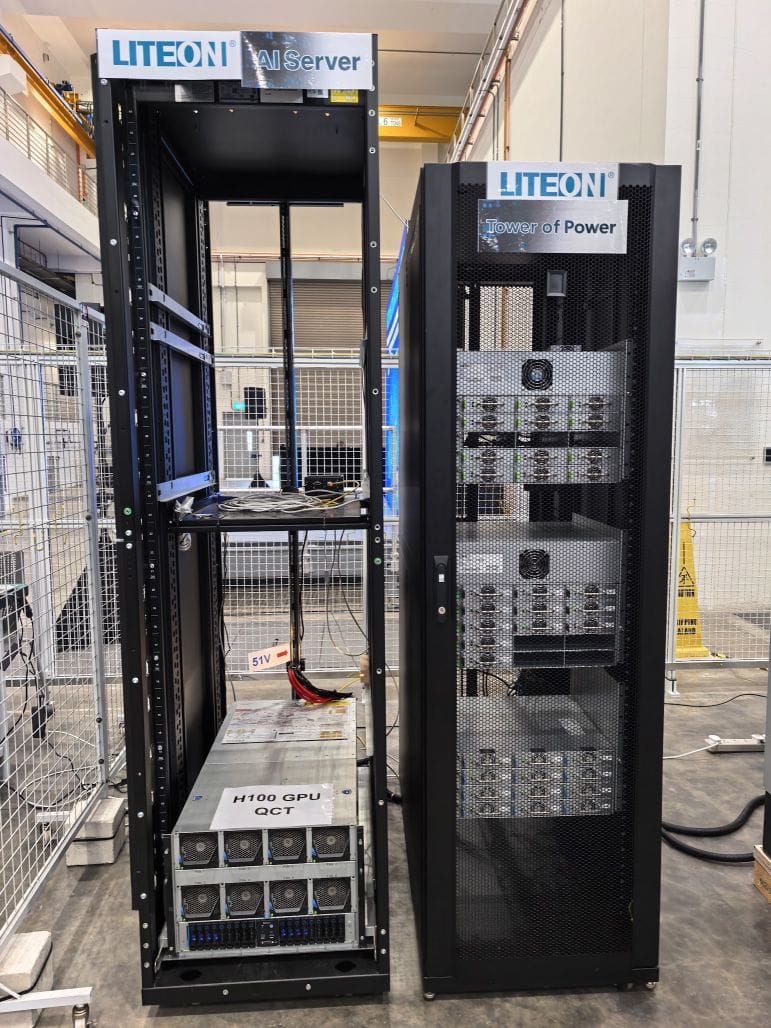
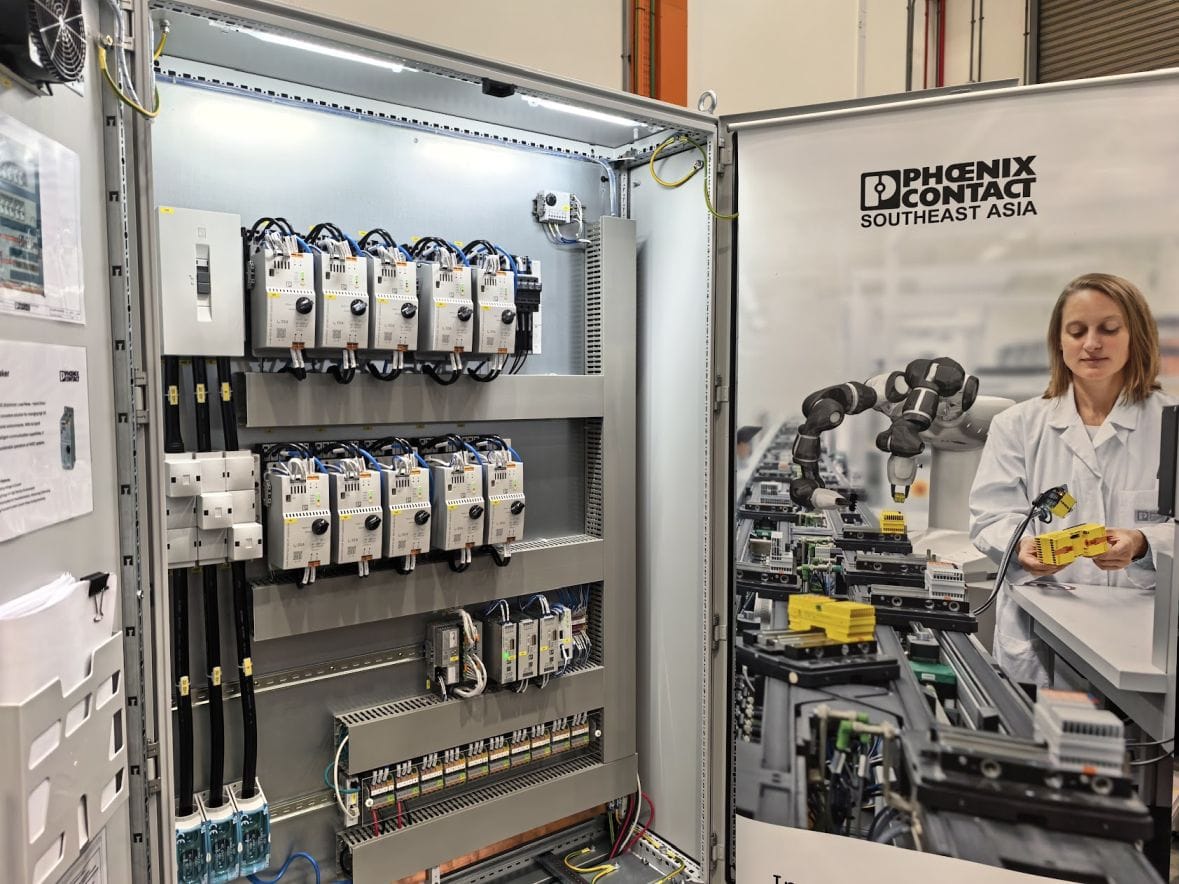
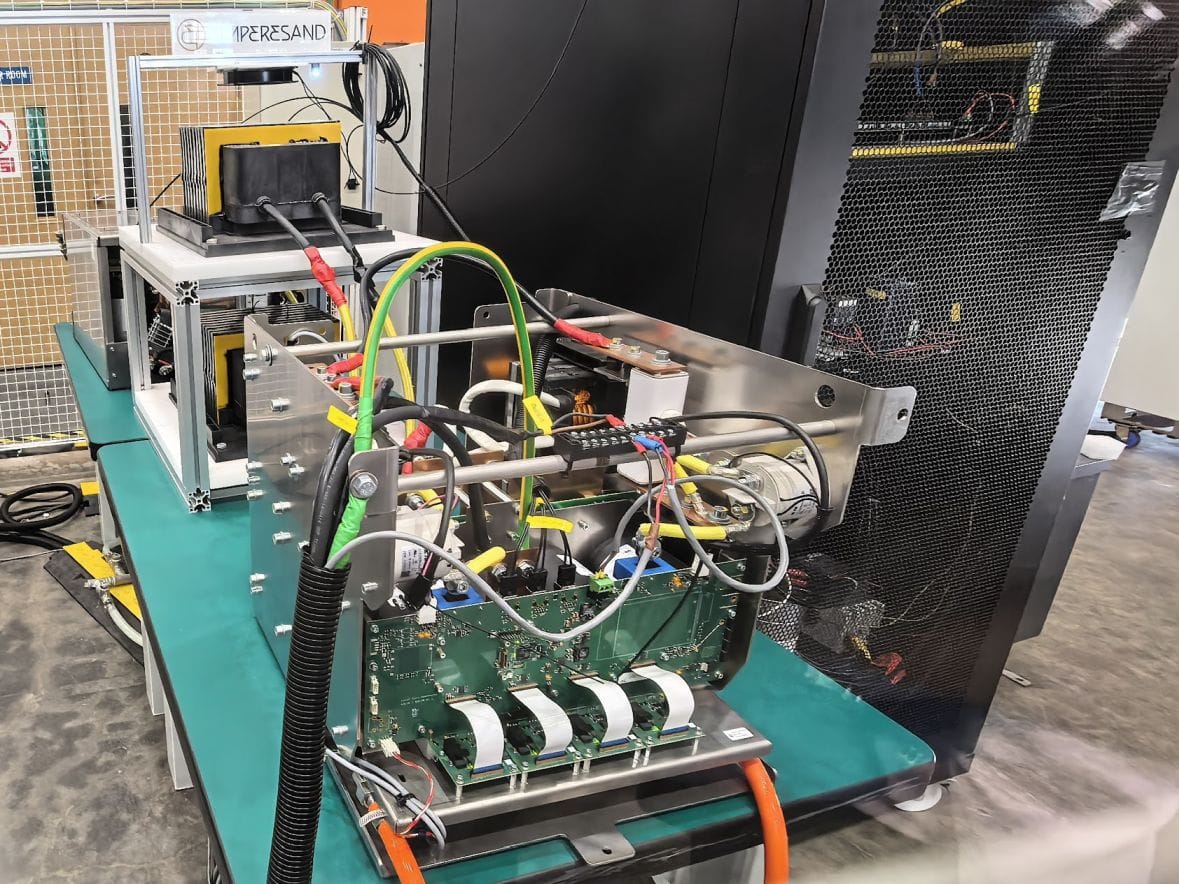
Located in Jurong Island, the FutureGrid Accelerator is a testbed to test and refine HVDC (high-voltage direct current) electrical systems using real AI servers.
By integrating HVDC with actual AI workloads, the goal is to gain competency in managing DC power systems to eventually develop new standards for data centres.
At the media event held in Jurong Island today, STT GDC's Mingcheng Lim noted that AI infrastructure is pressing against the limits of traditional AC electrical systems and how HVDC offers the answer.
STT GDC also signed MOUs with ITE, SP, NTU, and NUS to provide internship placements, as well as various training on AI, sustainable energy systems, and HVDC.
DC benefits
Though AC electrical systems have served us well, they are reaching their limits for ultra-dense AI infrastructure, explained Mingcheng.
Multiple power conversion stages introduce inefficiencies, with enormous infrastructure complexity in the form of electrical switching, transformers, and redundant electrical pathways. On its part, HVDC can simplify the electrical distribution system and eliminate multiple conversion stages.
The outcomes are nothing to scoff at: around 30% improvement in overall energy efficiency, and major savings in space and materials with less copper and fewer components required.
The DC data centre
Nvidia's upcoming Rubin Ultra GPU has cast HVDC into the limelight. Beyond cutting-edge AI systems, is there room for it in the data centres of the future?
The main challenge for HVDC adoption could be the lack of standards and awareness, Teong Chuan Y., who heads R&D at STT GDC, told me.
Another could be a lack of skillset: HVDC expertise and operational know-how. The second is easy to overlook but is a critical aspect that the testbed hopes to address by bringing in practical knowledge to be shared.
Will data centres of the future turn to HVDC? Hybrid deployments are likelier than a pure HVDC facility, says Teong Chuan.
In my view, here are two things going for HVDC. Even without AI workloads, HVDC can help ever-larger data centres cut down significantly on energy losses. And when one considers the fact that renewables such as solar photovoltaics produce DC, HVDC makes even more sense.
What do you think of HVDC in the data centre?