Singapore's data centre bets look better with hindsight
Criticised early, vindicated later, from Tanjong Kling to the moratorium.

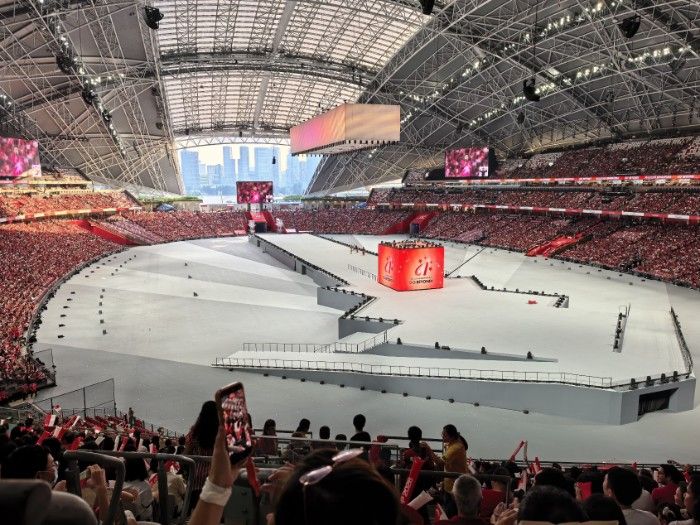
Singapore's data centre bets were called premature, then called restrictive. As the country celebrates its 61st birthday, hindsight has been kinder than the critics were.
Three decisions stand out, and each one looked questionable at the time.
Singapore Data Centre Park
When the Singapore Data Centre Park (DCP) was announced, it came on the heels of the Tseung Kwan O (TKO) data centre park in Hong Kong. TKO fizzled out, with new growth only happening recently.
Uptake of the DCP was slow, too, as colocation providers fretted over a lack of differentiation from the competitors next door. That probably contributed to it being renamed "Tanjong Kling", news I broke in 2017.
Looking back, the idea wasn't a bad one. It was merely ahead of its time. Today, every new data centre campus in Johor has at least as much capacity as the whole of Tanjong Kling.
Subsea connectivity
Because of its relentless focus on building subsea cables, Singapore is one of the most connected markets in the region, with 28 operational subsea cables. Yet it wants to double its capacity for cable landings, with at least 13 additional systems reportedly under development.
Subsea cables take years to plan and build, which is precisely why the head start matters. This hyper-connectivity will only make Singapore an even more attractive hub for cloud players, Internet exchanges, and a growing number of neoclouds.
Moratorium and controlled growth
Singapore was the first to hit pause on data centre development in 2019 as it sought to fulfil its climate obligations. The moratorium lasted three years before giving way to an era of controlled growth.
At the time, that looked restrictive. Today, cities like New York have imposed a moratorium on large data centres, and the issue has become a political hot topic in many more regions, such as Australia.
Where will this lead? I personally believe data centres are the foundation of modern societies. But unchecked growth at the expense of local communities will no longer be tolerated.
Sustainable data centre growth
And this is where Singapore's stubborn insistence on sustainable growth might prove prescient. Right now, IMDA is reviewing DC-CFA2 submissions, which mandate 50% low-carbon energy, the highest bar globally.
Elsewhere, governments are building the machinery to steer this themselves. In 2025, Malaysia set up the Data Centre Task Force, while Thailand this week approved the establishment of a Data Centre Business Policy Committee.
Back home, the initiatives being explored include floating data centres, a sustainable data centre park on Jurong Island, and new standards for data centres and digital infrastructure. None of them will deliver capacity tomorrow. Then again, neither did the cables or the park, and that has not been the point.
What comes next is worth watching closely, because the pattern is now clear: Singapore tends to be early rather than wrong. Majulah Singapura.