Thailand's data centres will soon have to pitch for power
New draft standards and a competitive approval process for electricity and water.

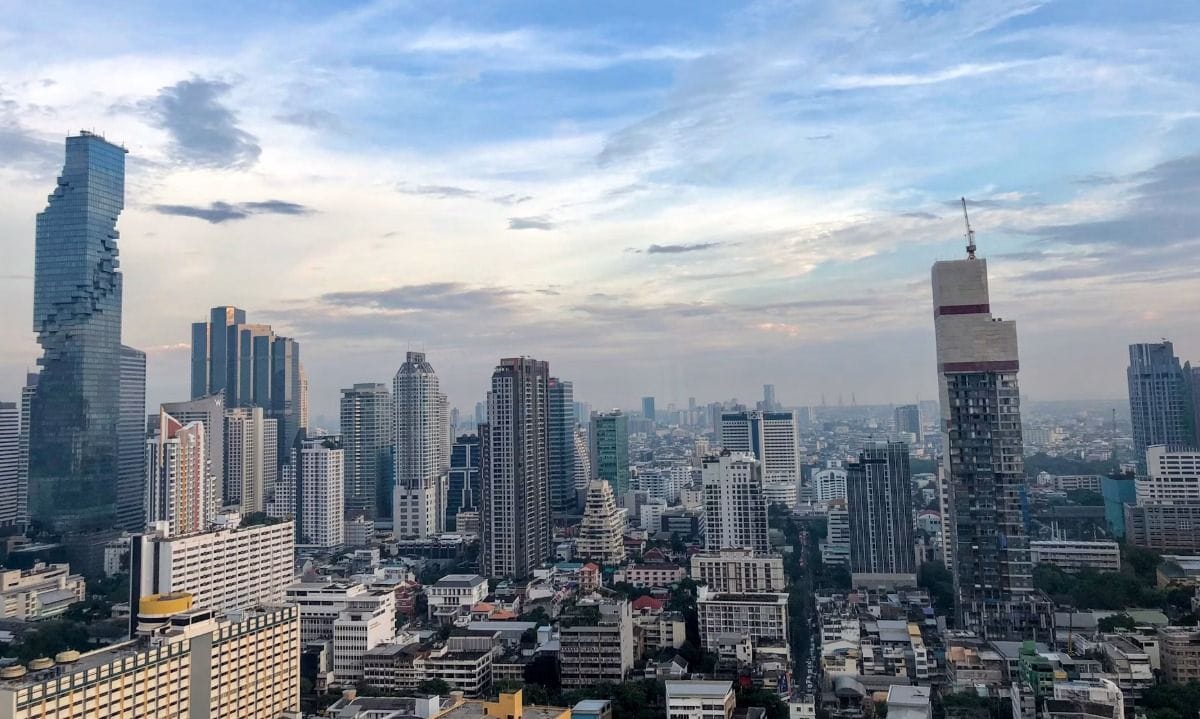
Thailand abruptly paused data centre construction in September, in the wake of community unhappiness after some data centres were found to have flouted city-planning and factory rules in Bangkok.
In response, a National Data Centre Policy Committee chaired by the deputy prime minister was formed, and new minimum standards covering environmental limits, site safety and infrastructure impacts were promised.
The new baseline
More details have emerged after the Data Centre Board reviewed a draft proposal last week, according to media reports. Notably, data centres have been designated a national priority sector.
The draft standards are concrete. Operators must treat blowdown before discharge, exhaust outlets must not be a nuisance to neighbours, and automatic fire suppression must cover the entire facility.
Existing data centres will have a year to upgrade their fire protection, emergency power and environmental measures. They are exempt from the structural regulations unless they seek alterations in the future.
Overall, the rules are relatively simple, and in my view, they are meant to prevent less scrupulous operators from cutting corners.
Data centre tiering
What is more interesting is how data centres will be divided into seven tiers based on power demand.
Broadly speaking, Category 1 covers facilities from 0.5MW to under 1MW, and Category 2 runs from 1MW to under 5MW. Categories 3.1 to 3.3 span 5MW to under 50MW, Category 4 covers 50MW to under 200MW, and Category 5 is reserved for anything above 200MW. Reserve fuel storage is also stipulated.
In practice, traditional data centres would fall within Category 3. Most hyperscale and AI data centres would land in Category 4, while only the largest campuses would qualify as Category 5.
Pitch for power
The standards are only the first step. New data centre applications are expected to reopen in early 2027, presumably alongside a regulatory framework for data centres in Thailand.
According to news reports quoting Nan Boonthida Somchai, deputy minister of digital economy and society (DES), the framework will entail a competitive approval process. Rather than applying separately for each, new projects must pitch for access to electricity, water and investment incentives based on what they contribute to the economy.
The framework will also distinguish between operators whose facilities are already under construction or awaiting opening, and new applicants seeking permission to invest.
Which leaves the question that matters most for the region. Will a competitive approval process attract better-quality investment, or push operators towards Malaysia and Indonesia instead?