Malaysia and Australia are tightening the rules. Data centres will be fine.
We need more inference capacity, built to a higher standard.

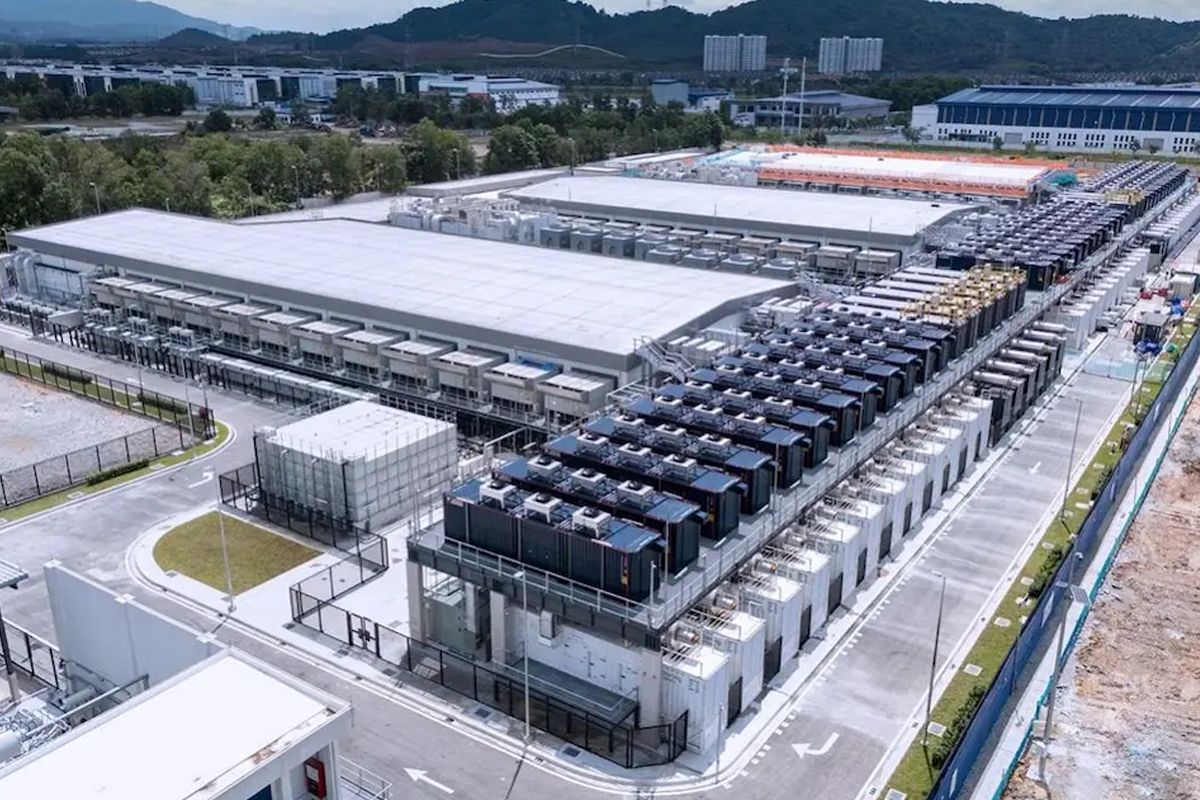
As Malaysia and Australia pump the brakes on AI data centres over resource concerns, are they doomed? My opinion: far from it.
AI data centres have been making the news for the wrong reasons lately. Earlier this month, New York imposed a one-year moratorium on large data centre construction.
Separately, Australia and Malaysia are both mulling changes to their regulations around AI data centres. So what's happening?
Australia draws a line
Australia is moving towards mandatory rules for large AI data centres that make operators carry more of the energy, water, and infrastructure burden themselves.
A set of AI standards could require them to be net producers of energy and limit their water use, according to a Reuters report two weeks ago. Legislation on the standards will be introduced early next year, and an "Office of AI" reporting directly to the prime minister will be established to coordinate implementation.
"Every country on earth is grappling with these challenges right now. Australia will be the first country in the world to bring these issues into a single, national framework," said Australian Prime Minister Anthony Albanese.
Malaysia recalibrates
Malaysia is taking a different route to a similar destination. The Edge reported last week that the country is rethinking investment incentives and how it attracts foreign investment in the wake of large data centre projects.
Malaysia has been the site of an incredible surge of growth, particularly in Johor, which I've argued is a once-in-a-generation phenomenon. That pace has prompted the government to reassess its approach.
Last year, it changed how electricity tariffs are calculated for energy-intensive industries. Regulators have since rolled out tighter utilisation thresholds to prevent speculative over-allocation, which is to say, to stop capacity being booked by projects that may never draw it.
Building them properly
Here's why none of this spells the end of the buildout. I believe AI has tipped from hype to useful work. And like electricity, the internet and smartphones before it, AI is set to become foundational to modern society.
This means we will need more data centres to support AI inference, not fewer. The only question is how to build them sustainably.
That shift is already under way in Malaysia. Data centres I've seen launched recently in Johor either reclaim or treat their own water. Expect standards to keep tightening from here.
What struck me was how prescient a remark from two years ago now sounds. At a data centre launch, Singapore's Minister of State Dr Janil said: "This challenge [of sustainability] is not unique to Singapore; eventually, all of us, wherever we are in the world, are going to be faced with these constraints."
He was right about the destination. I suspect few expected things to move quite so quickly.