Is your air-cooled data centre leaking money?
Misaligned panels and door gaps quietly push energy use up.


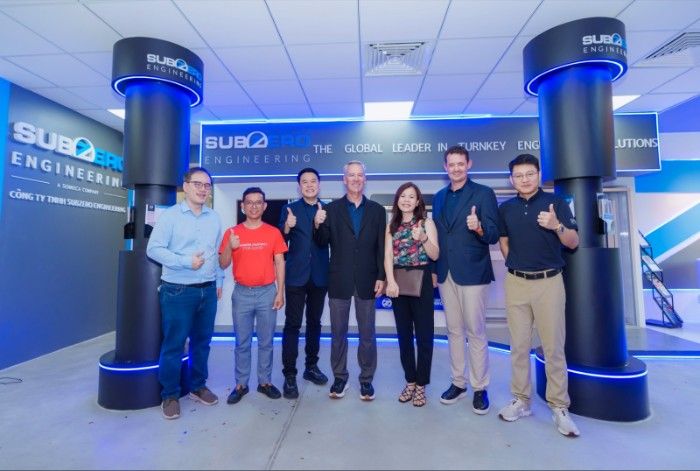
Small leaks, big bills. My visit to Subzero Engineering's Customer Experience Centre in Ho Chi Minh City gave me a new appreciation for data centre containment.
Here's what I learned, and why containment isn't going away.
Containment, explained
For all the talk about liquid cooling, air-cooled data centres will stay with us for many years yet. Indeed, I expect some workloads might never transition to liquid cooling at all.
This is where containment comes into the picture. Within the data centre, containment refers to the components installed to stop hot and cold air from mixing. They come in the form of aisle roofs, gap fillers, side panels, rack-top baffles, end-of-row doors, and curtains or flexible strips.
Together, these components enable hot and cold aisle containment, a highly effective technique for improving air-cooling efficiency. And everyone uses it, from hyperscalers such as AWS, Google and Microsoft, to colocation operators, and even edge data centre deployments.
How hot aisle containment works
Hot aisle containment works by enclosing the hot aisle, which becomes a sealed duct that channels all the heat back to the cooling systems.
That arrangement lets cold air circulate in through the front of the racks, pass through the servers for cooling, and get expelled from the rear as hot air. As you can imagine, none of this is possible without containment solutions. Done well, containment also increases usable cooling capacity by preventing cold air from being wasted.
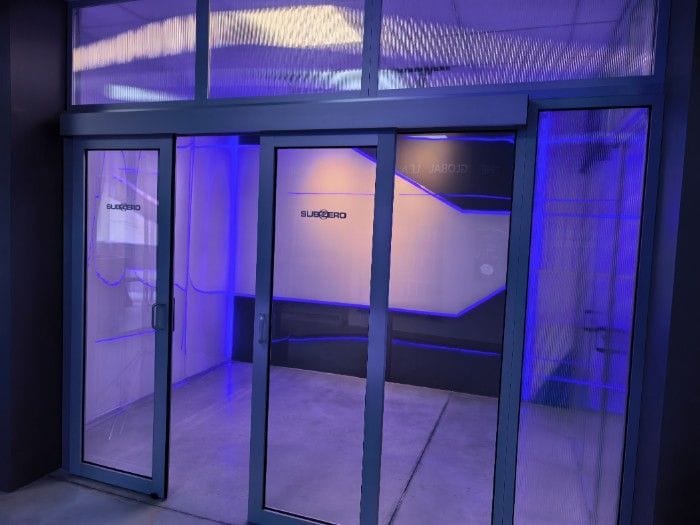
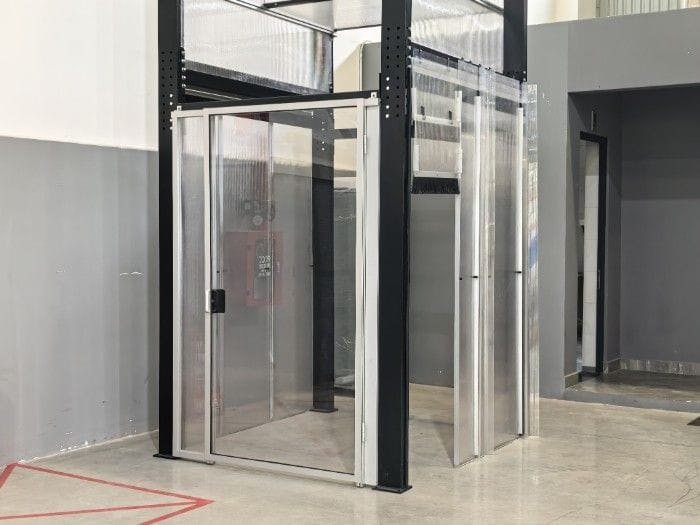
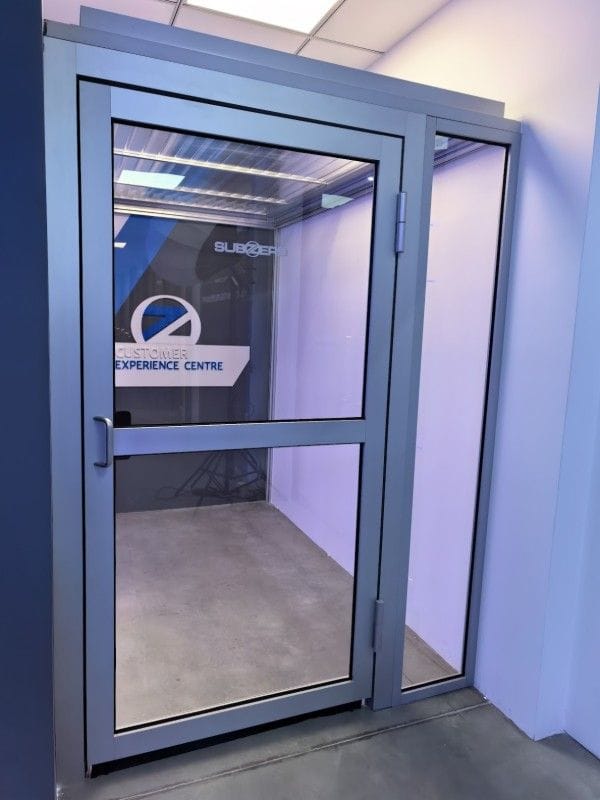
The devil is in the gaps
Here is one thing I didn't realise until I read more about it: quality absolutely matters with containment. Even small leaks can be detrimental, and they hurt in two directions.
The first is cold conditioned air leaking to the return path without passing through the servers, which wastes fan energy and raises the PUE. The second is hot exhaust leaking into the cold aisle, raising server inlet temperatures and creating hot spots that force cooling setpoints to be lowered, increasing energy use.
And since data centre deployments are typically installed once and then left in place, missing gap fillers, misaligned panels, or door gaps will cause inefficiency to pile up throughout the system's operating life.
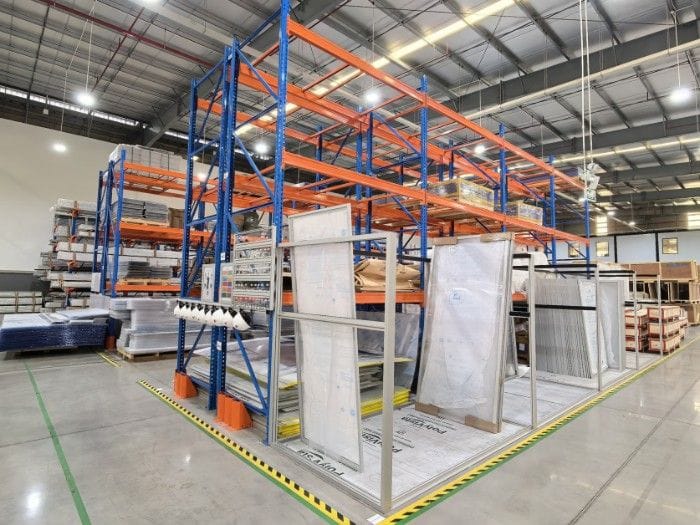
Deceptively simple
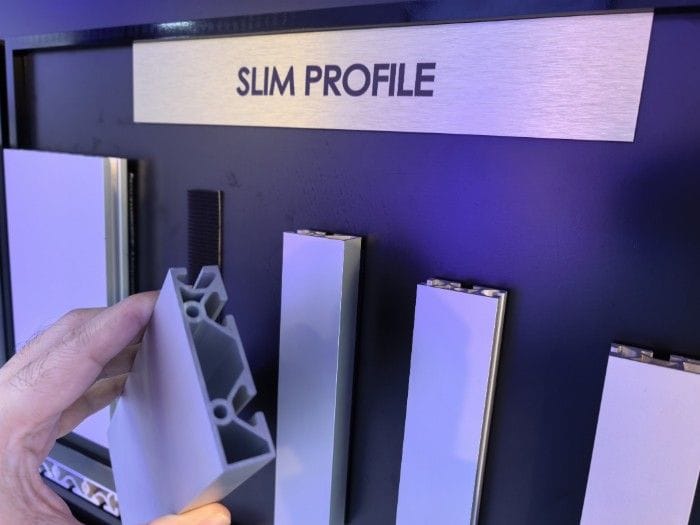
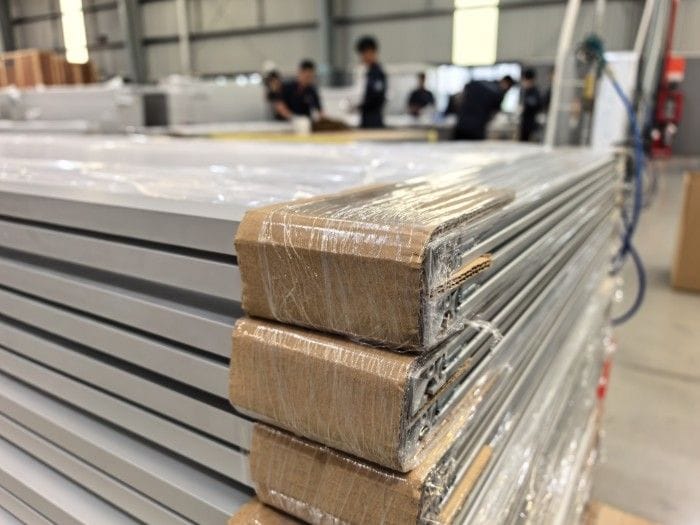
Containment looks unremarkable on paper: doors, panels, and support posts. It's not something I had given much thought to before.
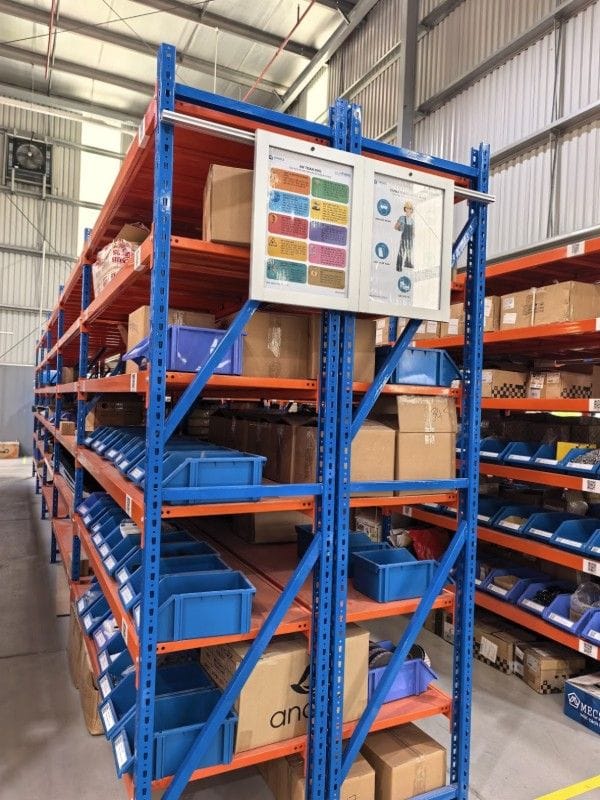
But after examining and handling the actual components at Subzero's factory in Vietnam, I came away with a greater appreciation for the build quality and installation precision needed to keep hot and cold air apart. Which raises a fair question for anyone running a facility: what other seemingly unremarkable systems are quietly doing crucial work in your data centre?