How Singapore turned reclaimed land into an industrial powerhouse
And how the JTC and EDB are redesigning a national success story.

Did you know that Jurong Island is a top 10 refinery export hub? And it's now aiming to become a sustainable energy hub, complete with a data centre park.
For a nation that doesn't have oil, the efforts of JTC and EDB are monumental. But the island is already looking to the future. Here's how they got there, and what comes next. And yes, it includes data centres.
From sea to top hub
Jurong Island is really seven offshore islands, reclaimed over more than a decade. The initiative added 22 sq km of reclaimed land to the 10 sq km of the original islets.
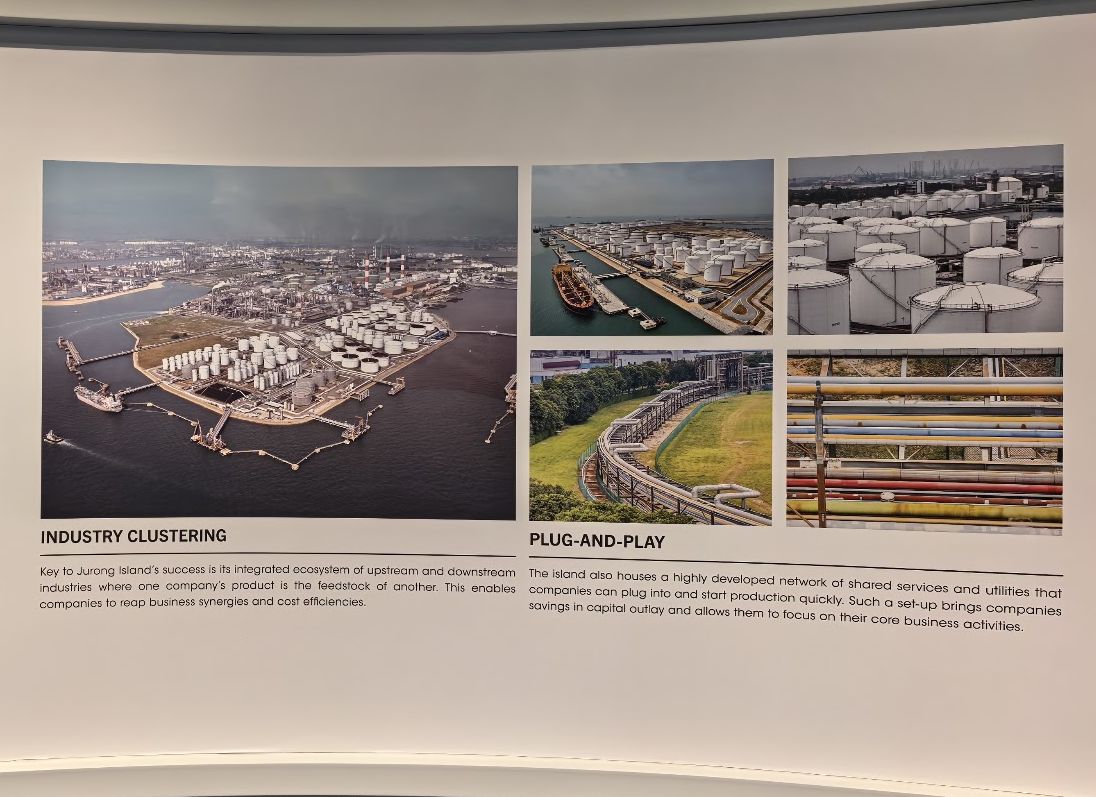
But this isn't just about land reclamation and the ability to entice related industries to set up here. Behind the scenes, JTC has established a deep base of shared capabilities. There are service corridors for pipelines and cables, industrial water and wastewater treatment, storage facilities for chemicals and liquid products, and piped utilities such as steam, seawater, and de-mineralised water.
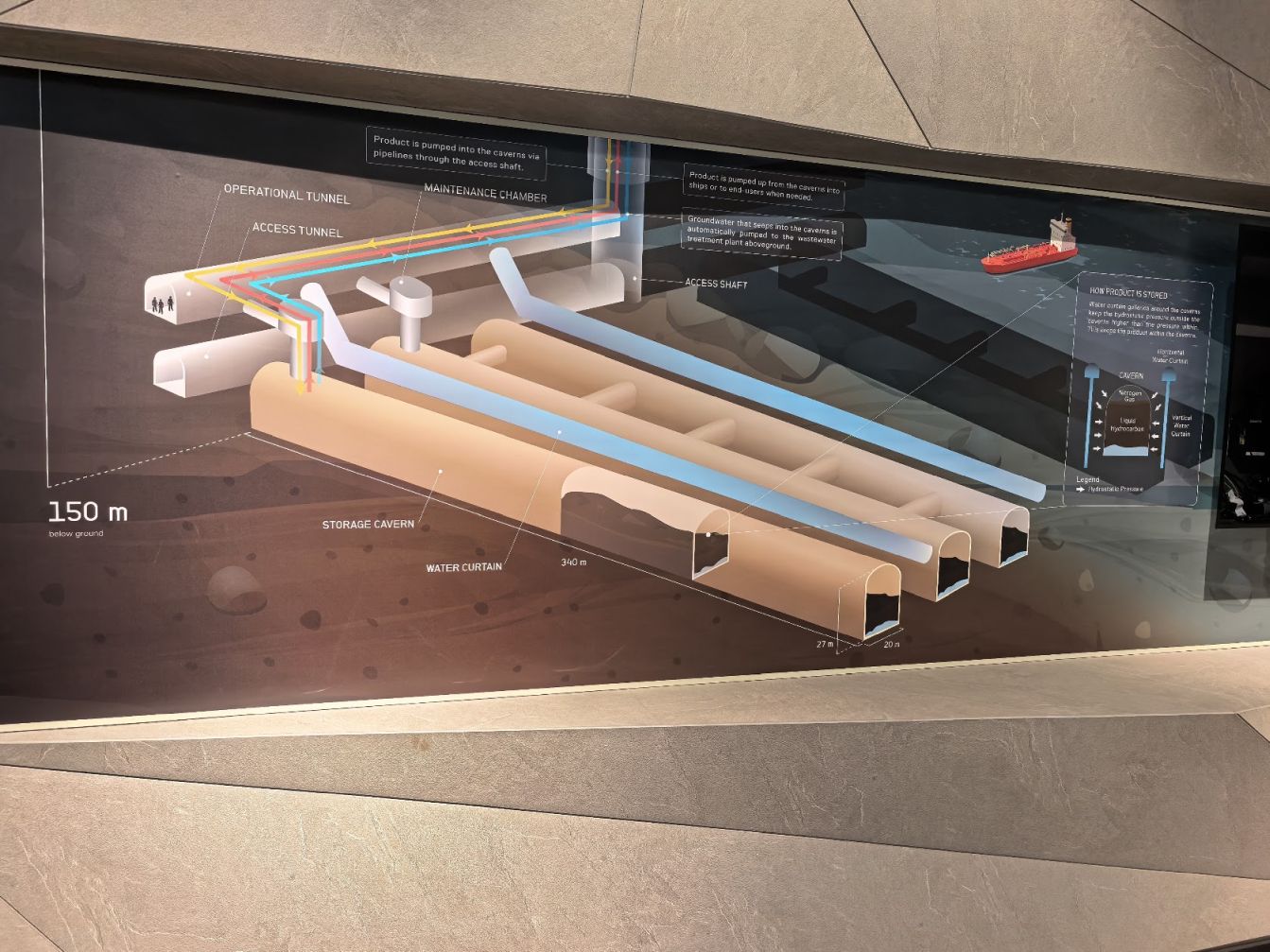
Jurong Rock Caverns, a commercial liquid hydrocarbons storage facility, was completed in 2014. The size of 84 football fields, it holds the equivalent of 600 Olympic-sized swimming pools.
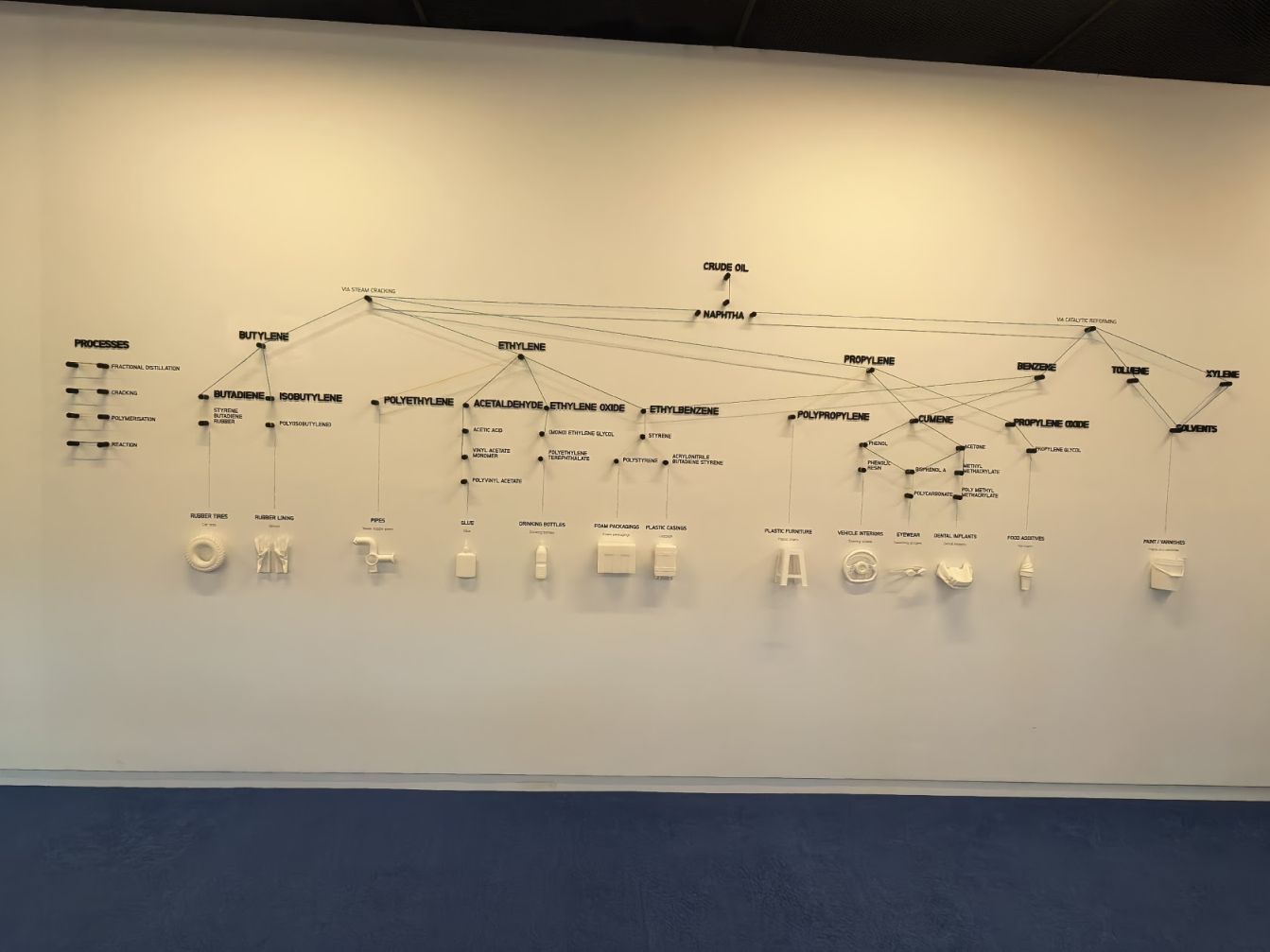
Together, the result is an ecosystem of more than 100 global firms that complement each other, connected by 100km of pipelines. Raw materials, utilities, storage, and manufacturing, all clustered on one island.
An ongoing concern
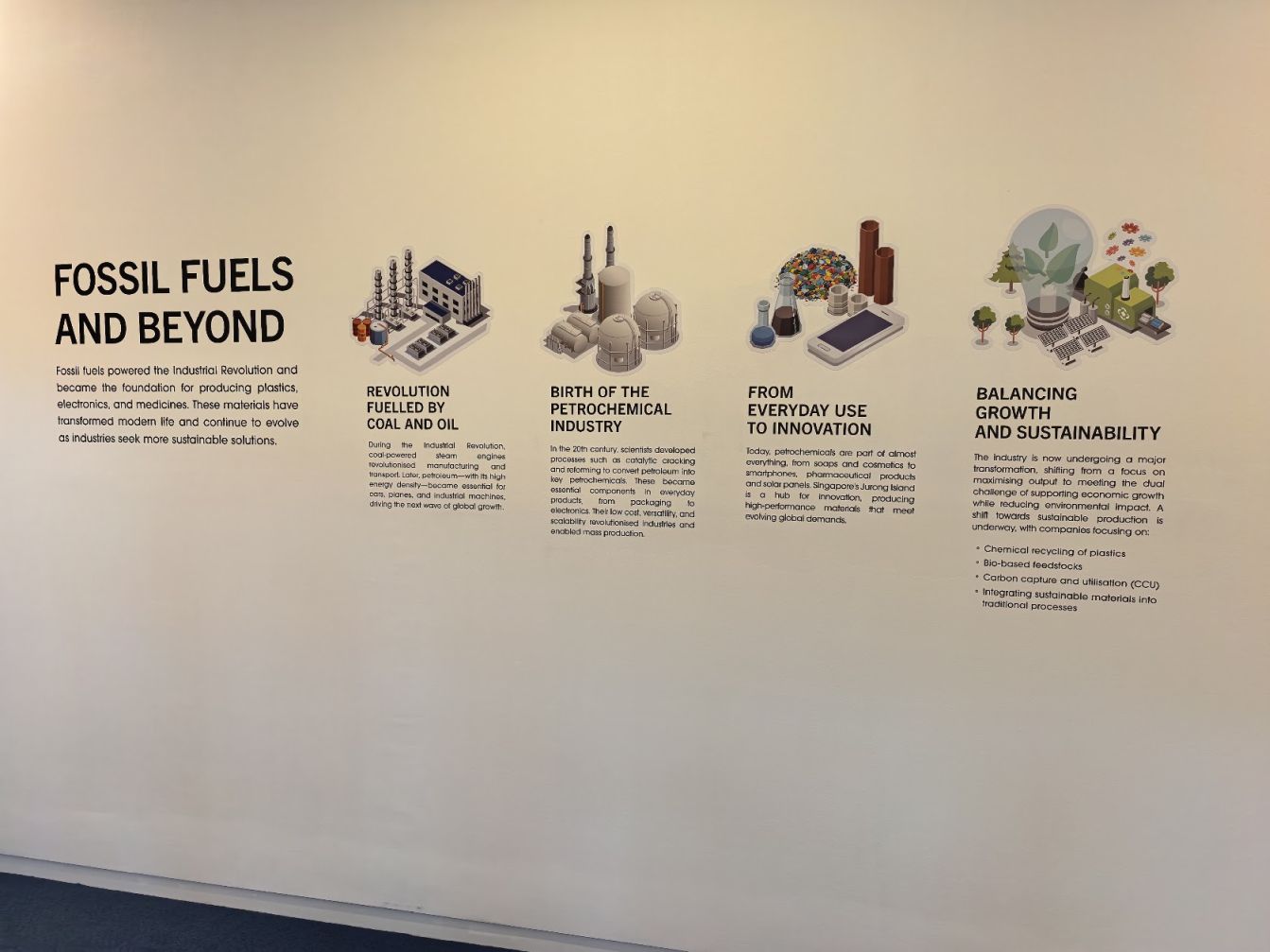
But Singapore has its eye on the future, one with a focus on sustainability. The current roadmap, announced by JTC and EDB in October 2025, sets aside roughly 300 hectares, about 10% of Jurong Island, for renewable power, low-carbon energy projects, and a sustainable data centre park.
Several of these projects are already ongoing. They include a 118MWp solar deployment, nine hydrogen-ready power plants, and a 326MWh utility-scale battery system.
And then there is the sustainable data centre park, which JTC graciously took me on a tour of.
A sustainable data centre park
Singapore was among the first to launch a data centre park more than a decade ago. Now simply known as the Tanjong Kling cluster, I wrote extensively about it at the time.
But why the focus on sustainability? And why a sustainable data centre park?
According to a report from Iron Mountain Data Centers and Baringa, Singapore is at an inflection point. The foundations of its past industrial success must now be redesigned for a low-carbon, AI-driven economy.
Two major forces are converging, says the report, titled "Towards 2050: Singapore's Digital-Industrial Future". The first is the rapid growth in AI and data centres. The second is the need to decarbonise.
By connecting the dots between energy, industry, and digital infrastructure, Jurong Island could become a testbed for a new industrial model. That's the real question worth sitting with: can a place built on oil become the blueprint for what replaces it?