Has AI crushed enterprise software? Oracle says it's the opposite
Three takeaways from Oracle AI World.

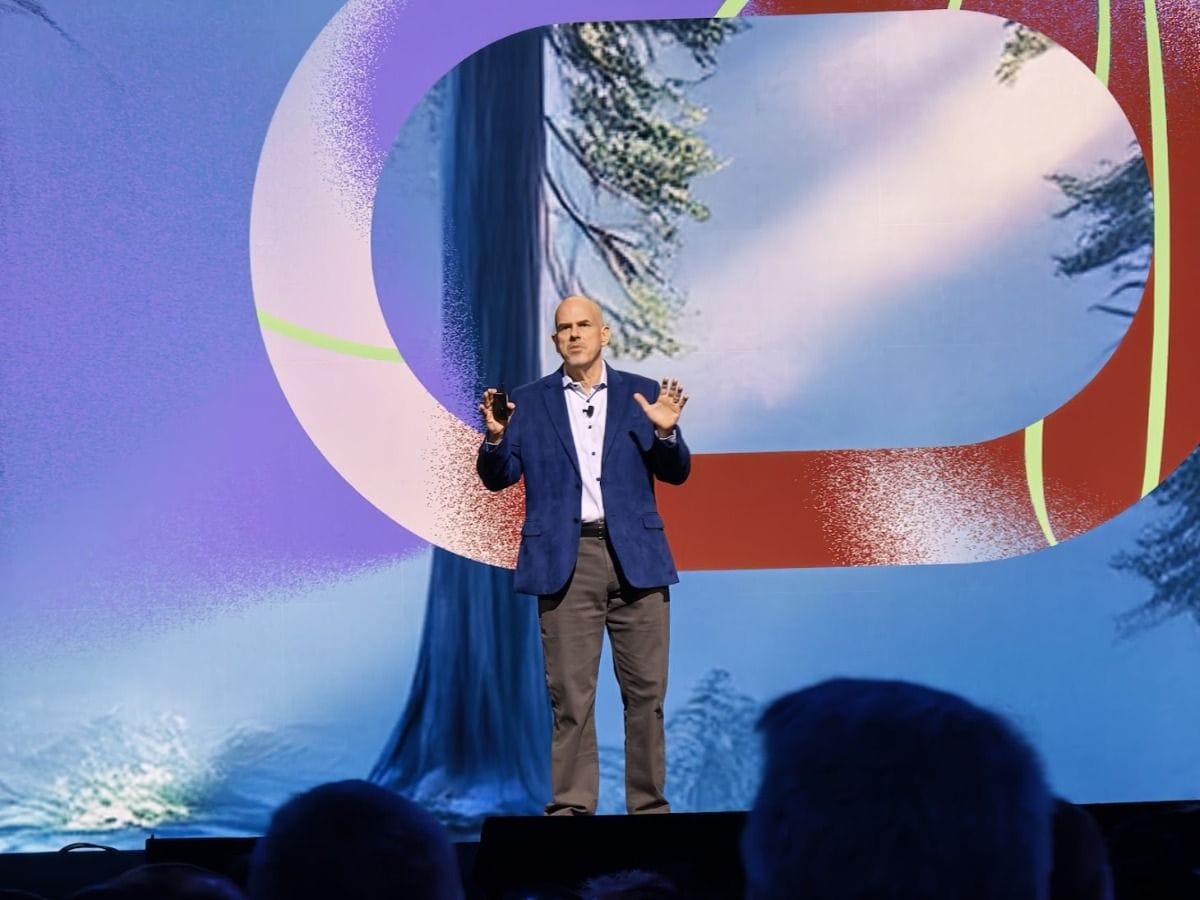
Enterprise software used to tell you how to work. At Oracle AI World, Oracle showed the reverse, and it hammered the point home in demo after demo.
How? With AI, of course.
At its annual tech conference in Las Vegas, the company made clear that it is all-in on AI. The opening keynote was almost exclusively about new AI capabilities, much of it already shipping. Here are three impressions I walked away with.
AI is in the enterprise
Think enterprise software will get crushed by the onslaught of AI coding? Turns out enterprise software has embraced AI instead.
Indeed, the various demos and products underscored just how deeply AI is being integrated into the enterprise, leveraging existing data, permissions, and workflows rather than working around them.
Two examples stood out. The first is Fusion Claw, a new AI planning runtime that powers 25 agentic applications across multiple solutions. Given a task, it plans the work, verifies it, runs it, and produces an auditable record of every step along the way.
The second is Fusion Companion. With this, users simply describe the task, and Companion figures out how to get it done. There is no need to specify the page, the form, or even the workflow.
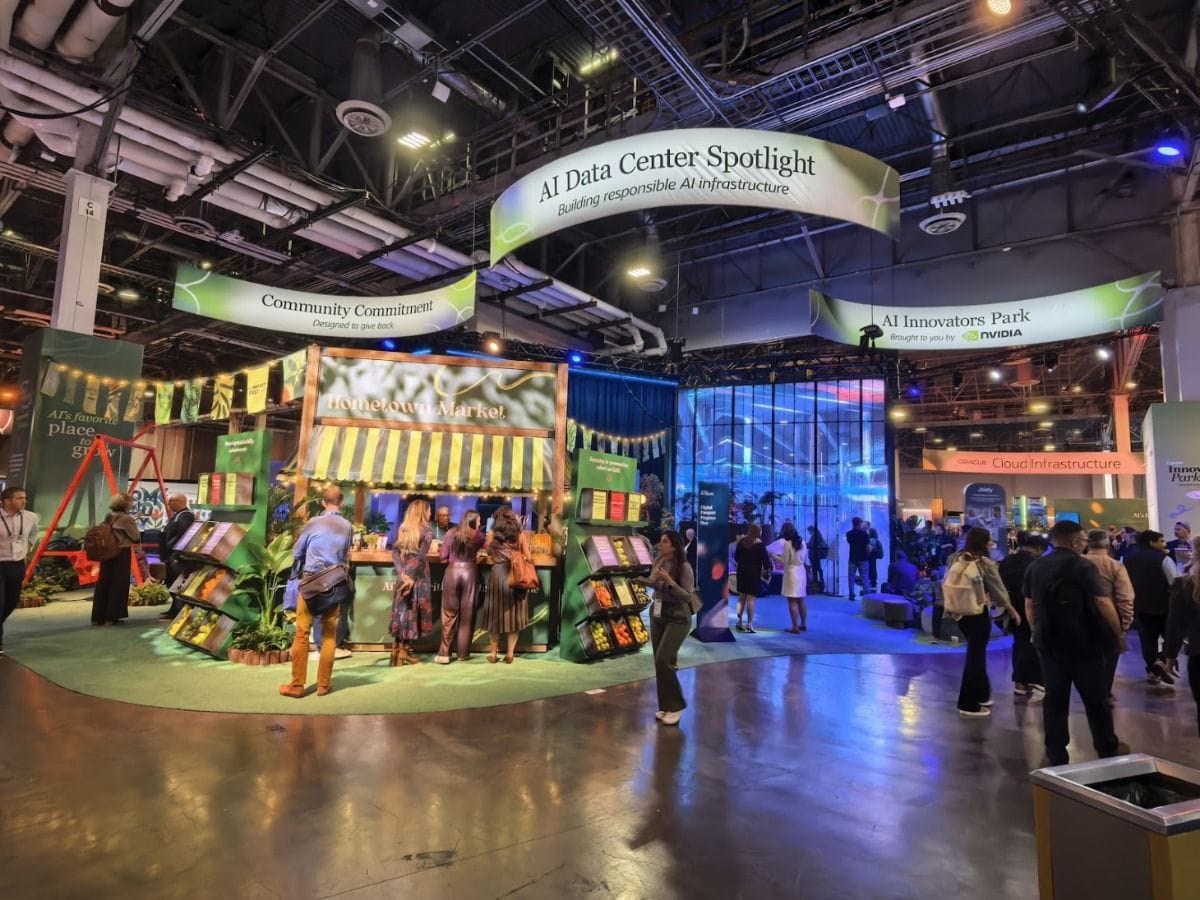
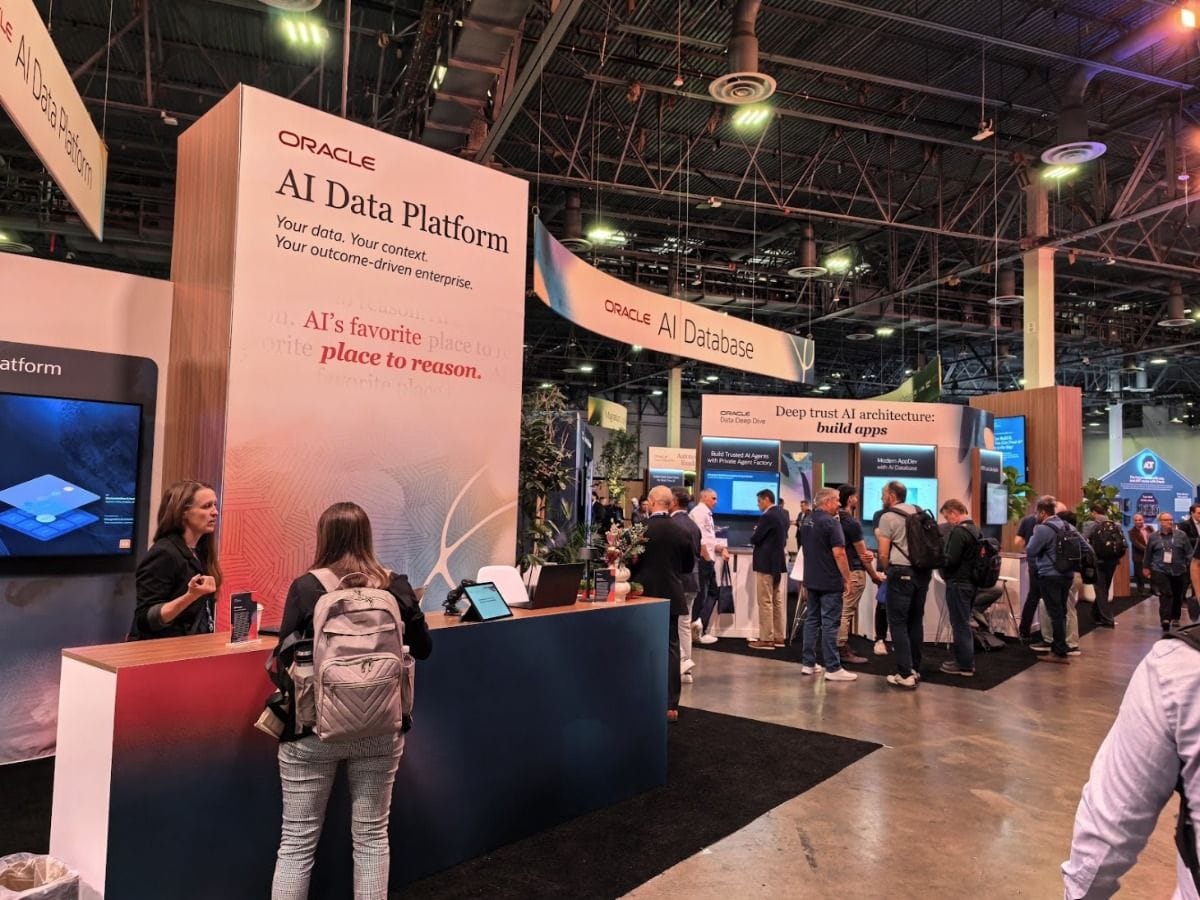

Photo Credit: Paul Mah
The sky's the limit
Oracle also showed us how it embedded forward-deployed engineers with Burger King Italia, shadowing restaurant managers to build a "command centre" on top of Simphony and NetSuite.
The results, all powered by AI, were striking. Restaurant managers can now quickly and independently diagnose issues, such as a failing kiosk or a problem with their local systems, and fix them. IT issues can be found and resolved remotely across multiple restaurants without troubling individual managers. And new solutions can be built quickly, using image recognition and cross-store analytics to settle delivery disputes with data.
All this with a team of just "four to five" engineers. I'm sure that with the experience gained, the next team will be even smaller.
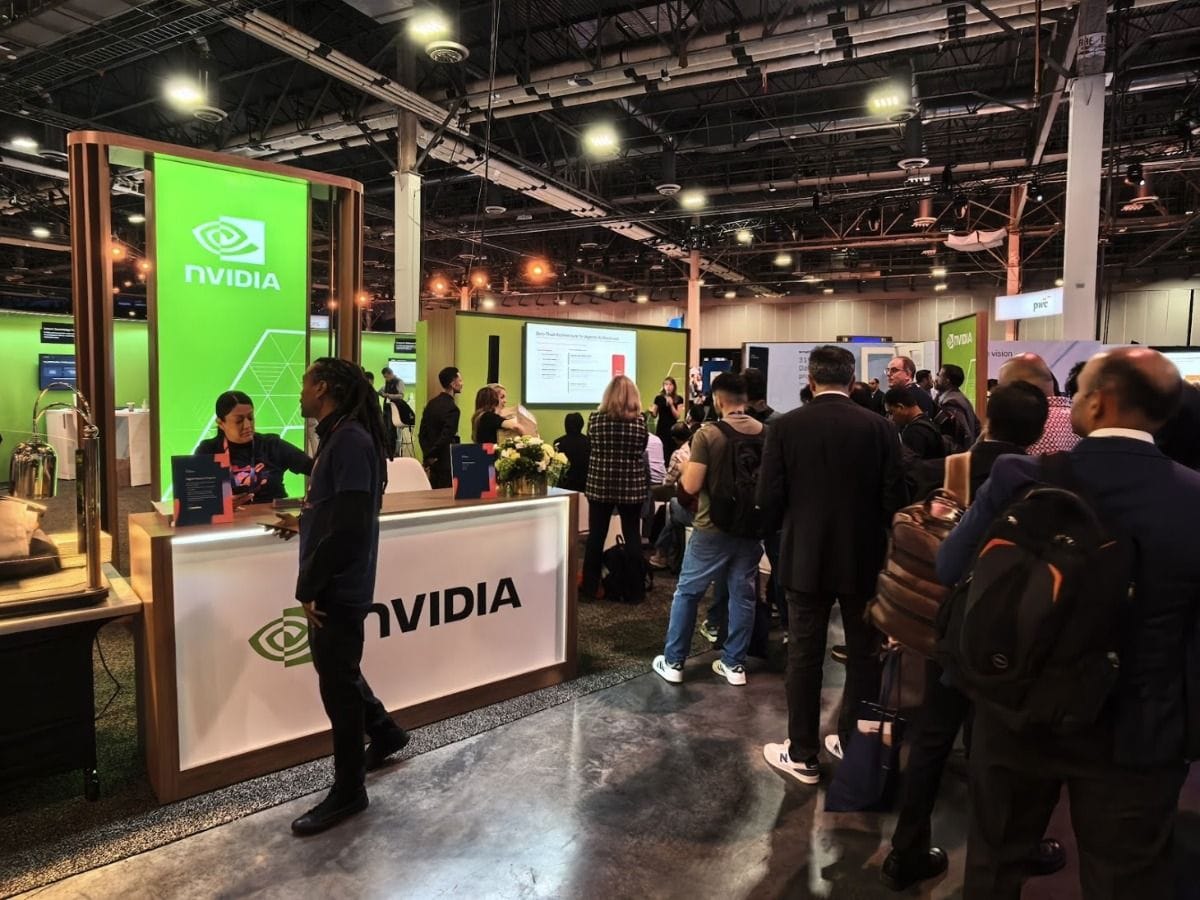

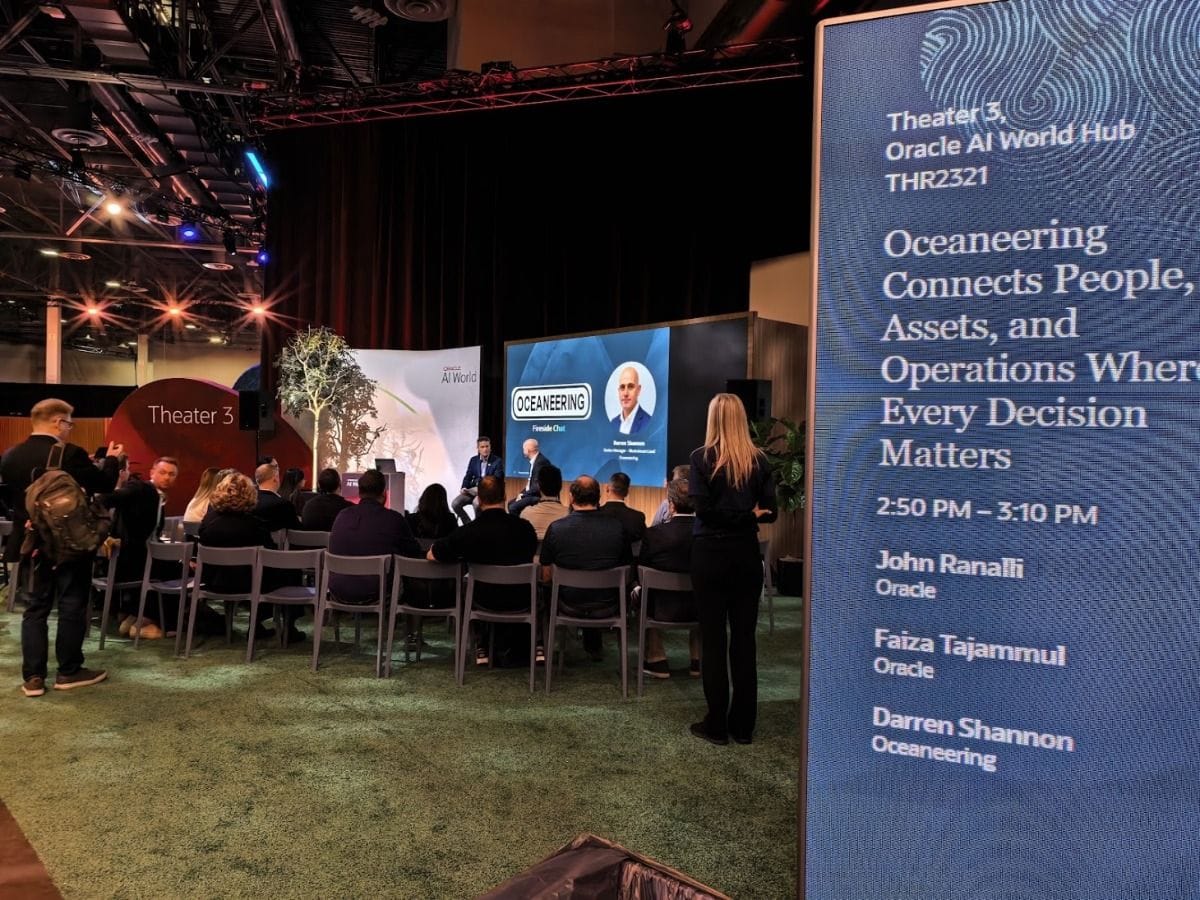
Photo Credit: Paul Mah
Fast and faster
A candid moment came when I half-jokingly asked Kaushal Kurapati, Oracle's GVP of Products for its AI Agent Platform, whether the sophisticated regression testing techniques he had just described to me were "built in six months?"
He took it seriously.
"Some of this honestly couldn't even have been possible about eight or nine months ago, because the models have improved so much and our own tool sets have improved so much," he said.
So maybe I was spot on.
"I've been working in AI my whole career, but still, I've never seen this pace of change," he added.
In a nutshell, an expert working at the bleeding edge just told me that things are moving crazily fast for him, and probably getting faster.
Which leaves me with one question. If the people building this are surprised by the pace, what does that mean for the rest of us?
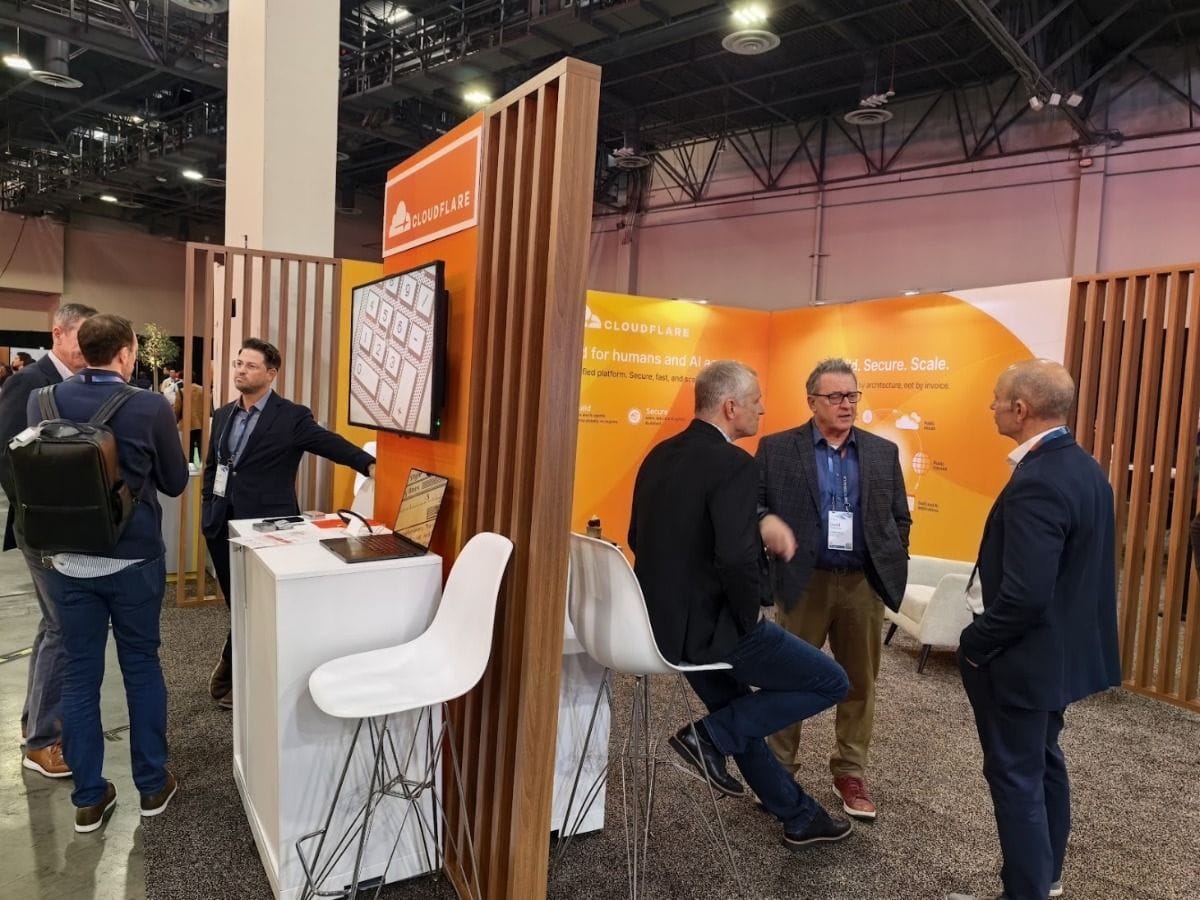
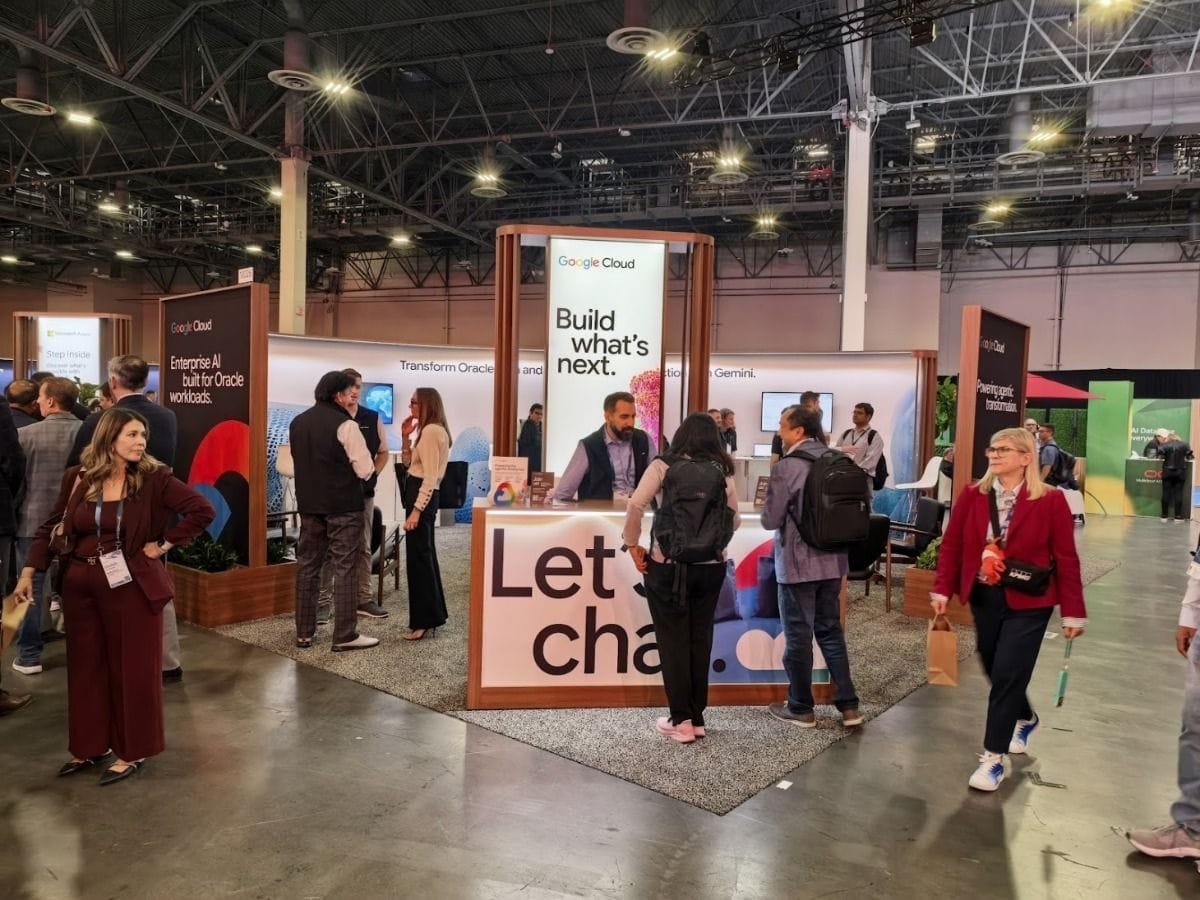
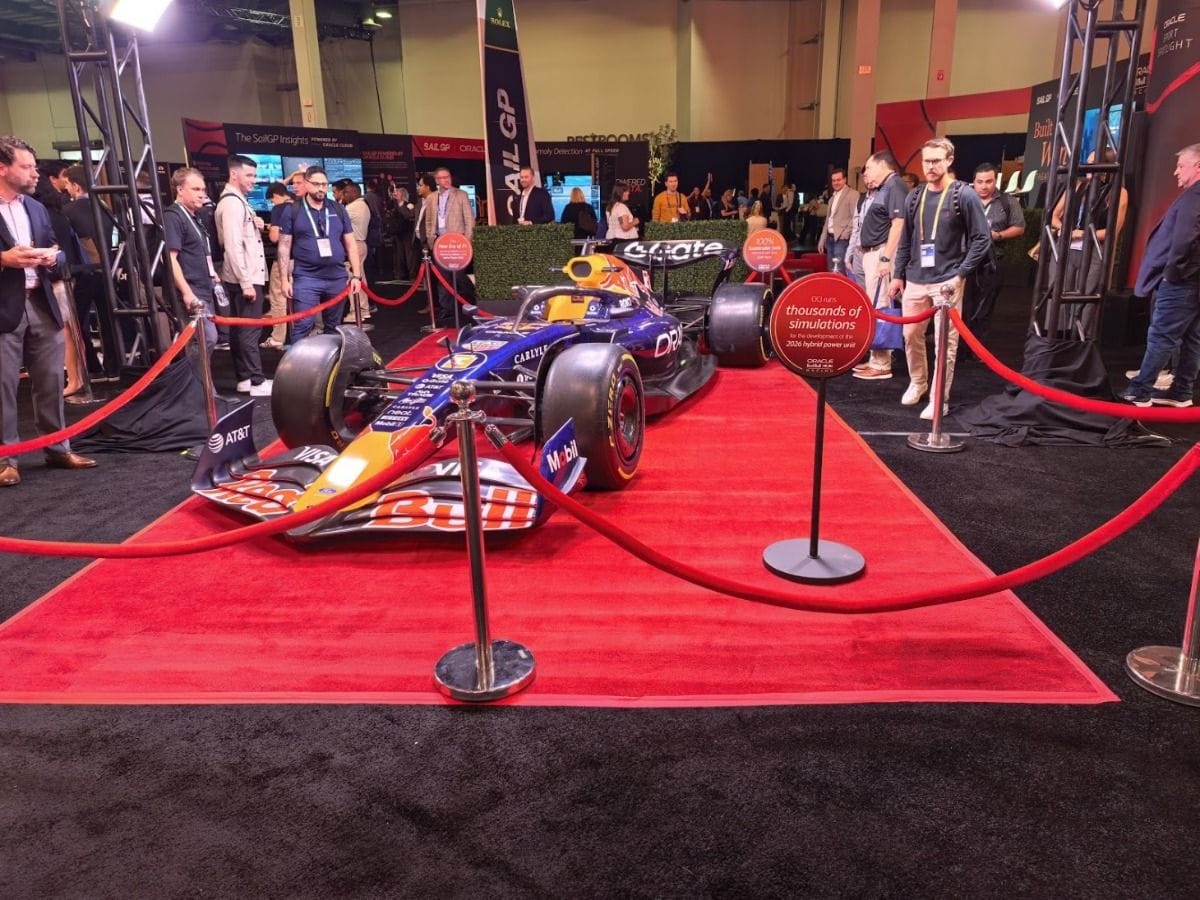
Photo Credit: Paul Mah