Could AI data centres in space actually work?
SpaceX thinks so. A closer look at its plan for a million orbital data centres.

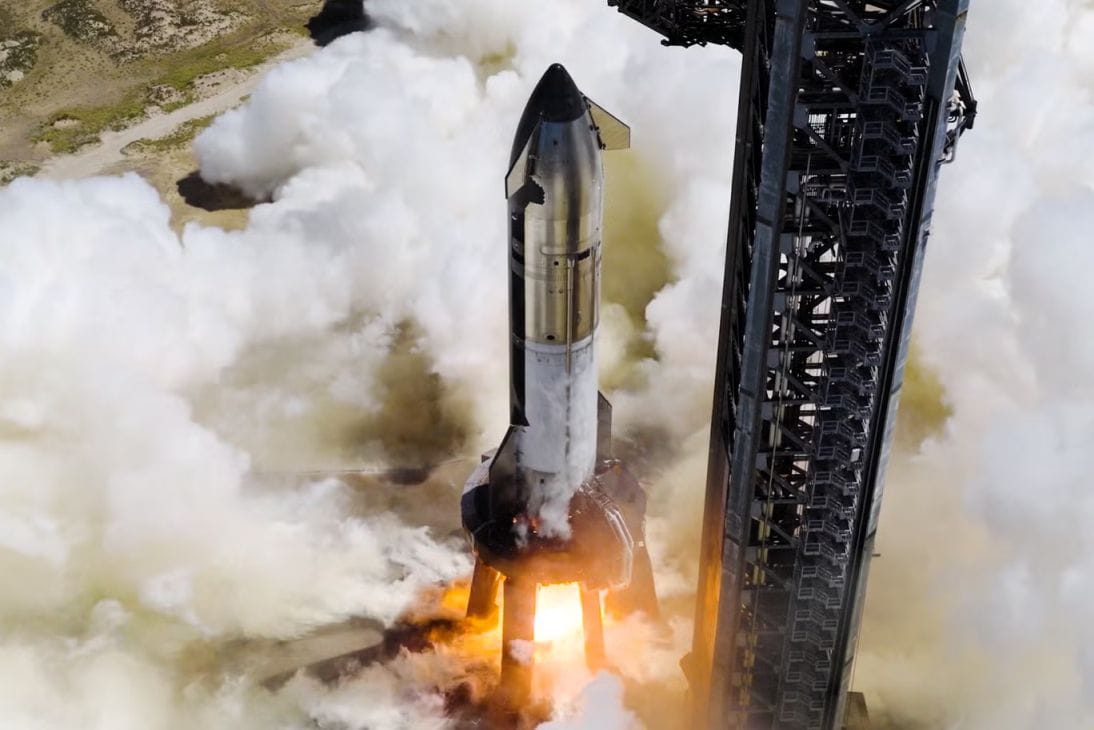
Elon Musk's SpaceX wants to put a million AI data centre satellites into space. What is the plan about, and does it even make sense?
Data centres in space
Last week, SpaceX filed plans with the FCC for up to one million "orbital data centre" satellites. According to the filing, the satellites will operate between 500km and 2,000km altitude at sun-synchronous orbit inclinations, and connect to Starlink satellites via high-bandwidth optical laser links.
Starlink satellites operate at 550km today, though there are plans to lower them to 480km. They sport comm lasers for up to 200Gbps, with future models expected to support 1Tbps.
The idea is simple. The orbital data centres will use solar energy for over 99% of operations. They will communicate via Starlink satellites, which will connect to ground stations.
Does it make sense?
I admit I disregarded the idea of data centres in space out of hand when I first heard of it. But I've since taken another look. I think it might actually work if several conditions are met.
The first is the ability to lift mass cheaply. The biggest cost is that of lifting objects out of earth's gravity well, but SpaceX has spent over two decades pursuing the goal of reducing the cost of access to space. For now, SpaceX itself points to the delayed Starship rocket as vital for lowering the cost of bringing compute to orbit.
The second is the type of workload. It doesn't make sense to send traditional data centre workloads to space. The higher end-to-end latency and limited bandwidth compared to terrestrial fibre optic cables immediately make this a poor idea. The only way this will work is to deploy AI data centres to leverage abundant solar energy for AI training.
The third is cooling. Though space is cold, radiative cooling is less efficient than convection and conduction on earth. However, limited details from the filing seem to suggest SpaceX is tackling this with smaller data centre loads of around 100kW per satellite. Paired with plans to launch a million satellites in a year, this could add up to an incredible 100GW.
My thoughts
Long-time observers have pointed out to me how space has always been Elon Musk's ultimate goal. Moreover, he is no fool and has arguably walked away richer from each of his ventures. Then there is Musk's staggering personal net worth, as well as his uncanny ability to raise capital from banks and investors to consider.
Of course, Elon Musk does have a history of making big claims but a spotty track record when it comes to meeting his own timelines. But if he says he wants AI data centres in space? I'm not betting against him.