AIMS bets big in Cyberjaya with 200MW land deal
AIMS finalises land acquisition in Cyberjaya for its largest data centre yet.

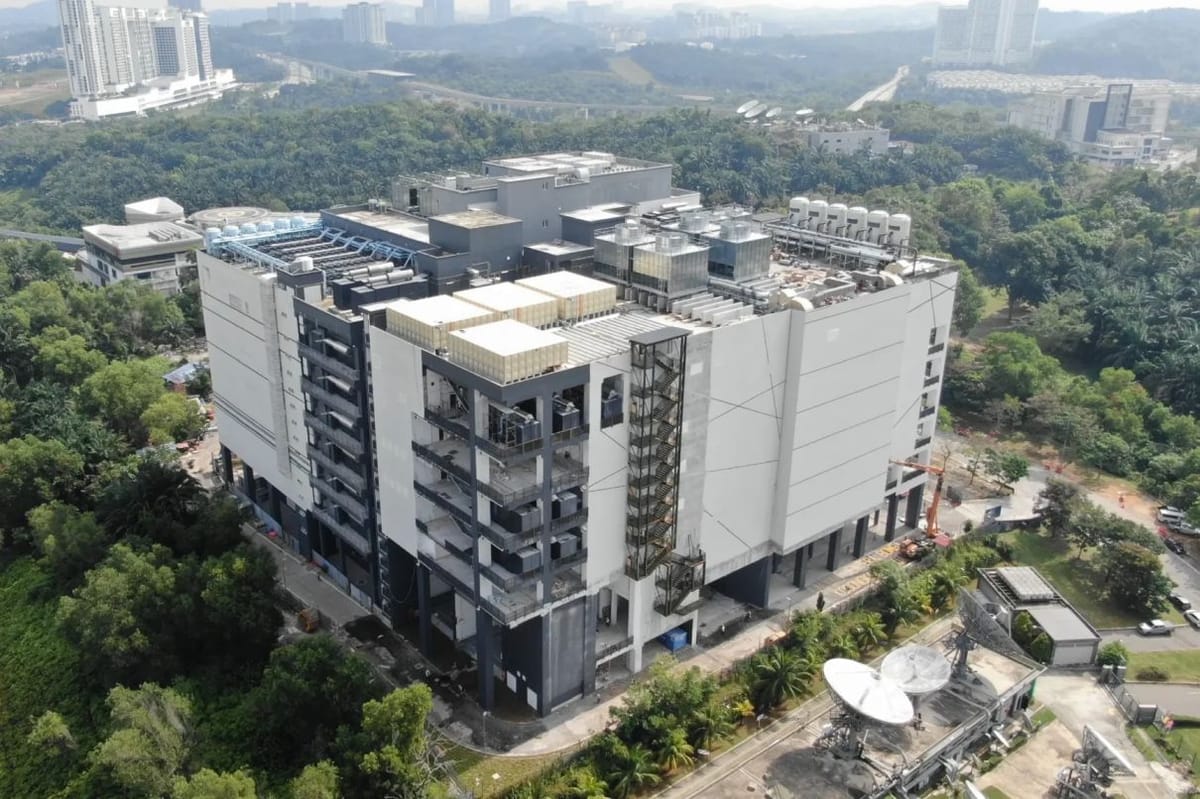
Malaysia's AIMS Data Centre has finalised the acquisition of 10 acres of land in Cyberjaya for a data centre of up to 200MW of capacity. It would be the homegrown operator's largest facility by far.
New data centre
According to the press release, the newly acquired parcel in Cyberjaya will host AIMS' next data centre with a planned capacity of up to 200MW. If all goes according to plan, AIMS says it is scheduled for completion in 2027, though the planned capacity is still pending final engineering confirmation.
In July 2025, AIMS announced the completion of Cyberjaya Block 3, bringing its total potential capacity in the Klang Valley to over 100MW. Details of the current live capacity were not readily available.
Homegrown operator
AIMS is a homegrown data centre operator that has grown over the years to seven data centres across Malaysia and Thailand. It runs two facilities in Kuala Lumpur, one in Penang, three blocks in Cyberjaya, and one in Bangkok that went live in 2024. Most are relatively small, which makes the planned 200MW its largest by far once fully built up.
The signing ceremony for the land acquisition was witnessed by Minister of Digital Gobind Singh Deo and Malaysia Digital Economy Corporation (MDEC) CEO Anuar Fariz Fadzil.
On the ownership front, DigitalBridge acquired around 70% of AIMS in 2023, with TIME dotCom Berhad retaining the rest of its stake. DigitalBridge was itself acquired by SoftBank in 2025 for around US$4 billion.
Landbank expansion
According to AIMS CEO Chiew Kok Hin, the land acquisition ensures AIMS remains ahead of demand. The release itself talked about marking a decisive step in AIMS' long-term landbank expansion strategy.
Chiew is a veteran in the Malaysian data centre landscape. When I interviewed him as AIMS CEO in 2015, some 11 years ago, he was passionate about setting Malaysia on track as a data centre hub to compete with Singapore.
Back then, Malaysia was touted for its lower construction costs, low risk of natural disasters, cheaper access to land and power, and a ready pool of talented resources.
How things have changed as AI pushed data centre growth into overdrive. Today, land is much pricier due to demand, while electricity tariffs have been revised upwards. However, the other points remain largely true.