What Nvidia's US$20 billion Groq deal actually means
Top executives and most employees will join Nvidia.

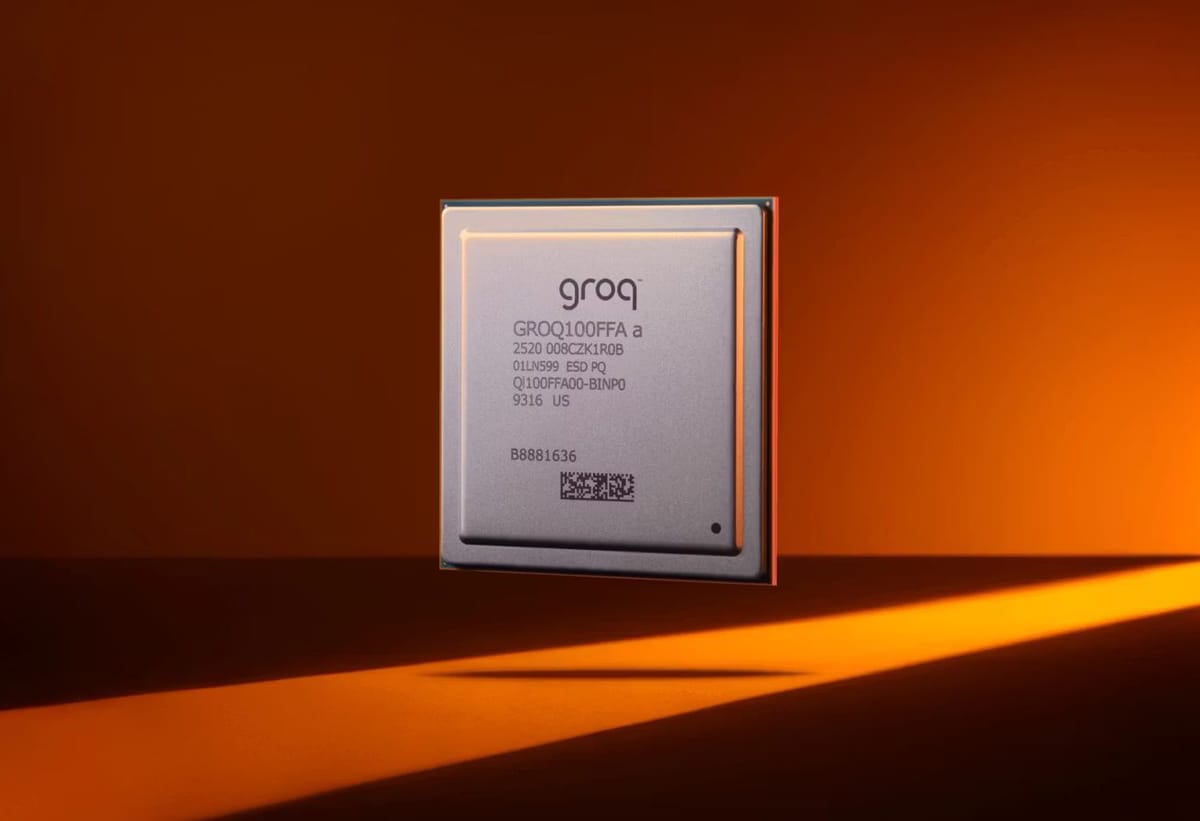
In a move that caught the industry by surprise, Nvidia has acquired Groq in its largest deal on record. Here's what it actually means.
What happened
On Christmas Eve, Nvidia announced that it will acquire assets from AI startup Groq for around US$20 billion, making it the company's largest deal ever.
The deal will see Groq's CEO, senior leaders, and most employees joining Nvidia. This comes just months after a financing round in September valued the company at US$6.9 billion.
Structured as a licensing-and-hiring deal with non-exclusive licensing, it is not an outright purchase of Groq. However, only 10% of Groq staff will stay behind.
More about Groq
Groq was founded by creators of Google's tensor processing unit, or TPU. It develops specialised AI hardware and software for AI inference.
Some highlights of its technology: Groq inferencing servers run at around 20kW per rack, with next-gen racks requiring only "slightly more."
In my conversations with Groq employees, I understand they design their chips to run on older process nodes, allowing more chip makers to manufacture them.
A key part of their strategy is the deployment of GroqCloud in multiple regional hubs. It's not clear how the deal will impact this.
The bottom line
What is Nvidia doing? It is likely hedging its bets to ensure it has its hands in all parts of the market, co-opting promising technologies along the way.
In a recent podcast, Jensen Huang said inference already accounts for more than 40% of Nvidia's AI-related revenue, and predicted this would go up substantially.
While the continuation of Groq as a company was suggested, one doesn't need to be a cynic to see how the loss of its top executives and engineering talent means innovation will only slow sharply.
And yes, an acqui-hire-style approach can likely navigate regulatory scrutiny more easily than an outright acquisition that concentrates market power.