What I saw at ZDATA's 300MW data centre campus in Johor
Reclaimed water, chiller-free phases, and a GreenRE Platinum rating.

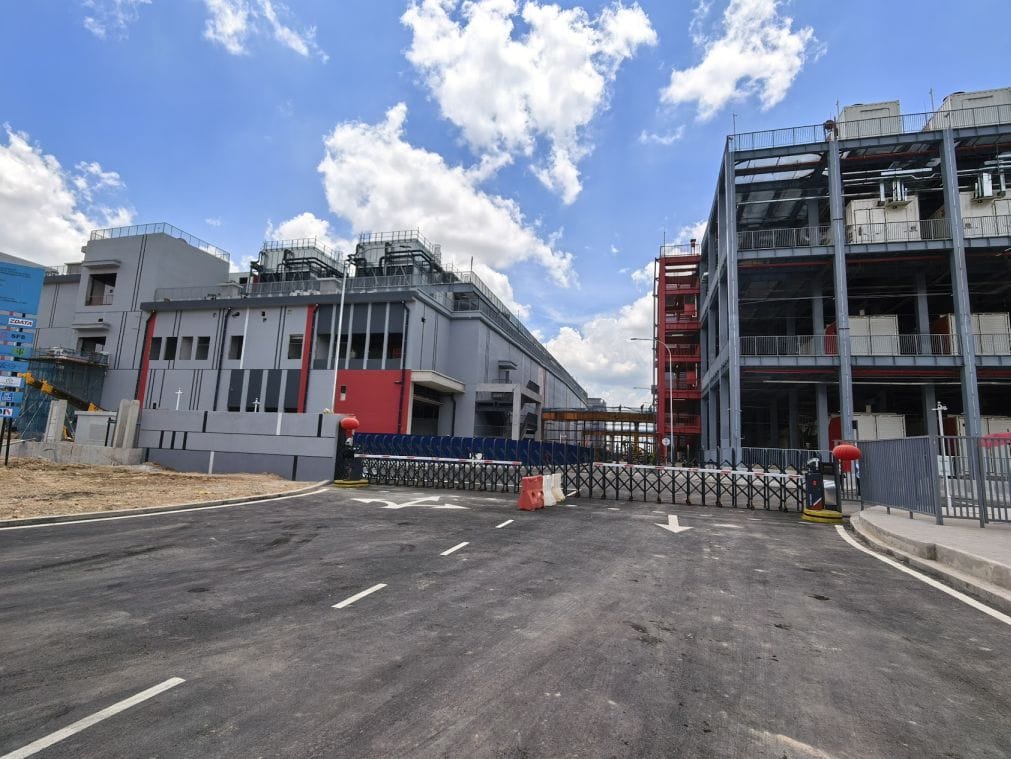
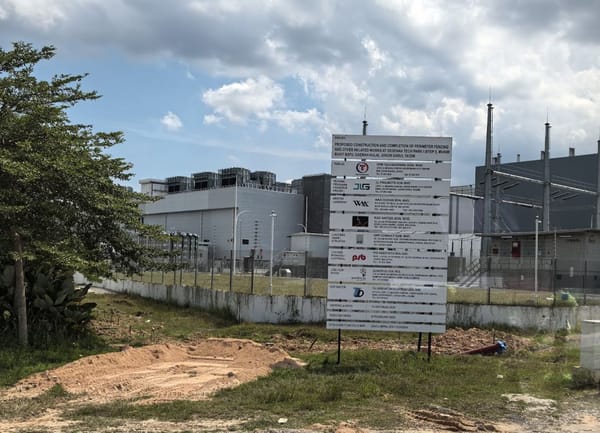
As I stood at the front gate of ZDATA's GP3 data centre in Johor this afternoon, I must say that even I was struck by the sheer size of this hyperscale data centre of the future.
GP3 campus
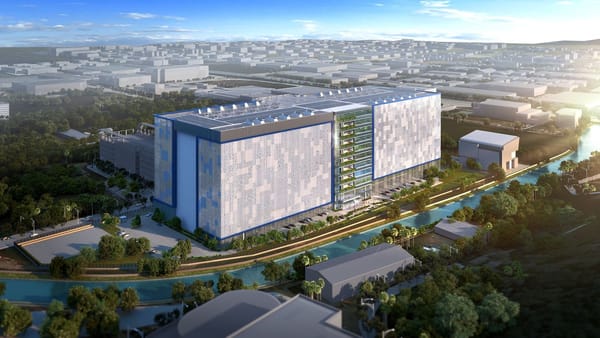
The GP3 data centre campus is developed by Chinese data centre firm ZDATA Technologies with an investment of around RM8 billion.
Who is ZDATA? In China, ZDATA currently operates over 30 data centres with planned IT load expected to reach an astounding 5GW.
Not much has been publicly shared about the GP3 campus itself. Here's what I found out: it will deliver 300MW in total capacity, uses 100% reclaimed water, will be built out over five phases, and the first phase is to be completed very soon.
Intensive land use
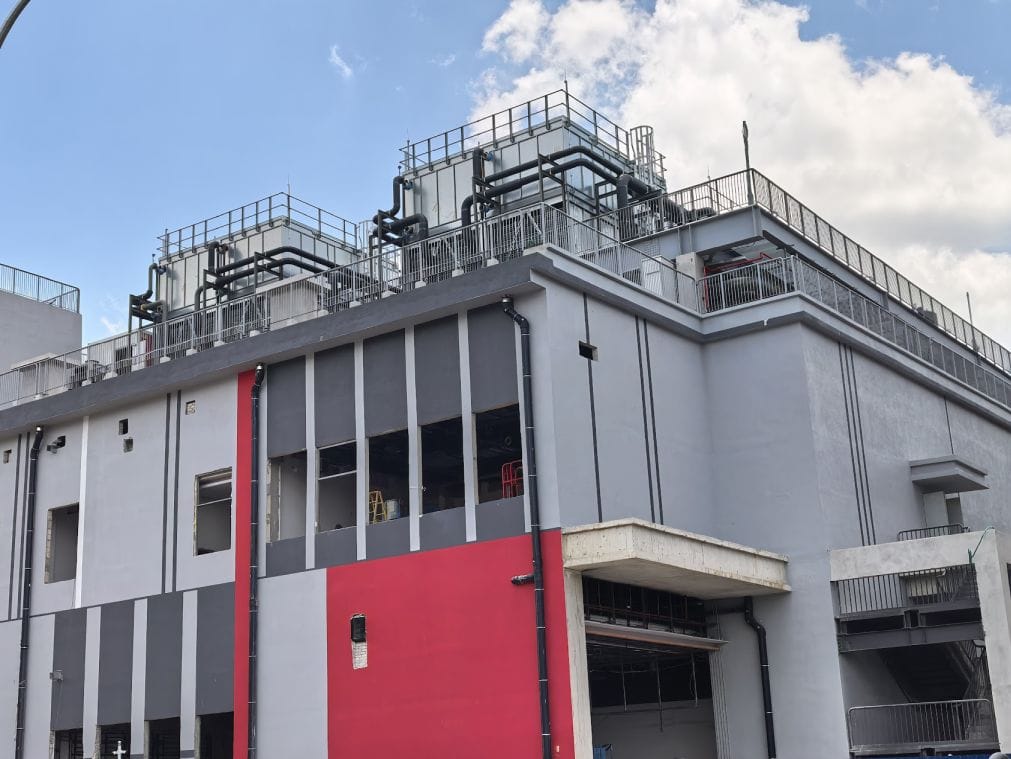
The scale of GP3 can be overwhelming and must be seen to be believed. To maximise the use of available land, its various data centre buildings are built up to three stories, including rooftops.
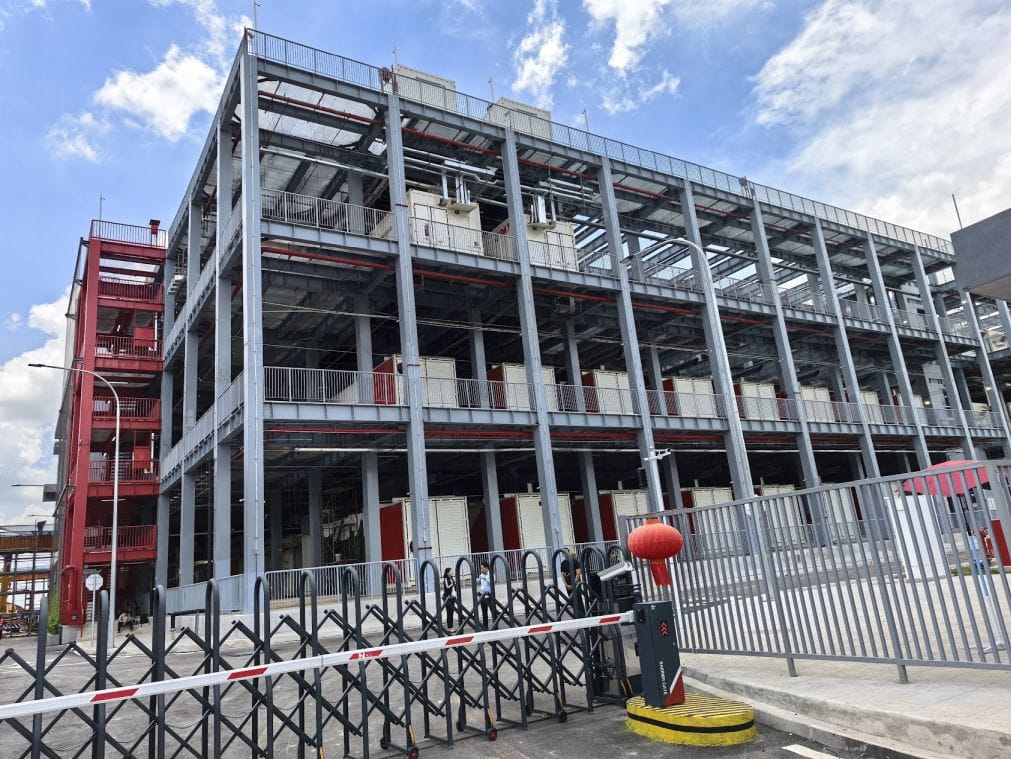
The campus also makes very extensive use of gantries, or giant multi-storey steel structures, to hold what appeared from my observations to be backup diesel generators.
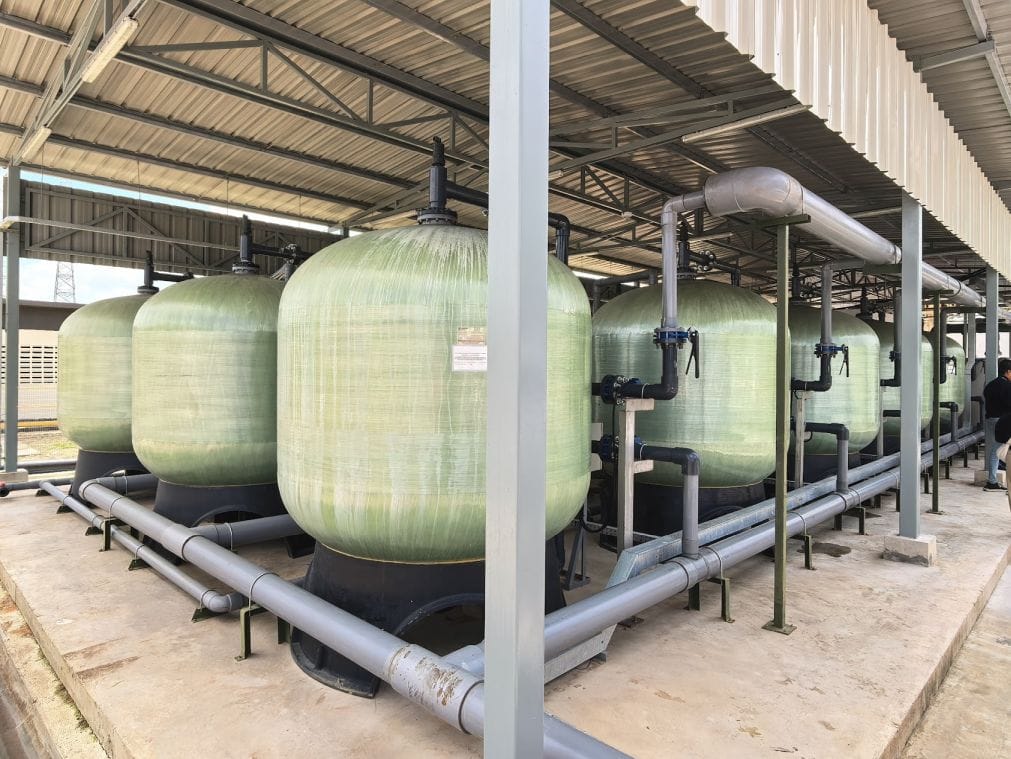
The water treatment plants are located right next to the corresponding municipal sewage treatment plants, themselves some distance away from the campus. Processed water is then piped to the data centre, ensuring zero use of potable water.
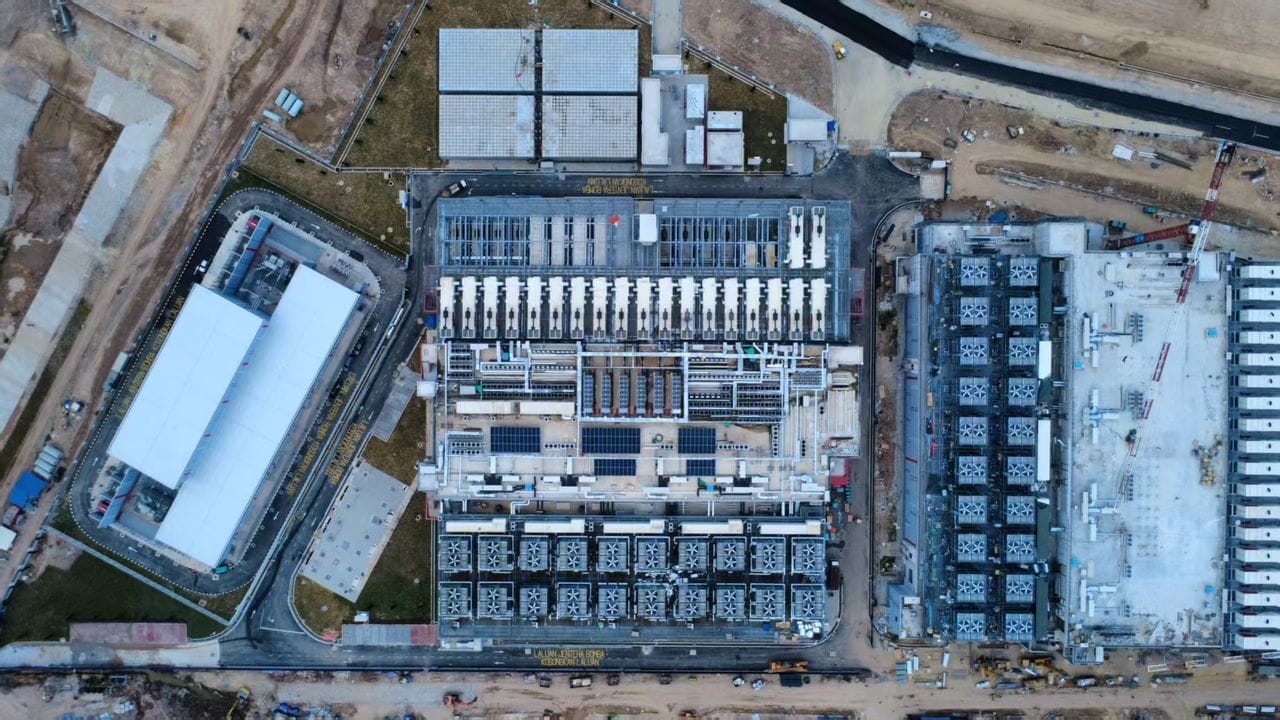
Big campus, big concerns
In a candid media interview ahead of a perimeter tour of GP3, ZDATA Director Yong Hwang Yeo and State Assemblyman for Kota Iskandar, Datuk Pandak Ahmad, sought to alleviate concerns about dust pollution and resource overuse.
ZDATA has also come up with a comprehensive strategy to address areas such as renewables and energy efficiency. For instance, the first two phases don't use chillers.
GreenRE scheme
What caught my attention was the Platinum rating that GP3 secured under the homegrown GreenRE scheme, a standard established by the Real Estate and Housing Developers' Association (REHDA).
I haven't had the chance to study it yet, but what I heard points to it being a credible, modern standard that borrows from the best around, including Singapore's Green Mark for Data Centres scheme.
It might even be stricter in some cases. For instance, while GreenRE, like Green Mark, uses a point system to encourage better WUE, GreenRE sets a minimum WUE of no more than 2.0. I'll report back when I look more into GreenRE.