Water keeps data centres cool. It can also destroy them from the inside
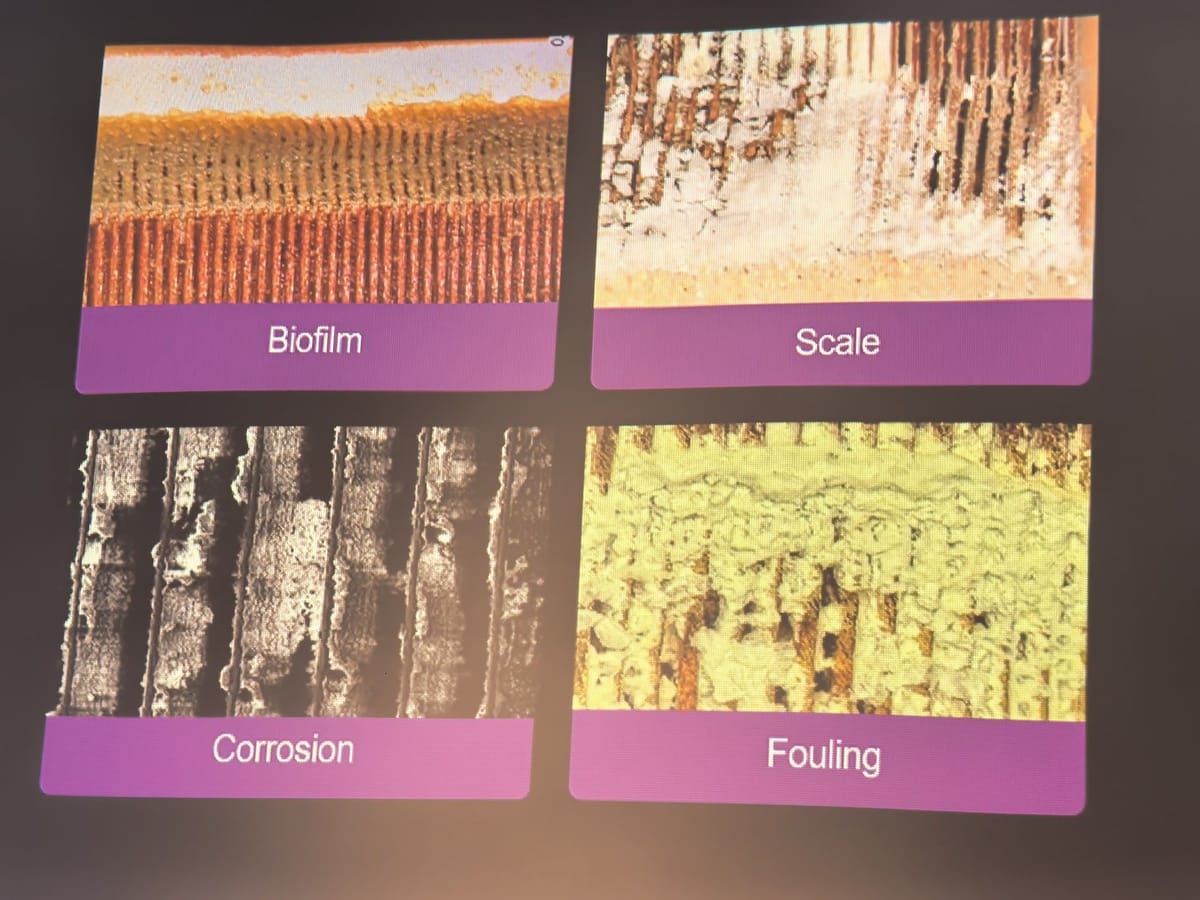
Biofilm, scaling, and corrosion are three interconnected problems that data centre operators must actively manage.

By now, we all know modern data centres need a substantial amount of water to operate. But that same water can quietly destroy them from the inside.
Water troubles
I have previously written about how data centres need to periodically discharge the water used for their cooling systems, a process known as blowdown. To be honest, I never quite realised how complex things are until I started reading more about water treatment for data centres.
The massive volume of water flowing through a facility means that various problems crop up quickly without appropriate pre-treatment and calibration of chemicals. Left unchecked, the following can start to go wrong, and often faster than most people would expect.
Biofilm
Biofilm is a biological deposit from microorganisms such as bacteria, algae, and fungi. It forms when microbes adhere to a surface and colonise it, producing a thick and slimy matrix within days.
As you can probably imagine, biofilm creates a severe insulation effect when it forms in cooling systems. Even a thin layer in chillers can reduce cooling efficiency by a noticeable percentage. In a facility where thermal management is everything, that's a problem that compounds quickly.
Scaling
Scaling is a mineral and chemical problem. Dissolved minerals in water are deposited onto surfaces, forming a hard, adherent layer. This can reduce the surface area of heat exchangers and physically narrow pipe bores, reducing flow rates.
The main challenge with descaling is typically the downtime it requires. And while some types of scale can be removed with an acid-based descaler, others like silica scale require hazardous compounds to remove. Neither option is straightforward for a facility that needs to run around the clock.
Corrosion
Corrosion is where metal degrades through oxidation, which can cause leaks as pipes are compromised, or generate debris that jams pump actuators or clogs microchannels in liquid cooling plates.
Factors such as water chemistry and dissolved solids can accelerate this process significantly. Equipment life can be dramatically shortened through irreversible damage, turning what should be a long-term infrastructure investment into a costly maintenance burden.
The real problem: they feed each other
What's particularly concerning is how the three can coexist in a way that dramatically accelerates one another. Scaling deposits in cooling towers can create ideal surfaces for biofilms to subsequently attach to and grow. Biofilm itself can create environments that accelerate corrosion while also keeping corrosion inhibitors away from the metal surface they are meant to protect.
Ultimately, data centre operators cannot take water for granted but must actively manage and treat the water circulating in their facilities. The good news is there are ways to break the cycle. I'll cover them in another post, including my visit to an operational electrooxidation system from Hydroleap.