Johor's data centre surge and what residents are saying
Noise, dust, and heavy vehicles. The top complaints point to construction, not operations.

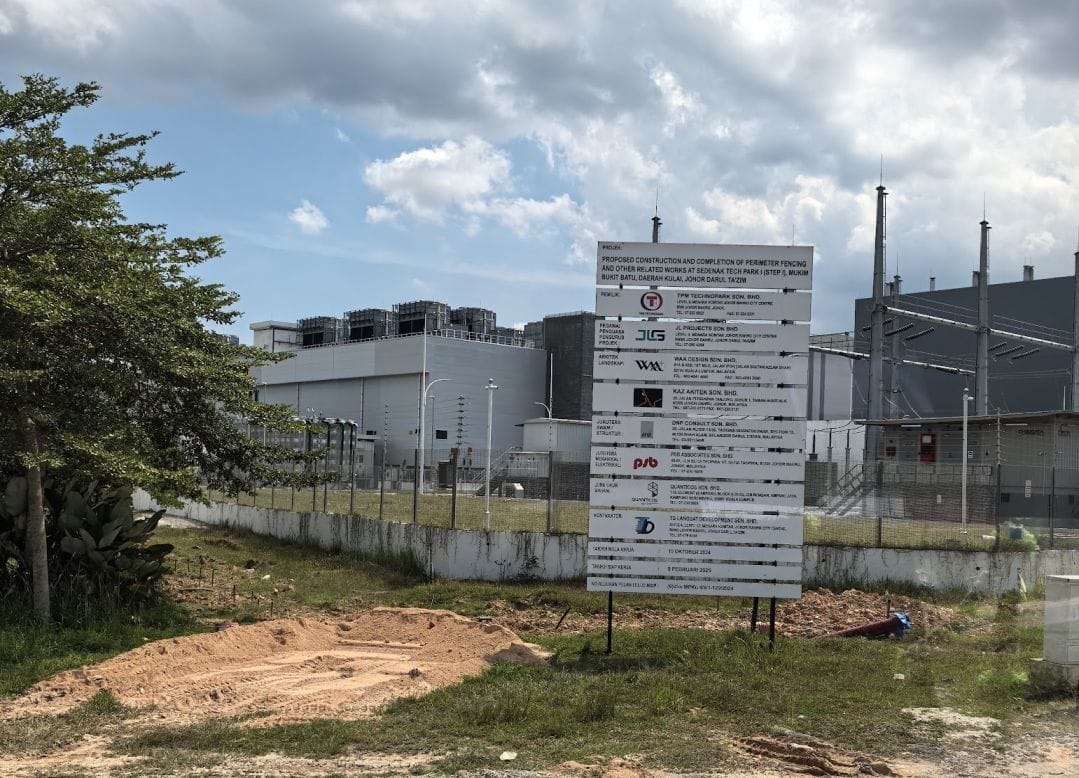
Johor is building data centres at a pace unlike anything else in the region. Not everyone is happy about it, says the Straits Times. Here are the key issues.
A surge unlike any other
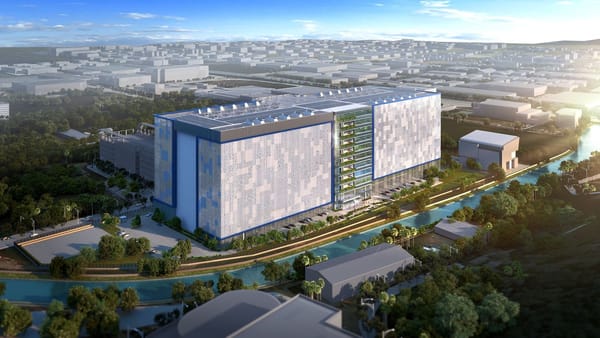
The Malaysia data centre surge over the last three years has no equivalent in the region. Indeed, I've previously argued that it could be a once-in-a-generation phenomenon.
According to data from JLL, Malaysia is on track to overtake highly mature data centre hubs such as Singapore and South Korea by 2027, and everyone else in APAC other than China by 2029. And almost all of the new data centres being built are in Johor.
What residents are saying
Unsurprisingly, some concerns have been voiced on the back of the breakneck growth, specifically about the incredible resources required by data centres. Speaking in parliament last month, Prime Minister Anwar Ibrahim noted that existing electricity production is sufficient for now.
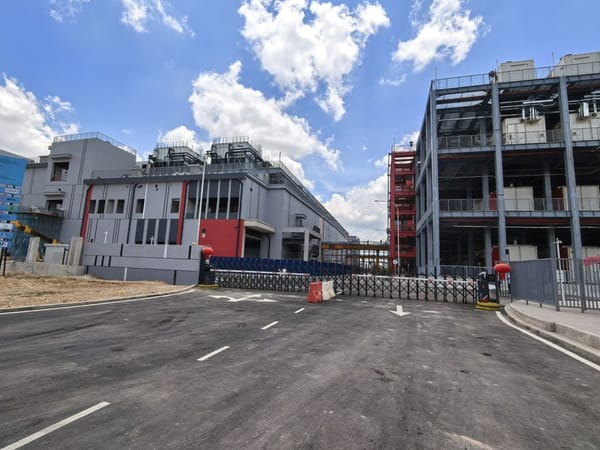
In a report published this morning titled "Locals left asking what comes next after Johor's data centre rush swallows their villages," the Straits Times interviewed around 10 residents. They spoke of construction noise, dust pollution entering homes, health complaints linked to dust, and heavy vehicle movement near residential areas. Other issues include loss of water pressure and loss of peace and quiet, with heavy vehicle traffic making parents less willing to let children play outside.
Overall, it is clear that the top complaints are construction related.
Room for improvement
Is there room for improvement? I think so.
Community engagement could possibly have made a positive impact given the scale of data centres today. I would note, however, that I'm not aware of any data centre operators doing so in locations like Singapore either.
The noise and dust reported suggest that better construction-stage controls could have been put in place. I suspect this could be related to operators pushing contractors to work within extremely tight budgets.
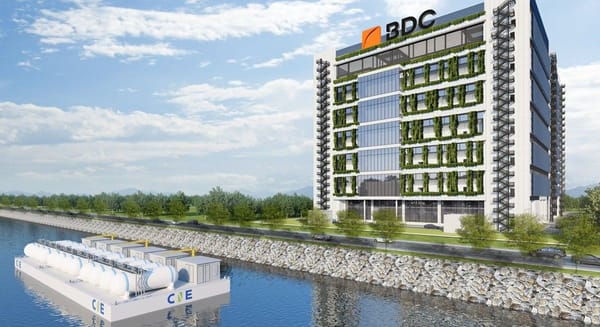
Finally, there is health-risk communication. Unlike in the US where data centres are increasingly building power generation on site in the rush to complete AI deployments, data centres in Johor are still powered from the grid, meaning no air or noise pollution once in operation. And in an increasing number of cases, new data centres are tapping into renewables, effectively giving the sector a boost. This is a big plus, and is worth communicating to residents.