Digital Realty's innovation lab in Singapore opens at SIN12
Liquid cooling, multi-vendor stacks, and a path to Jurong Island.

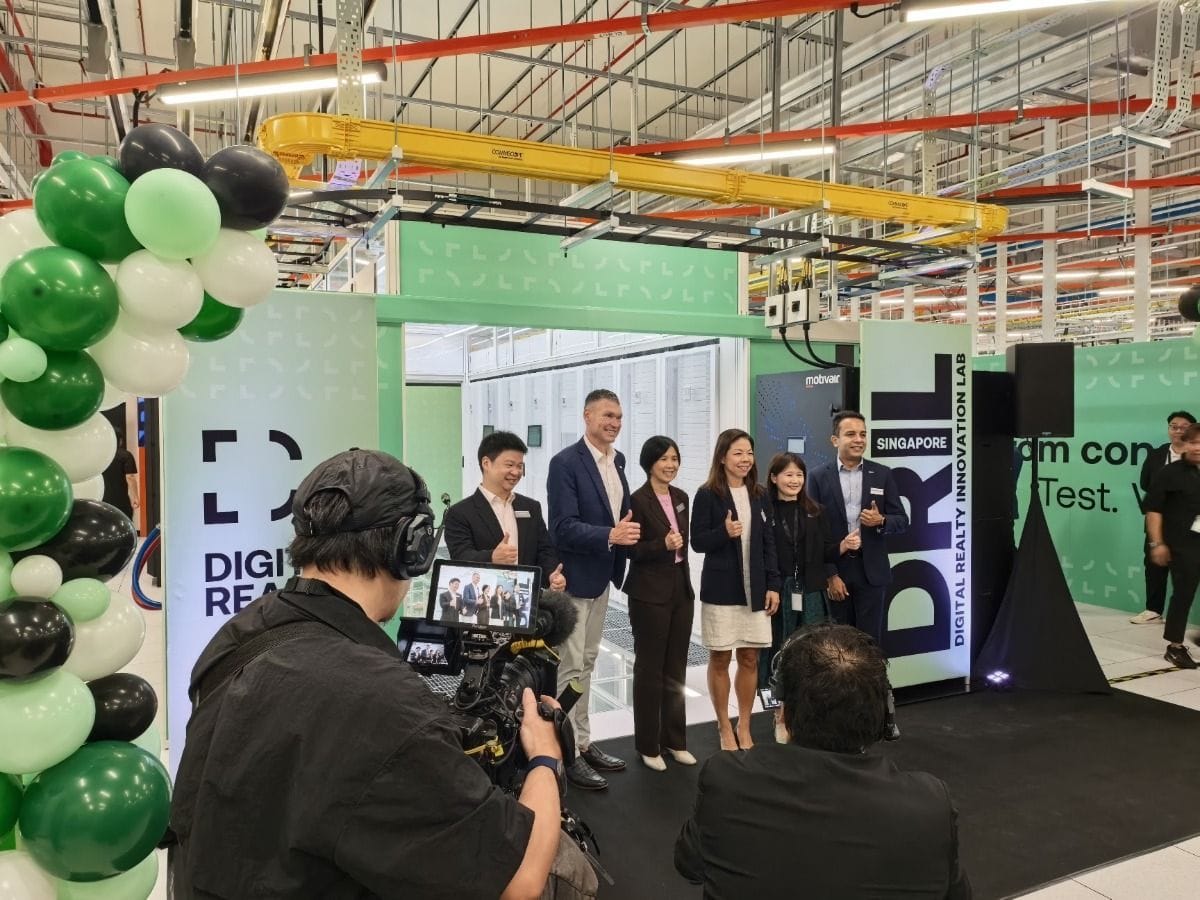
Launched this week, the Digital Realty Innovation Lab (DRIL) reinforces Singapore's unique approach to building sustainable data centres.
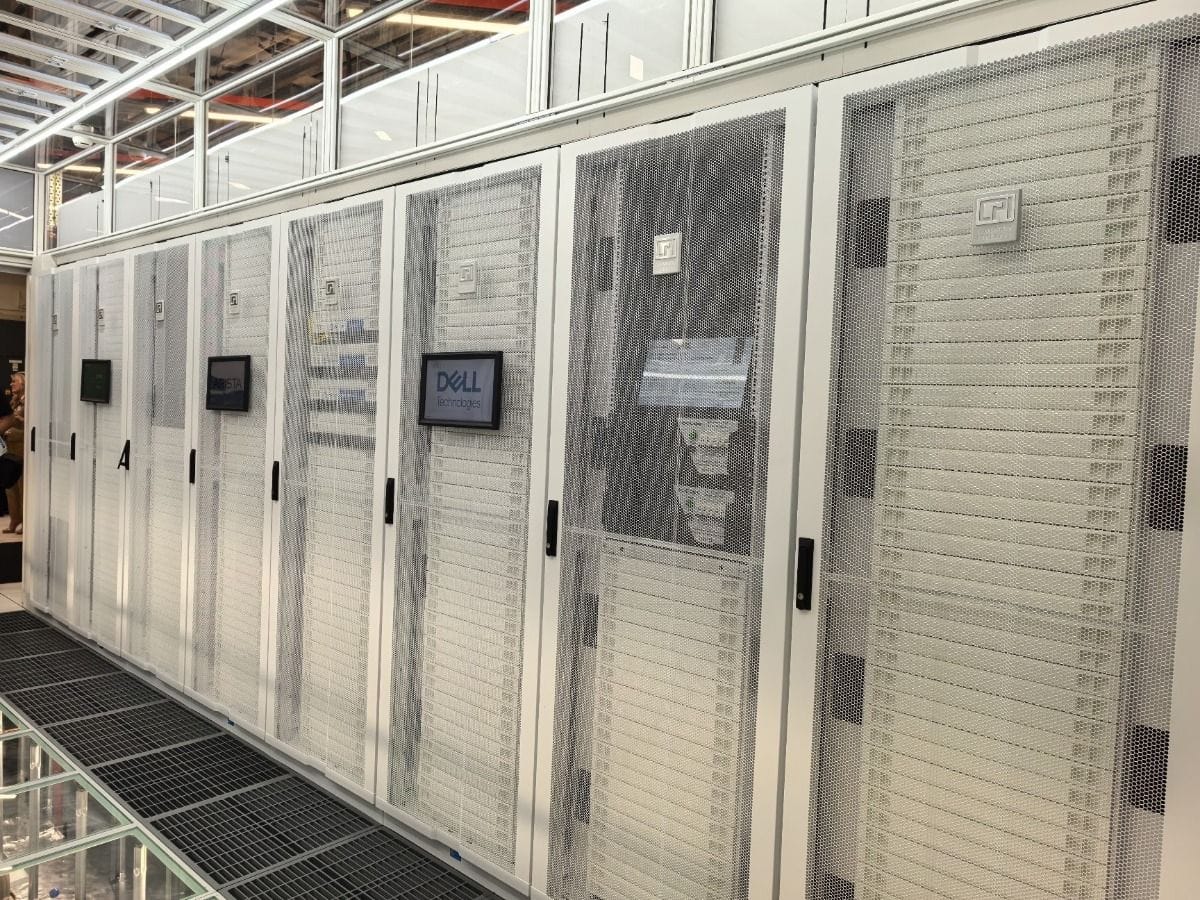
I was invited to the launch of DRIL Singapore at the SIN12 data centre along Loyang Close. Here's what I saw, and why I think it matters.
Digital Realty launches DRIL
The idea behind the DRIL is to let customers test, validate, and optimise multi-vendor AI infrastructure solutions before deploying them at scale.
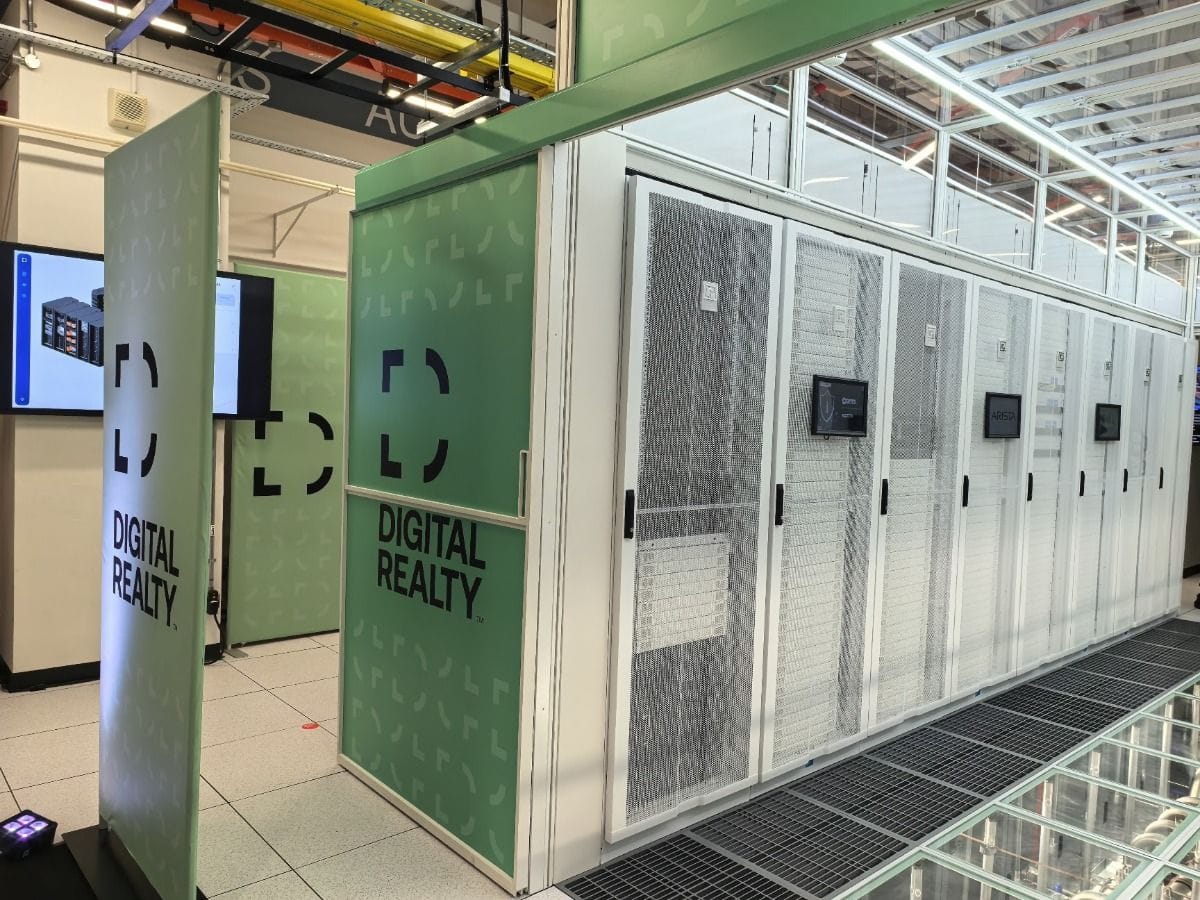
The Singapore DRIL is Digital Realty's fifth globally. Rather than build a separate facility, the company carved out space for it within a data hall on the ground level of the operational SIN12 data centre.
As Serene Nah and Chris Sharp shared during the media briefing, the lab gives customers four things. They can test in a live environment before scaling, validate and de-risk expensive decisions, trial a full multi-vendor stack in one place, and learn first-hand how liquid cooling works.
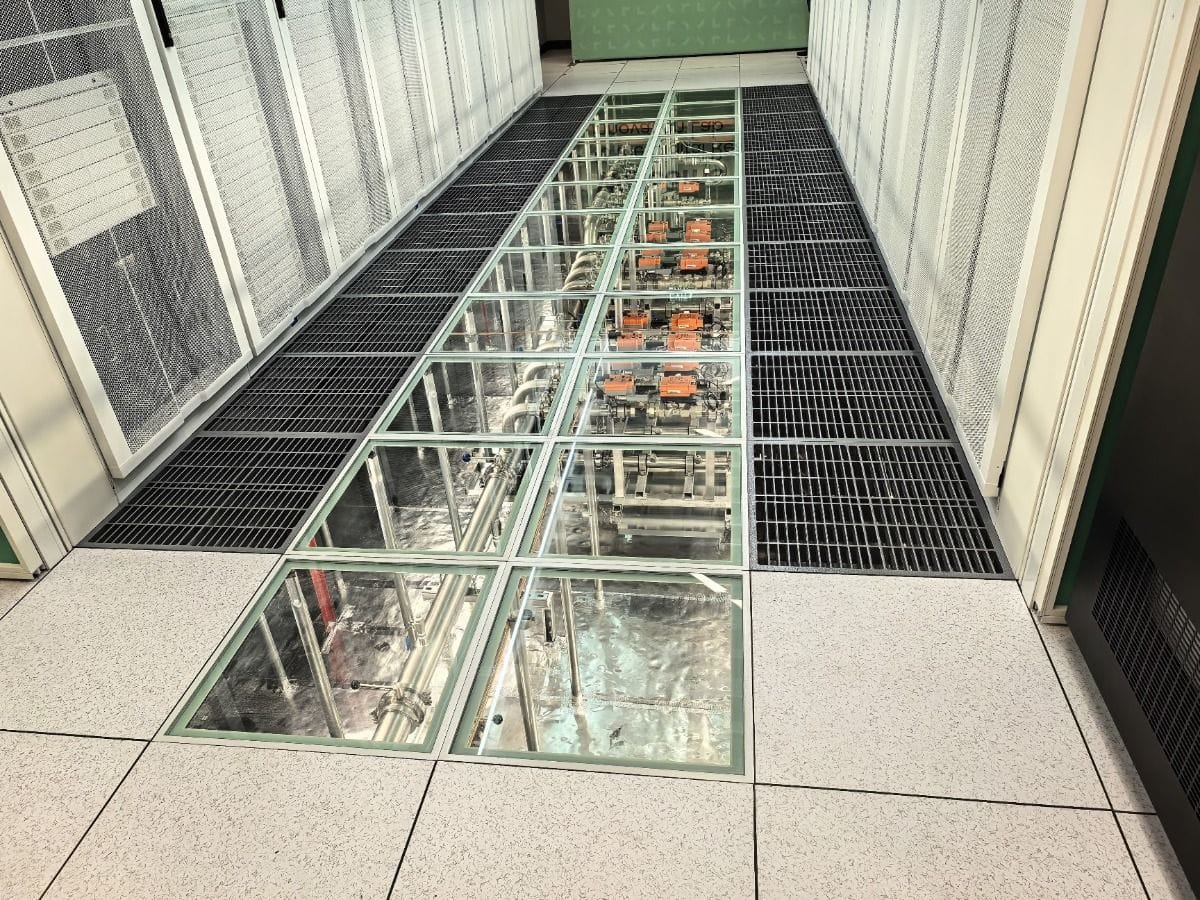
On the hardware side, the lab supports liquid-cooled racks of 150kW and more, with "headroom to go higher."
Building sustainable data centres
When Singapore first made the move to focus on building more sustainable data centres, it seemed overly cautious and perhaps even unrealistic.
But as data centre growth surged globally over the last three years, several markets in Southeast Asia were left scrambling to implement new regulations around data centres. In the face of speculative builds, Singapore's policy of controlled growth and its focus on sustainable facilities now seems almost prescient.
With capacity this tightly managed, every megawatt has to count. This is where a facility like DRIL fits in, allowing high-density designs to be validated before deployment, not after.
The shape of future data centres
The future of data centres will likely take the form of hybrid computing, with a mix of traditional and AI deployments. What is clear, though, is that liquid cooling and higher-density workloads will gain in prominence.
Serene revealed how enterprises and Asian tech firms are building private AI deployments of between 1 and 3MW today, compared to just 200kW two years ago. That is a big jump in a short time, and being able to test and validate such systems first clearly matters. Serene spoke of "a very good conversion rate" from testing to deployment.
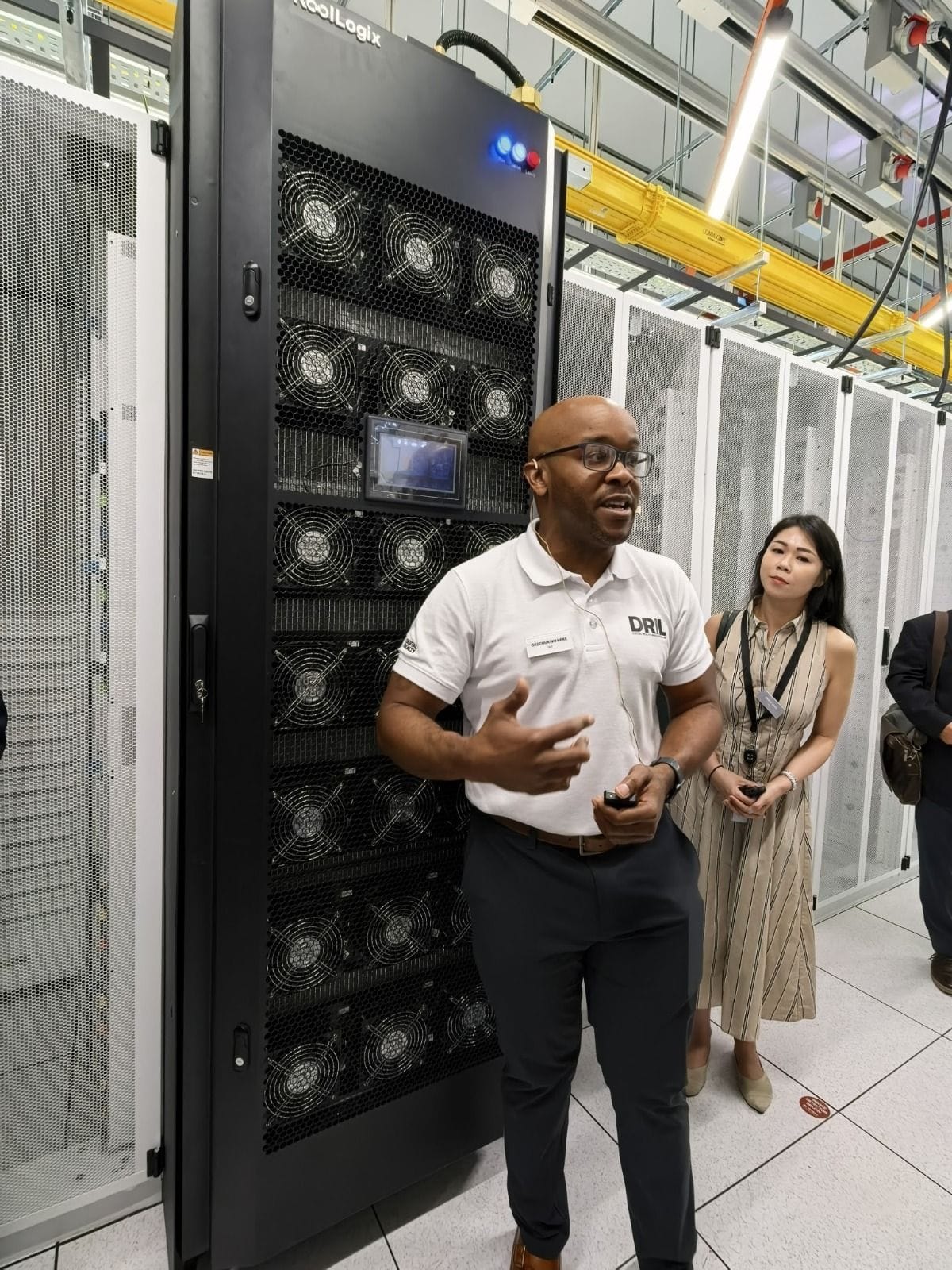
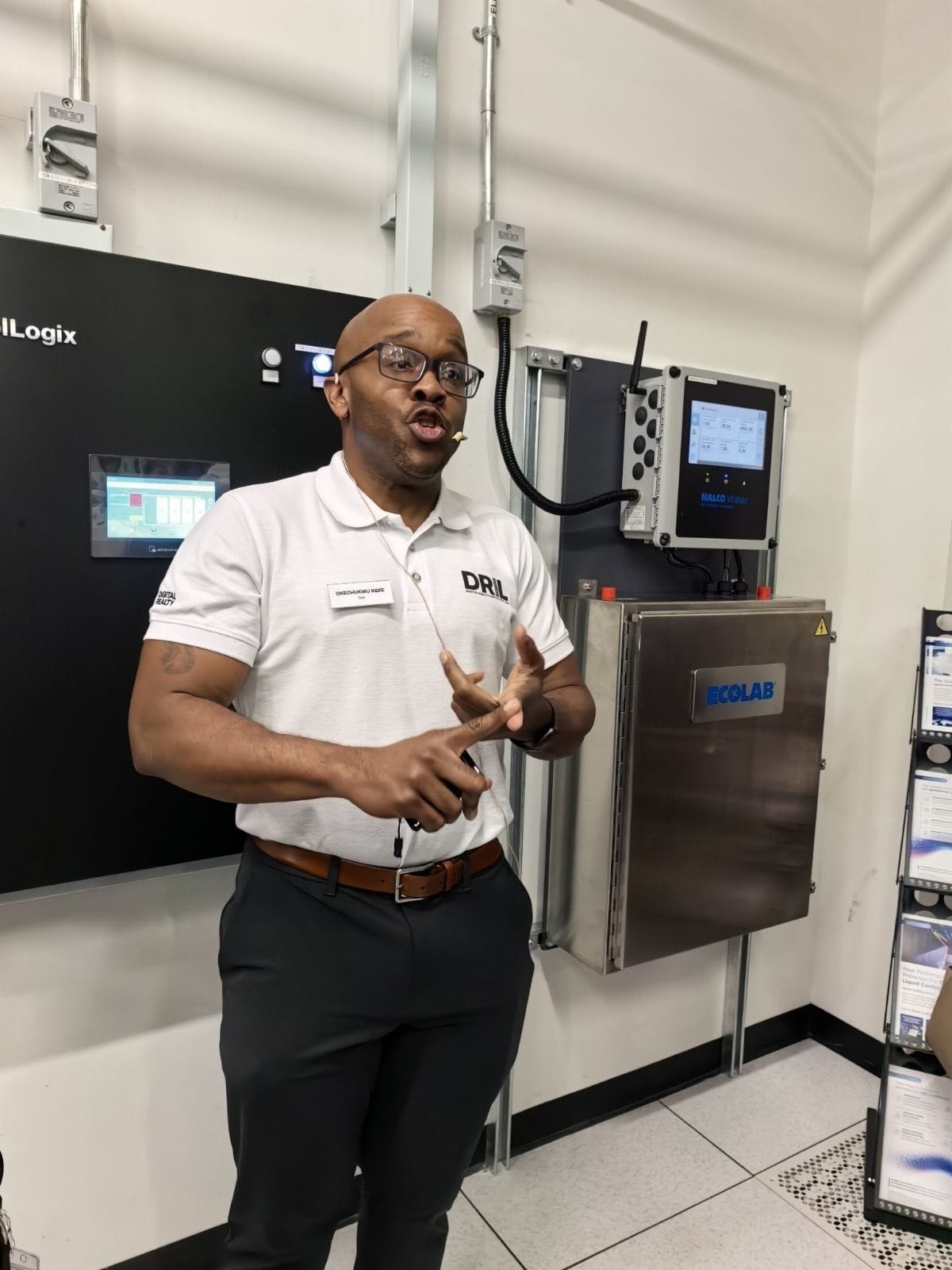
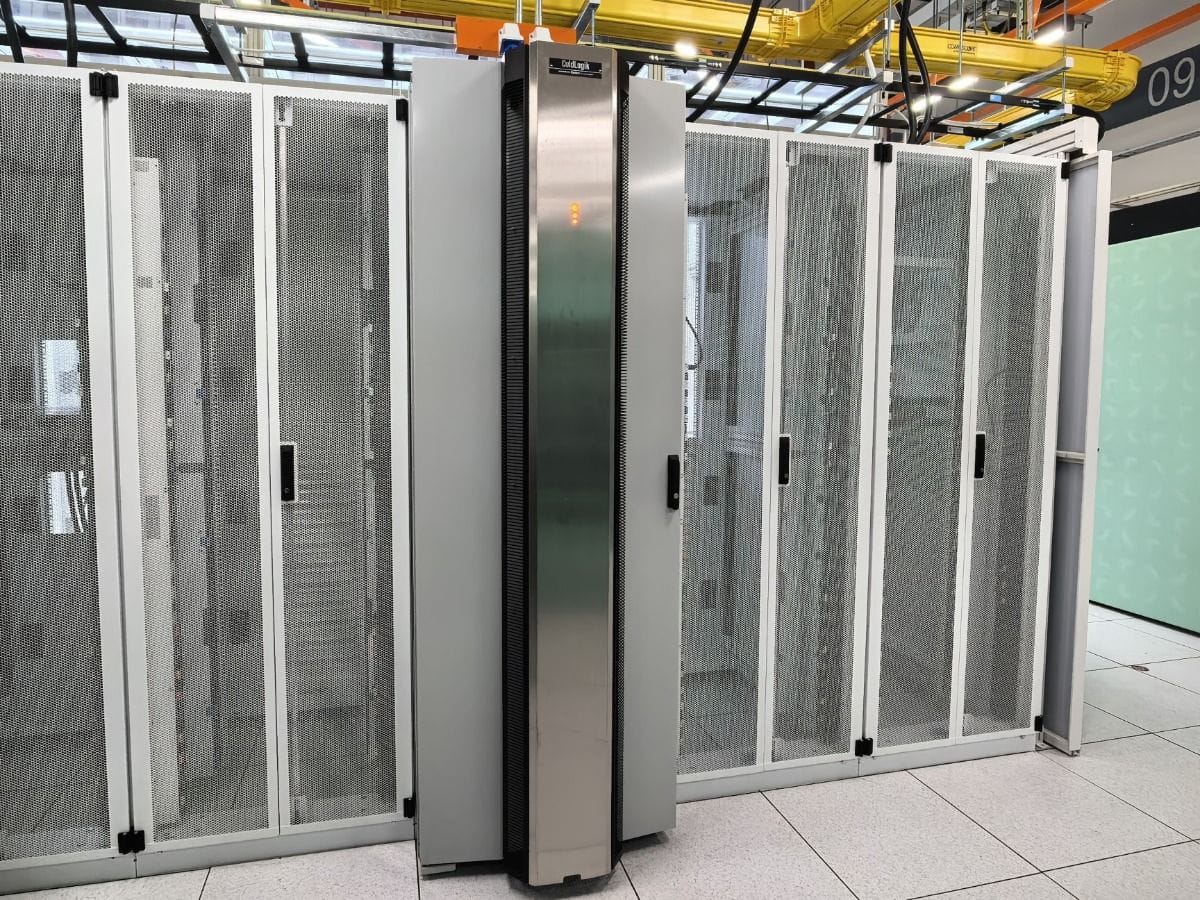
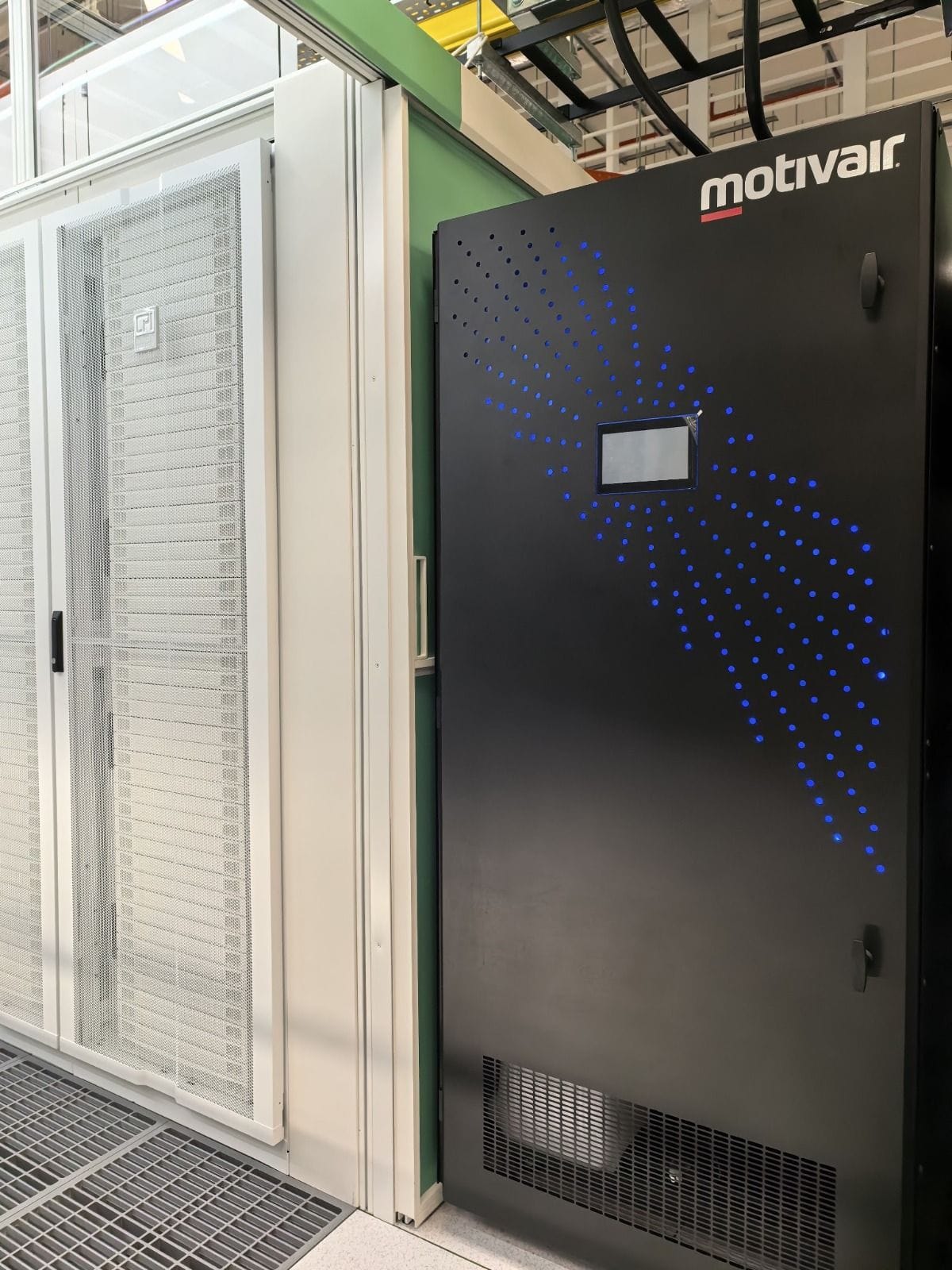
Walking the lab, I spotted systems from KoolLogix (two-phase cooling), Legrand's Cold Logik RDHx, and Ecolab (water monitoring).
While liquid cooling isn't new, it hasn't really seen widespread deployment until recent years. This means know-how remains fairly limited, a gap exacerbated by the massive jump in rack density. A place to learn by doing, on live kit, has obvious value.
As a DC-CFA2 winner, Digital Realty will soon be building a 50MW data centre on Jurong Island. I expect some of what is tested at SIN12 today will benefit that upcoming facility.