Can data centres be hardened against drone attacks?
Military drones, consumer drones, and a Pandora's box the industry now has to confront.

Data centres were built to survive fires, floods, and power failures. No one designed them to survive a war. Here is what can, and cannot, be done to protect them.
A threat no one saw coming
When war exploded in the Middle East last weekend, it laid bare a vulnerability that the data centre industry thought it had long resolved: physical security.
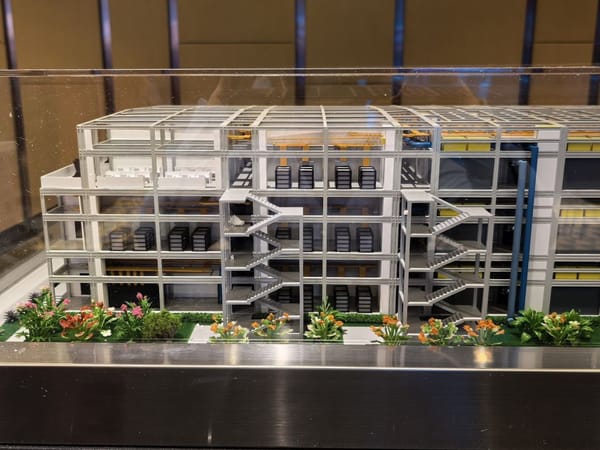
I've had the fortune to tour various data centres over the years, and physical security has always been a prime feature. High perimeter fencing, absence of windows, crash-rated barriers, anti-ram bollards, mantraps, and many more.
Easy to target
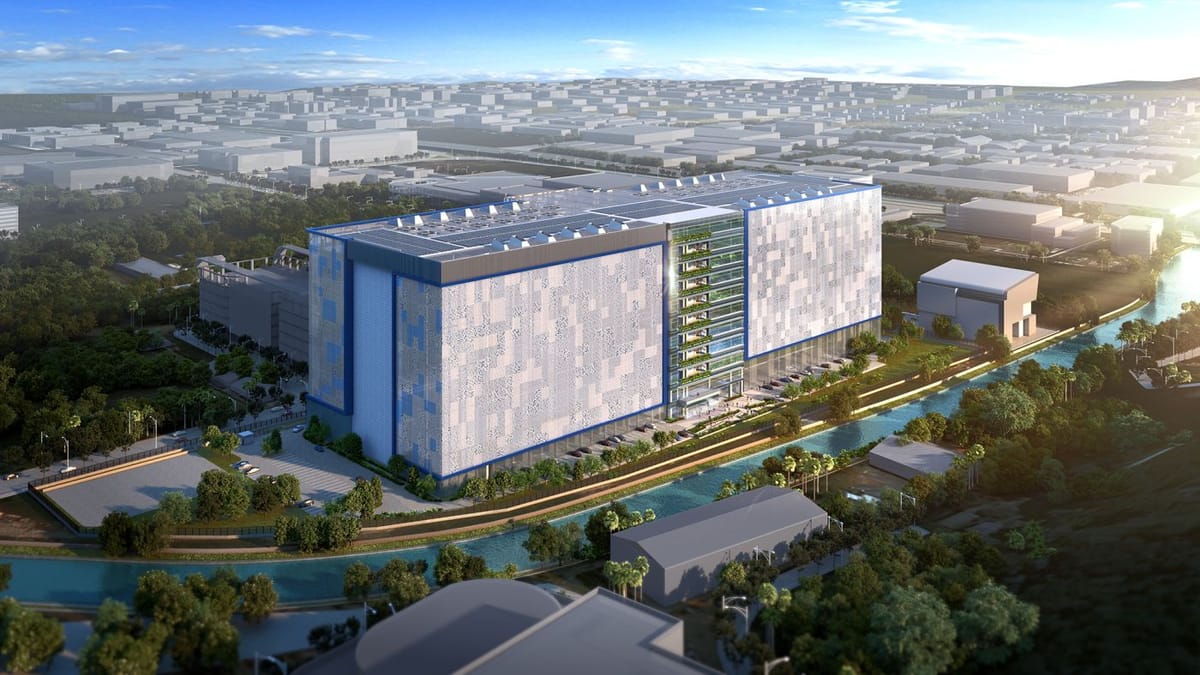
Despite the perpetual secrecy around data centres, industry professionals know a simple truth: we know exactly where they all are. This makes them trivial to target.
And from the recent strikes on AWS' data centres in the Middle East, we now know two things. Unlike a typical fire, an attack by a military drone also causes structural damage that must be evaluated before operations can resume. And high explosives and onboard fuel are enough to trigger a conflagration that burns hotter and spreads across a much broader area than a conventional fire.
Apart from military defences, there's no viable way to protect data centres from direct military attacks. But what the strikes have achieved is opening a Pandora's box about the vaunted safety of data centres. Think about it: a consumer-grade drone and a Molotov cocktail could be all it takes.
Defence from non-state attacks
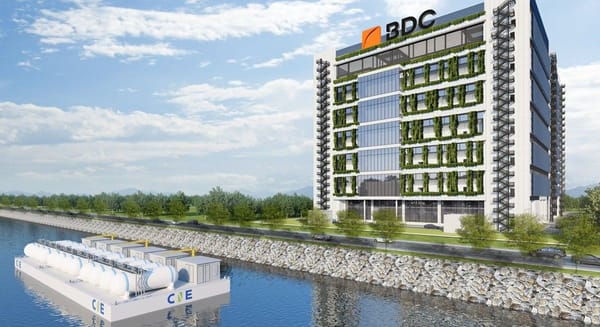
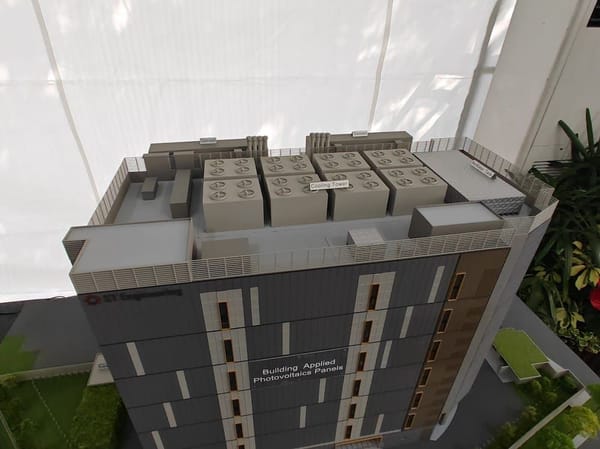
Can data centres be protected from non-state actors? I believe they can be hardened in some cases. But first, what are the most vulnerable aspects of data centres today? Overhead power lines, cooling towers and chillers, backup generators, and transformer yards.
Power cables in Singapore are laid underground, which effectively means they cannot be targeted. But unlike power cables, mechanical systems and backup generators still depend on air intake and exhaust, and are typically placed on roofs. You can't just move them underground or into any room.
That said, some existing designs hint at possibilities. One data centre I saw in Johor, for instance, has air louvres that open only when power generators are running. It wasn't designed for protection, but the idea could be a starting point.
Ultimately, it will take real ingenuity, and time, from engineers and data centre designers to find ways to harden these vulnerabilities.