AWS data centre in UAE on fire from drone. How are data centre fires fought?
Data centres fight fires very differently from other buildings.


An AWS Availability Zone (AZ) in the UAE went down after objects hit the data centre and caused a fire yesterday. No further details were provided at tihs stage, though this happened as the UAE faces ongoing missile and drone attacks from Iran.
Powered down
According to AWS, the mec1-az2 AZ was struck by objects at around 4.30am PST, "creating sparks and fire." I'll hazard that these were probably burning debris from an intercepted missile or drone.
"The fire department shut off power to the facility and generators as they worked to put out the fire. We are still awaiting permission to turn the power back on," said AWS. It would take several hours to restore service once power was restored.
Subsequent updates showed that the power issue also affected another AZ (mec1-az3) while a third (mec1-az1) experienced increased EC2 API errors.
Cloud services offer incredible resilience, particularly if workloads are designed to operate across more than one AZ. They live within data centres, though, which typically are not designed with military-grade ordnance in mind.
Fires in data centres
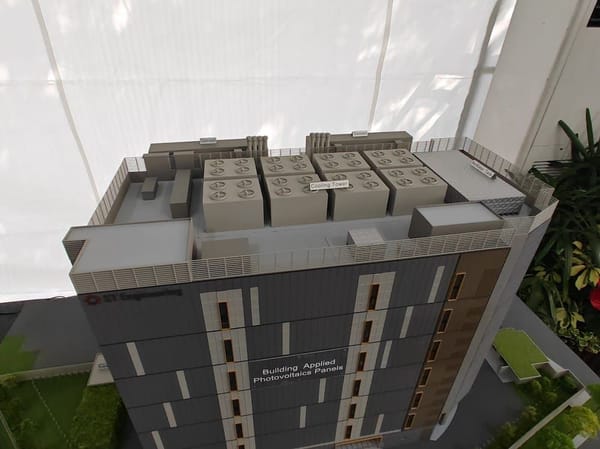
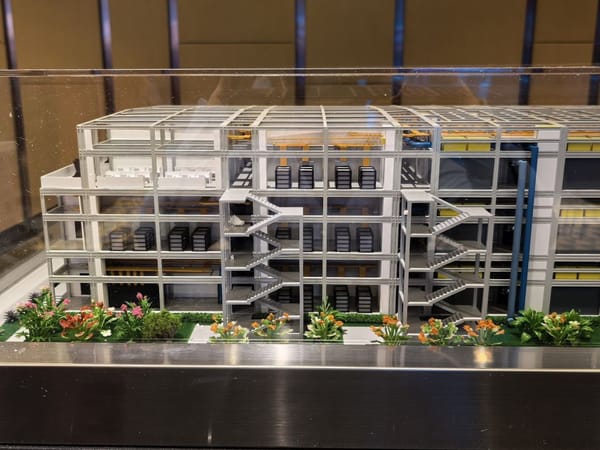
Data centres are designed very differently when it comes to fighting fires. Due to the expensive electronics, a major part of the strategy hinges on early detection.
VESDA, or Very Early Smoke Detection Apparatus, continuously draws air and can detect smoke particles long before a fire breaks out. This is sometimes supplemented by thermal cameras and gas detectors, the latter of which can also warn of thermal runaway in lithium-ion batteries.
Some data centres use gas suppression systems instead of water to either displace oxygen or interrupt the fire reaction. However, certain gases are hazardous to trapped employees, which explains why water is still used in many facilities. It's also worth noting that lithium-ion batteries, which are increasingly used in data centres, cannot be extinguished by gas suppression alone.
Finite interceptors
I don't typically comment on geopolitics. But Iran's retaliatory missile and drone strikes have hit airports, ports, hotels, and residential areas across the wider Gulf.
The UAE operates one of the most sophisticated layered missile defence architectures in the Middle East, with both US-made Patriot and THAAD systems. However, interceptor stocks are finite. While operational counts are classified, defence analysts estimate inventory at more than 700.
Over the weekend, the UAE intercepted 167 missiles and 541 drones. Drones are usually shot down by fighter planes while missiles can take more than one interceptor. As it is, the maths alone should give pause.
Hope affected AZs are restored soon.