AI is moving from experimentation to execution
The real shift in AI requires rethinking processes from the ground up.


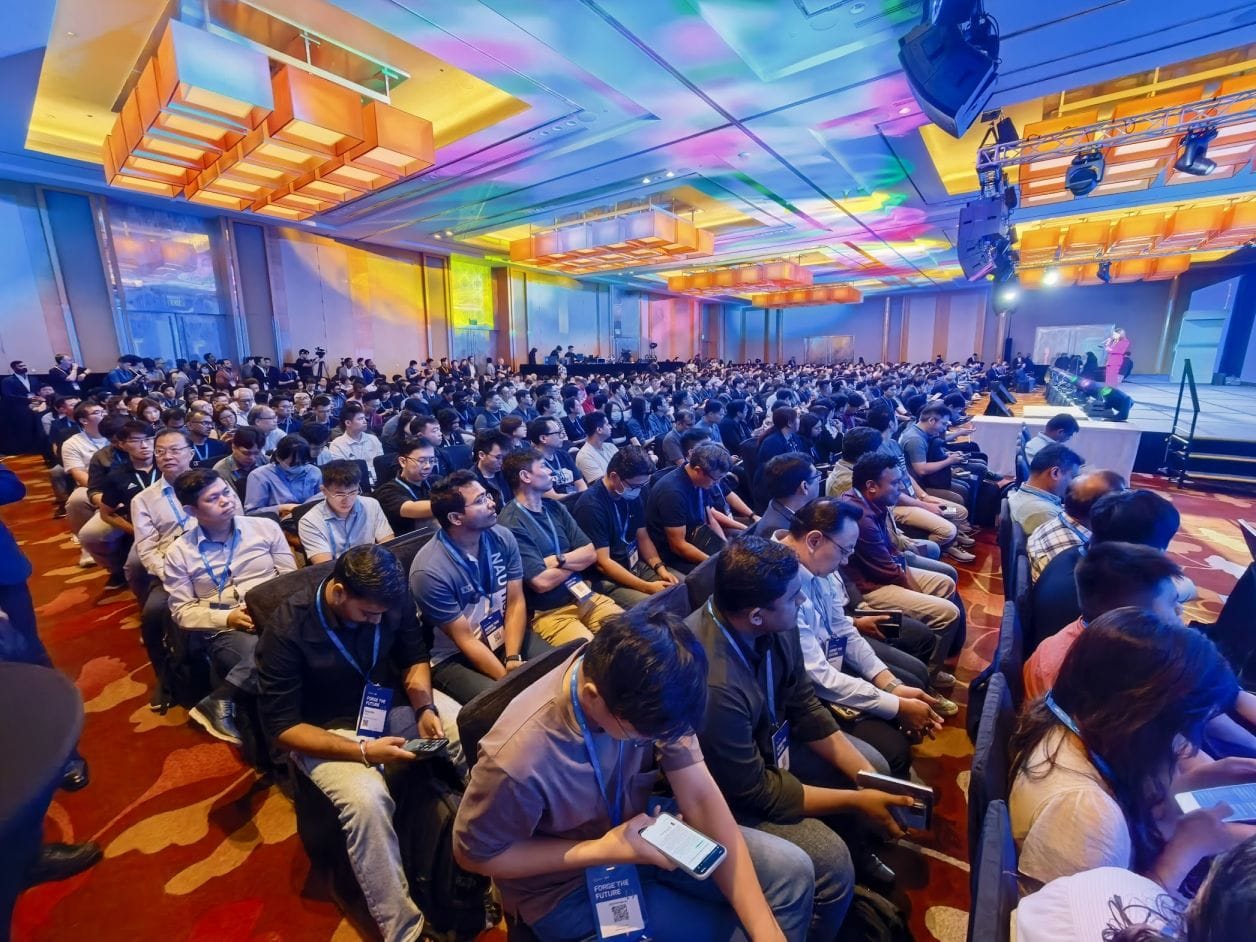
AI is moving from experimentation to execution. That was the message from Ravi Rajendran to a standing-room only audience at Elastic{ON} Singapore 2026.
Why early AI projects failed
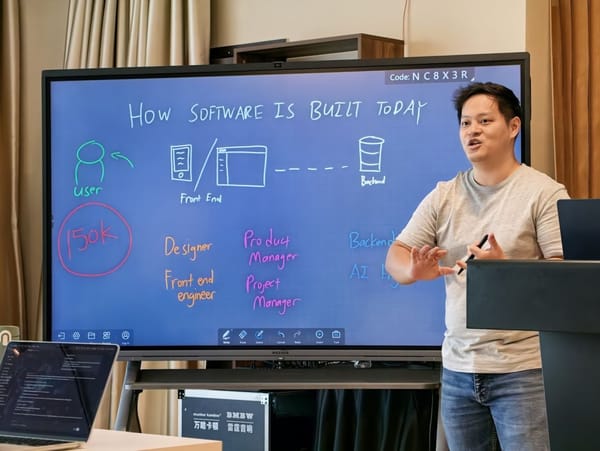
Ken Exner offered a hint of what this shift looks like in practice. Many early generative AI projects failed, he explained, because businesses simply copied what they saw. The result was a wave of ChatGPT-like chatbots that looked impressive on the surface but delivered limited business value.
The problem wasn't the technology itself. It was that organisations bolted AI onto existing workflows without rethinking how their business processes should change to take advantage of what AI could actually do. A chatbot that answers customer queries might save a few minutes, but it doesn't fundamentally transform how a business operates.

Rethinking from the ground up
To adopt AI successfully, businesses must rethink their processes from the ground up. The good news is that things are changing. New agentic architectures, better models, and data platforms that support AI are making it possible to move beyond simple chat interfaces and into workflows where AI can take meaningful action.
The event itself was buzzing with energy. I managed to chat briefly with Bernard Leong after his podcast recording. For the uninitiated, Bernard runs the Analyse Podcast channel on YouTube with over 300,000 subscribers. Let's just say he knows his AI.
We had an impromptu conversation about whether traditional media briefings even make sense for specialist commentators anymore, a question worth exploring another time.
I also recorded a podcast with Laurence Liew after lunch. It was barely noon and I had already bumped into Nick Chia and Keegan Chua. A good sign of the level of interest in the room.