A good panel is a story, not a queue
Three lessons learned the hard way, from hundreds of sessions.

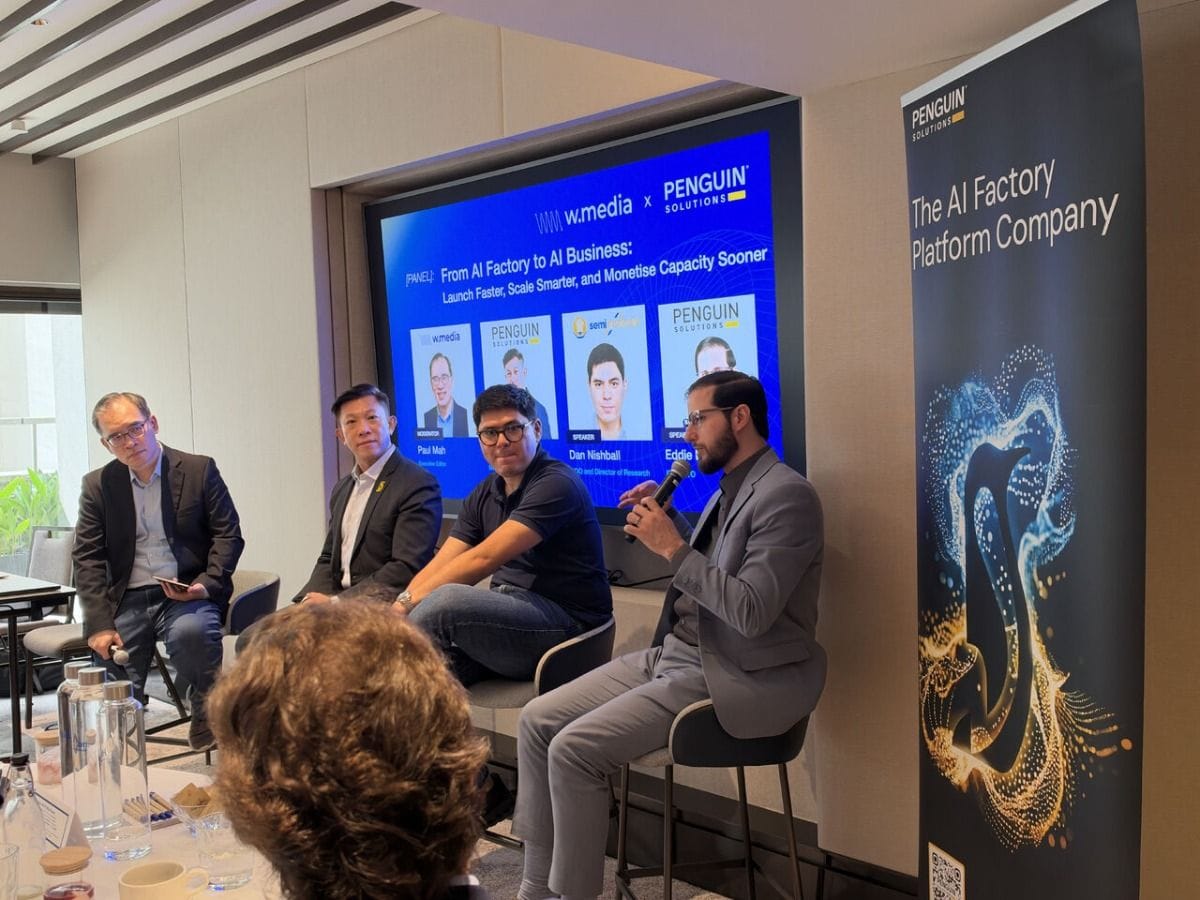
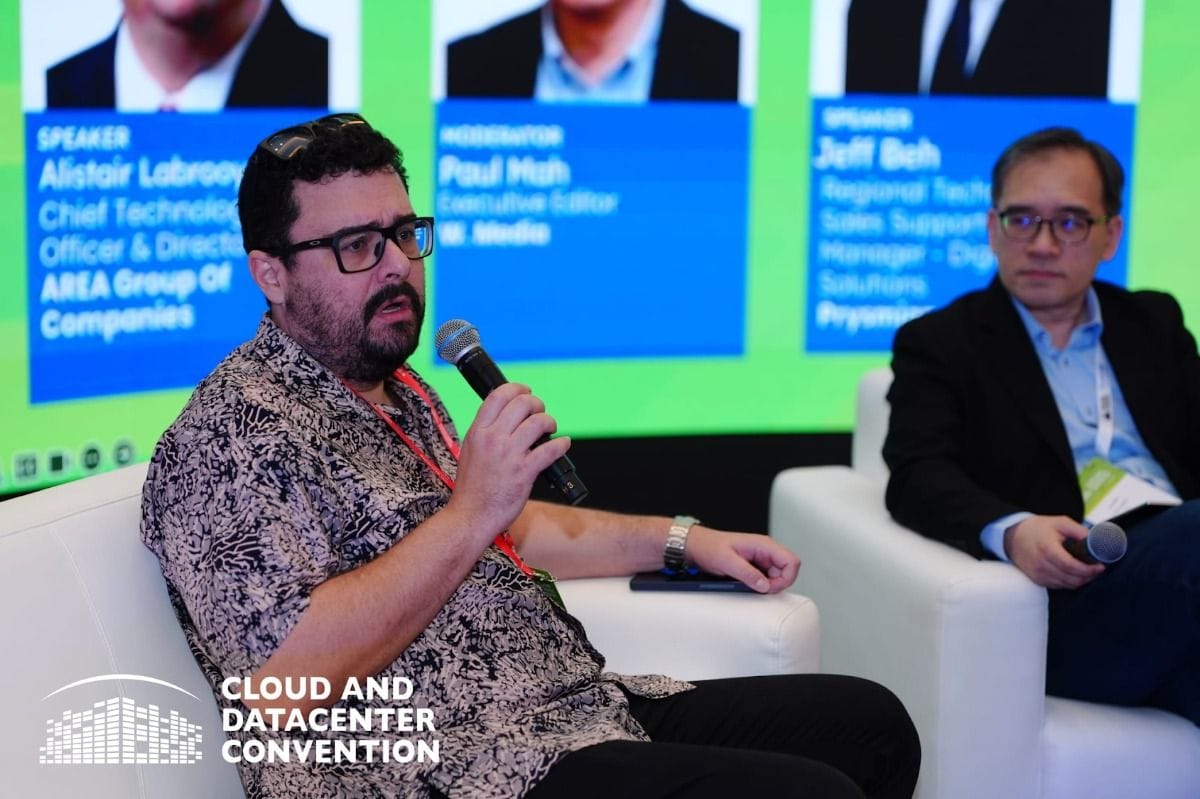
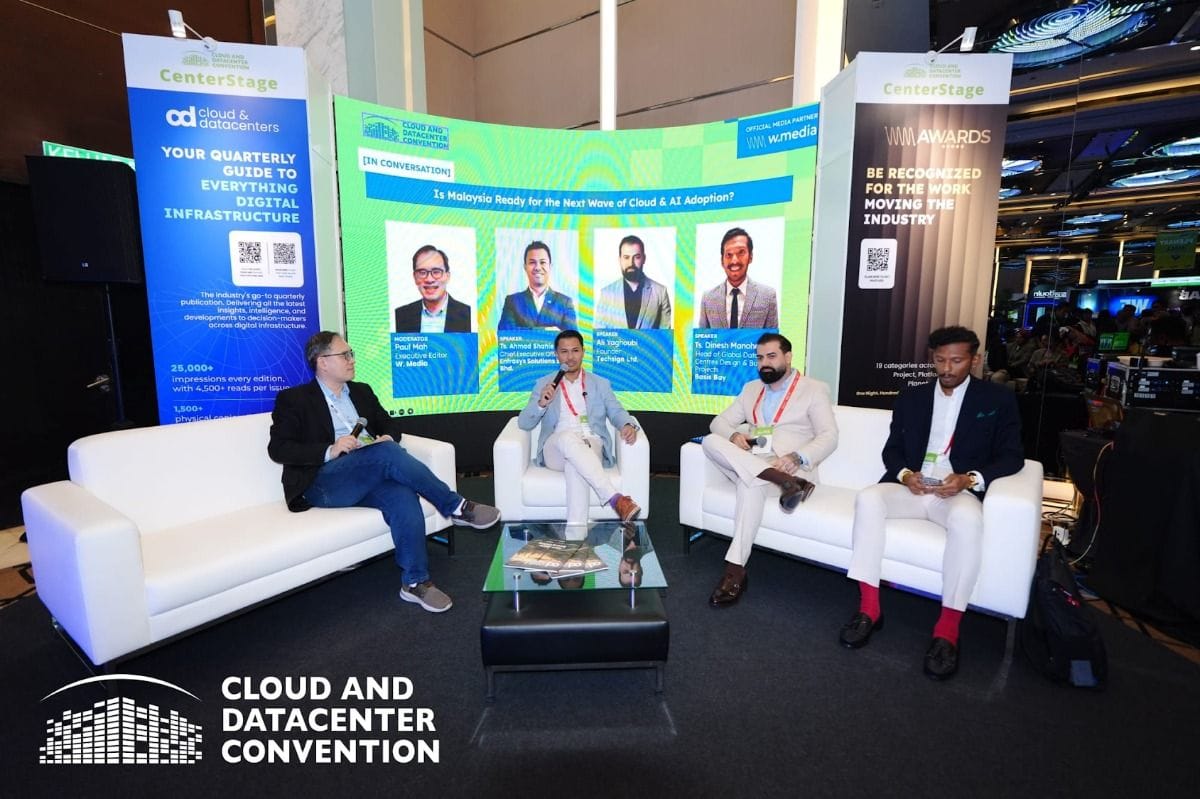
I moderated four panels this week, and hundreds over the last decade. Here's what I learned the hard way. I almost never talk about the discussions I moderate, but I figured today could be an exception.
First things first: I have no natural flair for speaking. I've simply had a lot of opportunities to practise, at roundtables and panel discussions alike. Here are three things about facilitating a good discussion that I wish someone had told me at the start.
Everyone has something to share
My firm belief is that everyone has something unique to share. The key to unlocking it is asking the right questions, which sometimes means first identifying their personal passions or area of expertise.
Some speakers will be nervous, and it's vital to put them at ease. It might be their first time on stage, or they might be relatively junior. We've all been there. Identify the issue, then address it quickly.
Recently, I told a nervous panel to bring their prepared notes along, but that it was perfectly fine not to refer to them. I didn't need eloquence from them, I said. They were there to share their expertise, and that was enough. Everything went great.
Every audience is different
I no longer go into a panel discussion with any preconceived notions. The reality is that every audience is different, so I can never take anything for granted.
Read the room first. Are people tired? Do they look bored? Are they actually paying attention?
I remember a discussion some years ago in a Sentosa hotel ballroom. Attendees had been worn down by a series of presentations before my panel, and it showed: people were folding their arms or slouching in their chairs.
So I cracked a joke instead. And just like that, the room thawed.
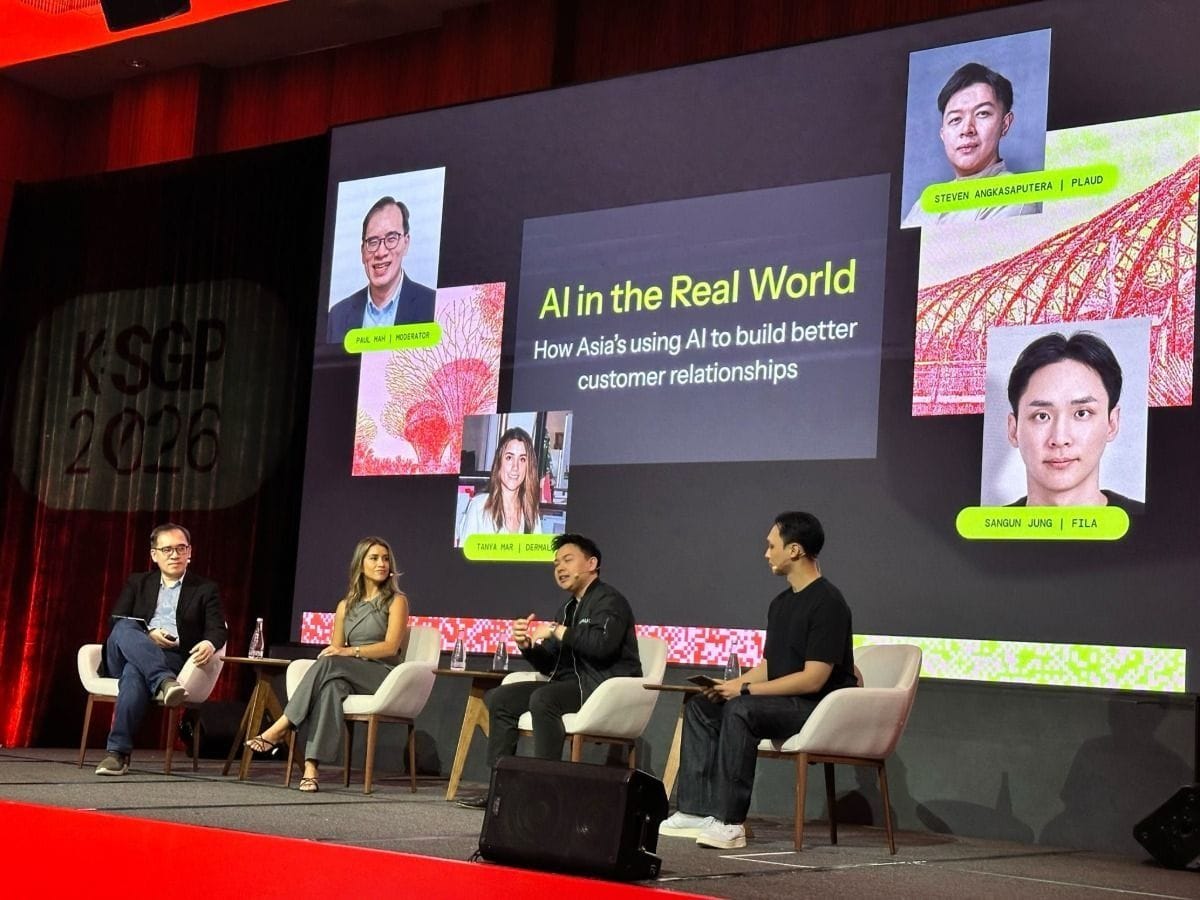
Tell a story
Finally, and probably the most important point I have to make: a well-moderated discussion isn't just a lineup of people taking turns to speak.
It is about telling a story, one stitched together in real time from what the panellists share. And like any good story, there should be a cadence, an ebb and flow, and even some tension to the telling.
You do it through affirmation, paraphrasing, further probes, and the occasional strategic interruption. Find the invisible thread running through the conversation, tease out additional insights, then stitch it all together and pull.
The most satisfying moment is when you end up with an unexpected narrative, made up of chapters that each panellist contributed.
It took me years to figure that out. Hopefully it takes you less.